 By
Finnish Lapland is the part of Finland that sits under the aurora oval, where the forests go quiet under snow and, on a clear night, the sky can turn green above your head. For a traveller from India, the first shock is the cold, the silence, and the feeling that the day has been folded into a few pale hours. Then you step outside, look up, and understand why people fly all this way.
I have just built an 8-day Finnish Lapland northern lights itinerary around Rovaniemi, Saariselka and Inari, and while researching it I kept a list of the places that genuinely deserve a spot on your Lapland wish list. So here are the top 10 places to visit in Finnish Lapland, counted down from No. 10 to the one place I would never let you miss, with the story behind each and small tips that actually help. For a closer look at two of the highlights, read my guides to Santa Claus Village in Rovaniemi and the northern lights in Finnish Lapland.
Top 10 places to visit in Finnish Lapland
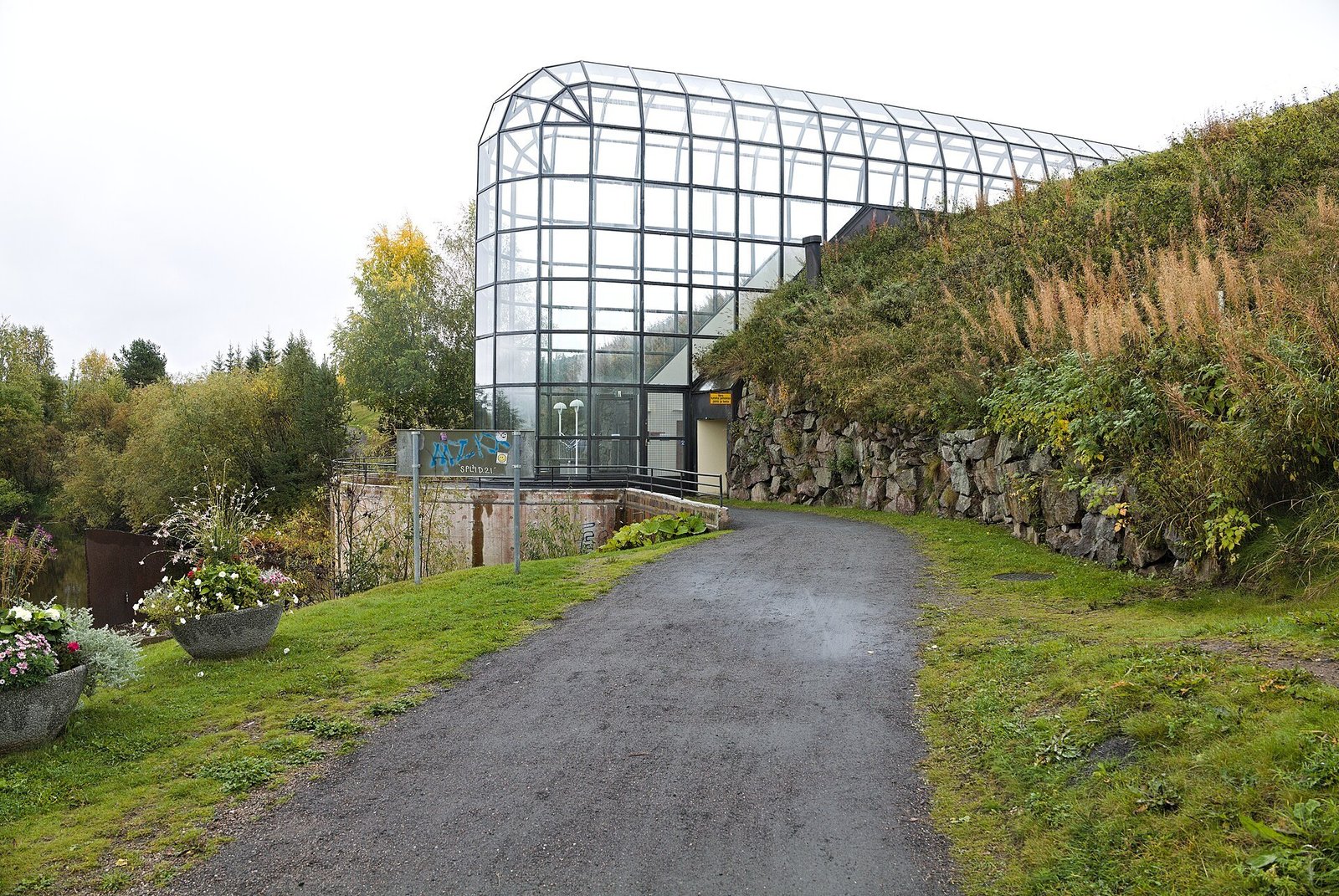
10. Arktikum, Rovaniemi: The Glass Tube That Points North
Rovaniemi is the capital of Finnish Lapland, sitting at the meeting of the Kemijoki and Ounasjoki rivers, close to the Arctic Circle. In 1944, during the Lapland War, around 90 percent of the town was destroyed as the German army retreated. After the war, Alvar Aalto drew his famous reindeer antler city plan, with the roads and parks spreading like antlers and the rivers shaping the head. You can still recognise that idea in the centre, where Aalto later designed the library, Lappia Hall and City Hall.
Arktikum is the museum I would go to first. It opened on 6 December 1992, Finland’s Independence Day, in a design by the Danish firm Birch-Bonderup and Thorup-Waade. From the river you see a long glass gallery, about 172 metres in all, pushing out of a grassy bank, while the exhibition rooms sit underground. Inside are the Provincial Museum of Lapland and the University of Lapland’s Arctic Centre, so the story runs from the people and history of this region, including the war that burned the town, to the climate and cultures of the wider Arctic. Give yourself a couple of quiet hours, then walk the river towards the Jatkankynttila, the Lumberjack’s Candle Bridge, if you want a simple view over the water. To get the location, click here.
9. Ranua Wildlife Park: Arctic Animals in a Snow Forest
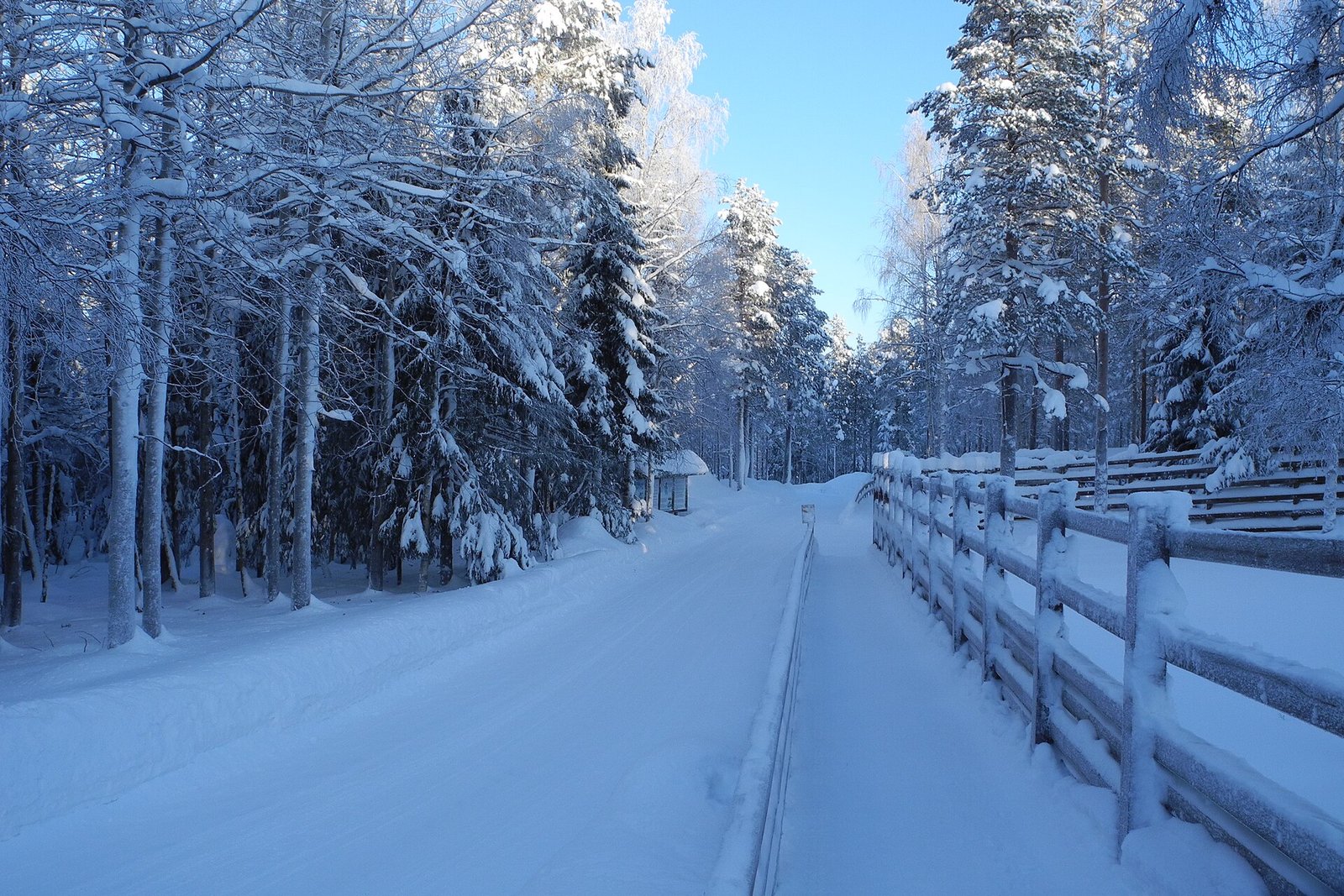
If you have come to Lapland hoping to see a polar bear, a wolverine or a lynx in the wild, you will most likely be disappointed. Those animals are shy and the forest is huge. Ranua Wildlife Park, south of Rovaniemi, is the honest answer: Finland’s northernmost zoo, with only Arctic and northern species, and a trail through the snowy woods past large forest enclosures rather than a row of concrete cages.
Among the animals here are polar bears, brown bears, wolverines, lynx, wolves, elk and musk oxen, along with owls and other northern birds. The park is open every day of the year, which matters in midwinter when you want a daytime plan that still feels like Lapland. Dress as if you will be outside the whole time, and go earlier in the day when the animals are often more active. To get the location, click here.
8. Kemi SnowCastle and the Icebreaker Sampo: Ice on the Coast
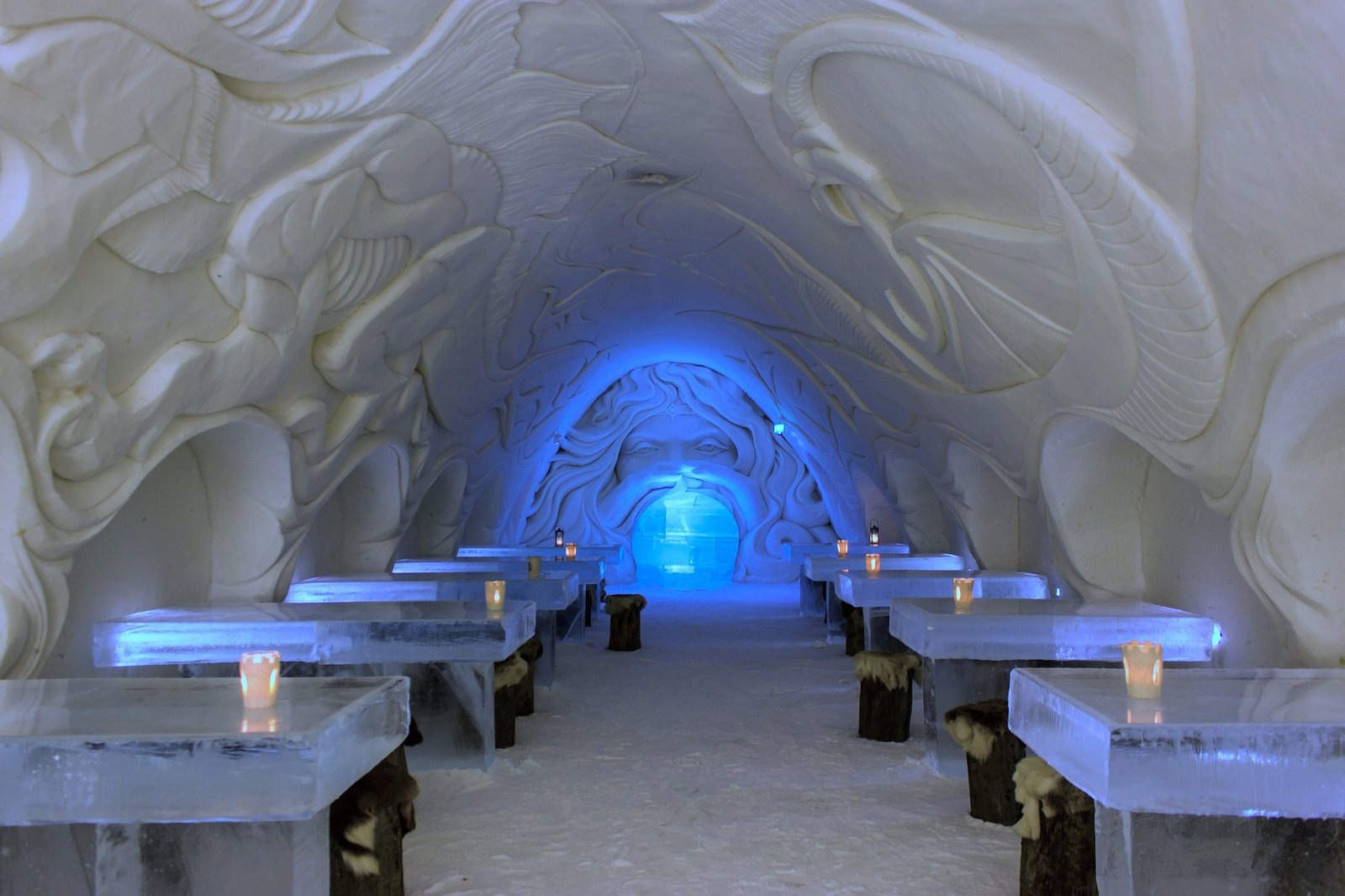
Most people picture Lapland as inland forest and fells, but the region also meets the sea at the Bay of Bothnia. Kemi, on that coast, is famous for a slightly mad idea: every winter the town builds a SnowCastle of snow and ice, with carved halls, an ice restaurant and, in some winters, rooms and a chapel. It is not a permanent building, so the sculptures you walk through this year will not be the ones in last year’s photographs, including the one above.
The other reason travellers come to Kemi in winter is the icebreaker Sampo, a former working ship that now takes visitors out onto the frozen bay. You watch it cut a path through the ice, and on many cruises you can float in the open channel in a survival suit if you want the shock of your life. Both the castle and the cruises are seasonal, so check the official pages for the year you are travelling before you build a day around them. To get the location, click here.
7. Levi: Finland’s Big Fell for Skiing and Winter Days
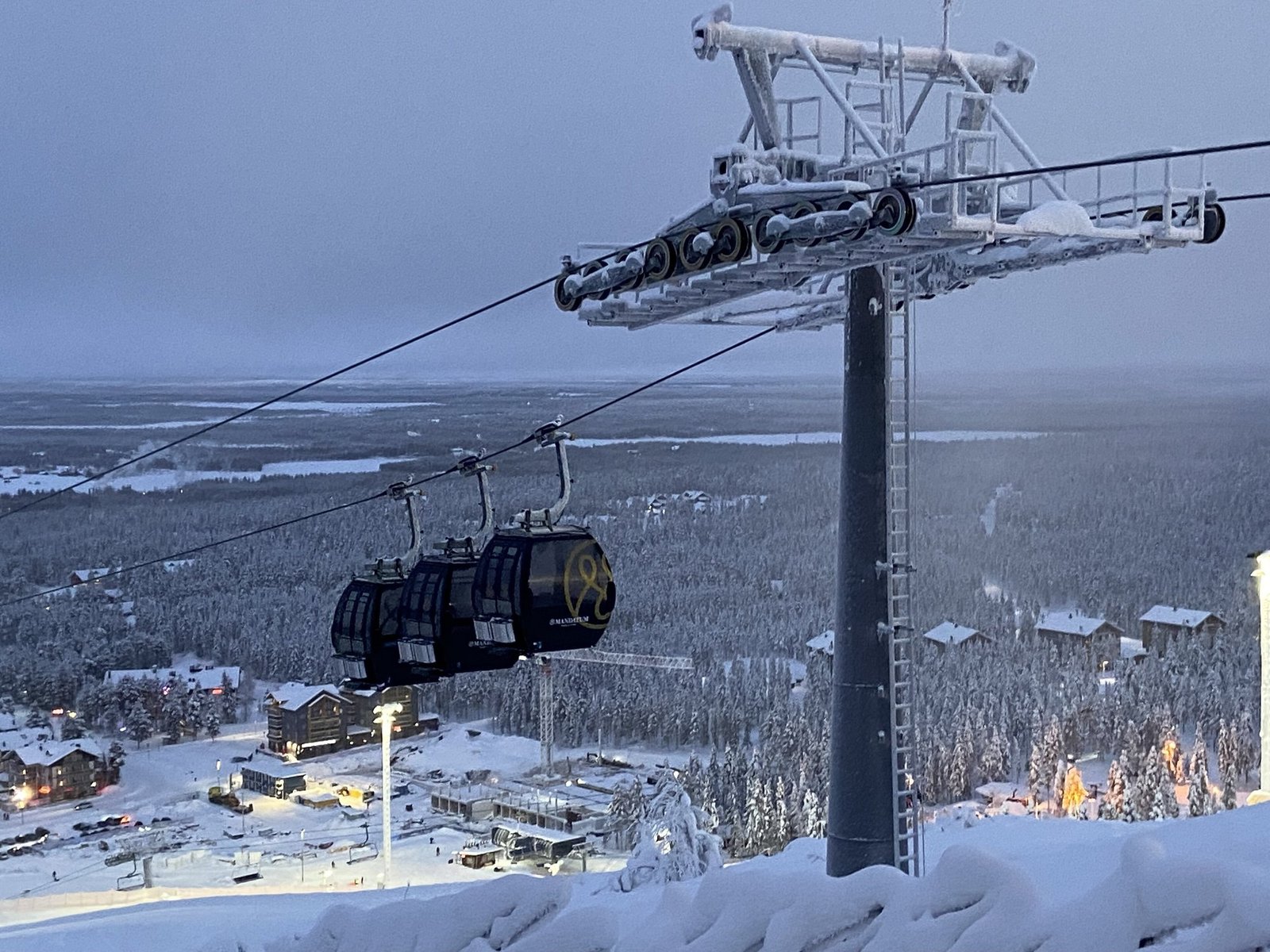
Levi, in the fells around the village of Sirkka in Kittila, is one of Finland’s biggest and liveliest ski resorts. If your Lapland dream includes proper slopes, a gondola and a view over a white forest that seems to go on forever, this is the place that delivers it. Even if you do not ski, the ride up the fell is worth it on a clear day, when the low winter light turns the snow-loaded trees, the ones Finns call tykky, pink and gold.
Levi is also a base for husky rides, snowmobiles, reindeer and, on dark nights, a look at the aurora away from the brightest lights. It has more restaurants and evening energy than the quieter villages further north, which some travellers love and others prefer to leave behind. Go for the fell and the snow, and treat the nightlife as optional. To get the location, click here.
6. Pyha-Luosto National Park and the Lampivaara Amethyst Mine
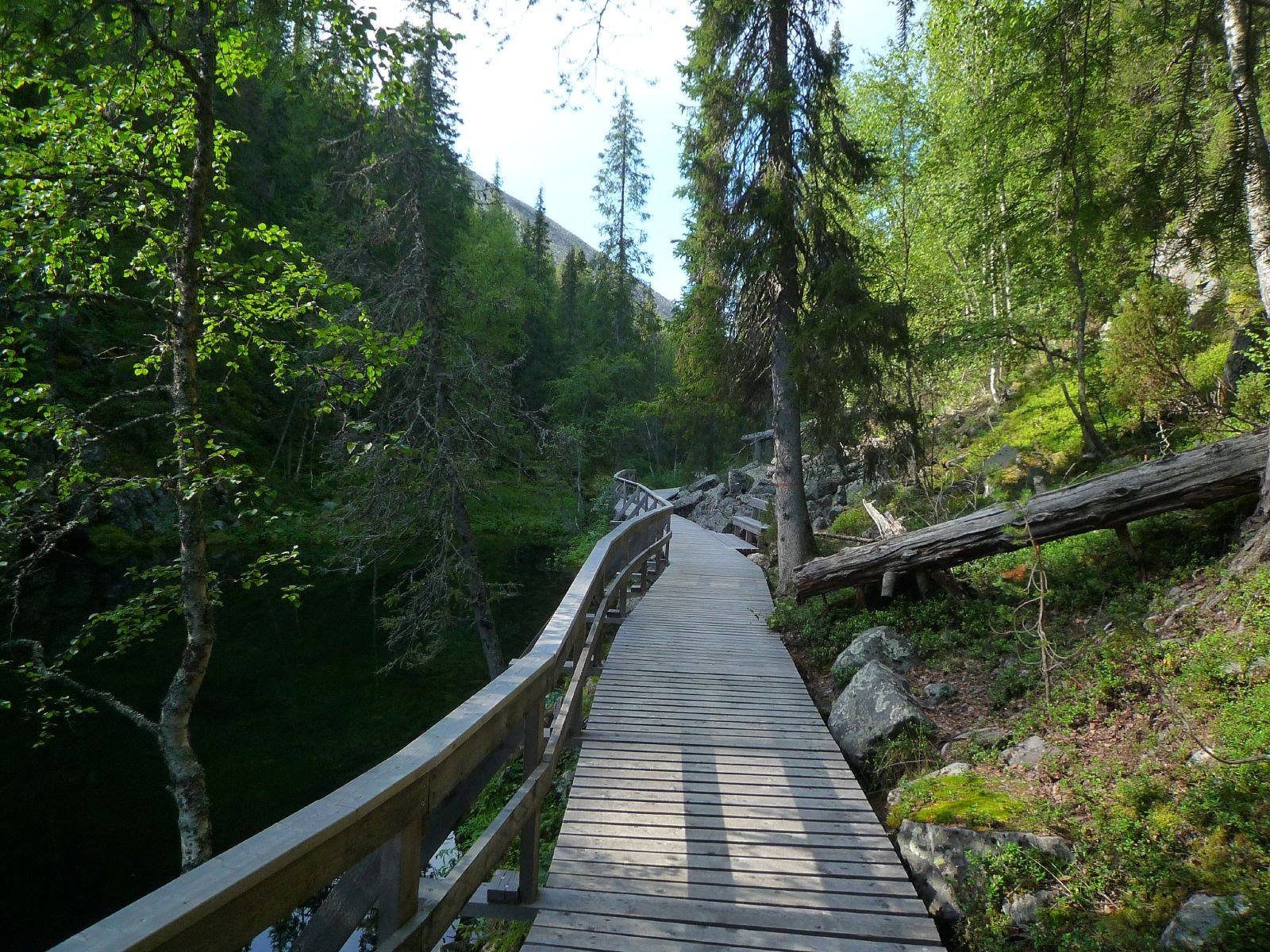
Between Rovaniemi and the far north, the twin fells of Pyha and Luosto hold a national park of old forests, gorges and marked trails. In summer the boardwalks and lakes feel almost gentle, as in the photograph above. In winter the same paths turn into ski and snowshoe country, and the fells stand white above the trees. It is a quieter kind of Lapland than Levi, and that is the point.
The surprise here is underground. Lampivaara, on the Luosto side, is home to what the mine itself calls Europe’s only working amethyst mine that you can visit. In the snow season there are guided trips up the fell to see the mine and, if you wish, look for a small amethyst under supervision. Opening periods change with the season, so check the official mine site before you go. The joy is standing inside a working fell mine in the middle of a national park. To get the location, click here.
5. Urho Kekkonen National Park and Kiilopaa: The Big Wilderness
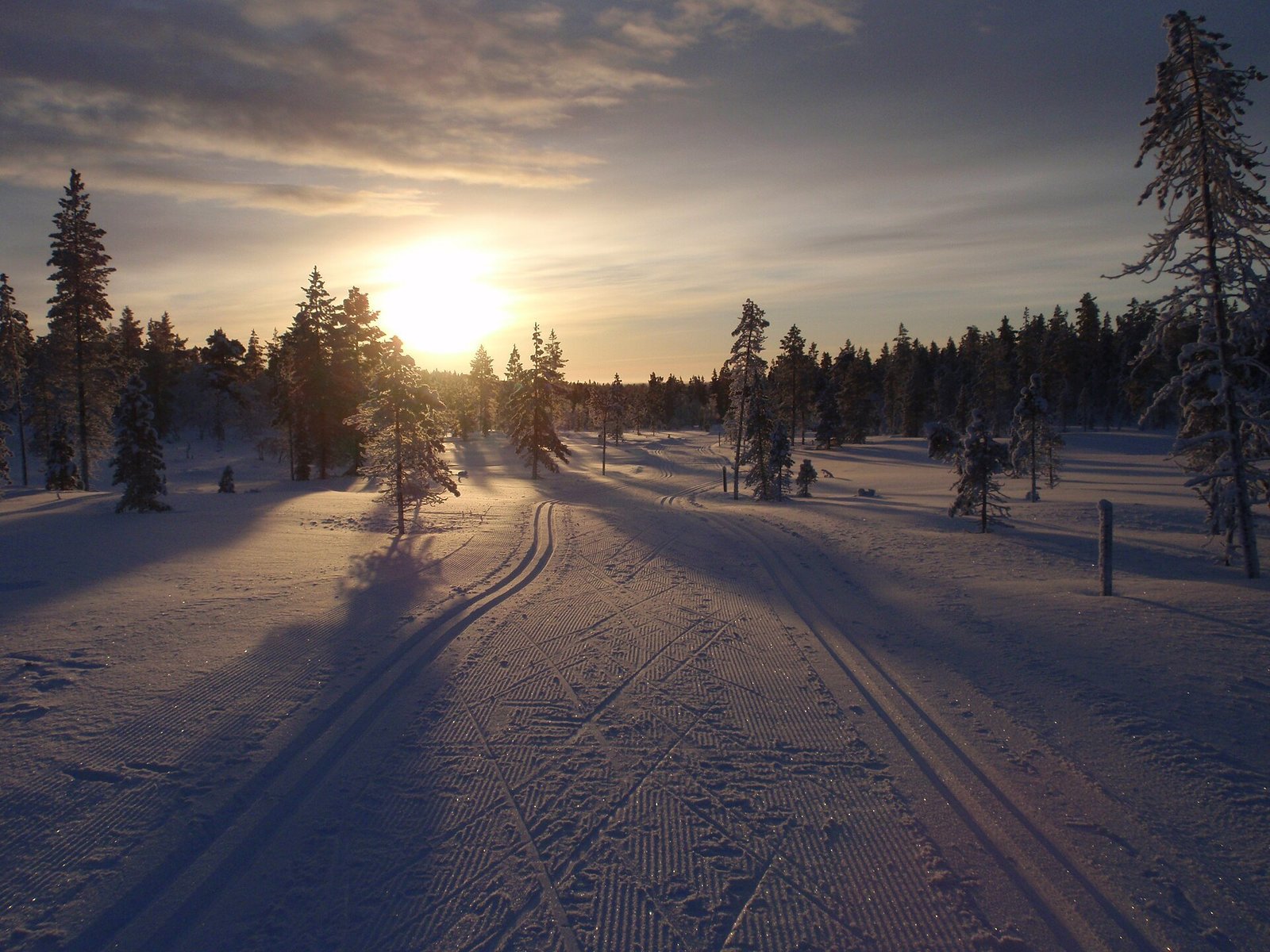
If you want to feel how large Finnish Lapland really is, come to Urho Kekkonen National Park. It was established in 1983 and named after the Finnish president who loved to ski in these fells. The park covers about 2,550 square kilometres of forest, river valleys and open fell, running east from the Saariselka area towards the Russian border. Reindeer still graze across it, and the marked trails at the edges are only a doorway into a much bigger wilderness.
Kiilopaa is one of the easiest starting points. A marked path climbs from a fell centre to the open top in a time that most reasonably fit walkers can manage, with a wide view over the park once you are up. In winter the same country is used for skiing and snowshoeing, and a wood-heated smoke sauna at the end of a cold day is as Finnish a reward as you will find. Stay on marked winter routes, dress for a wind that feels colder than the number on your phone, and do not wander off into the park without a plan. To get the location, click here.
4. Santa Claus Village and the Arctic Circle, Rovaniemi
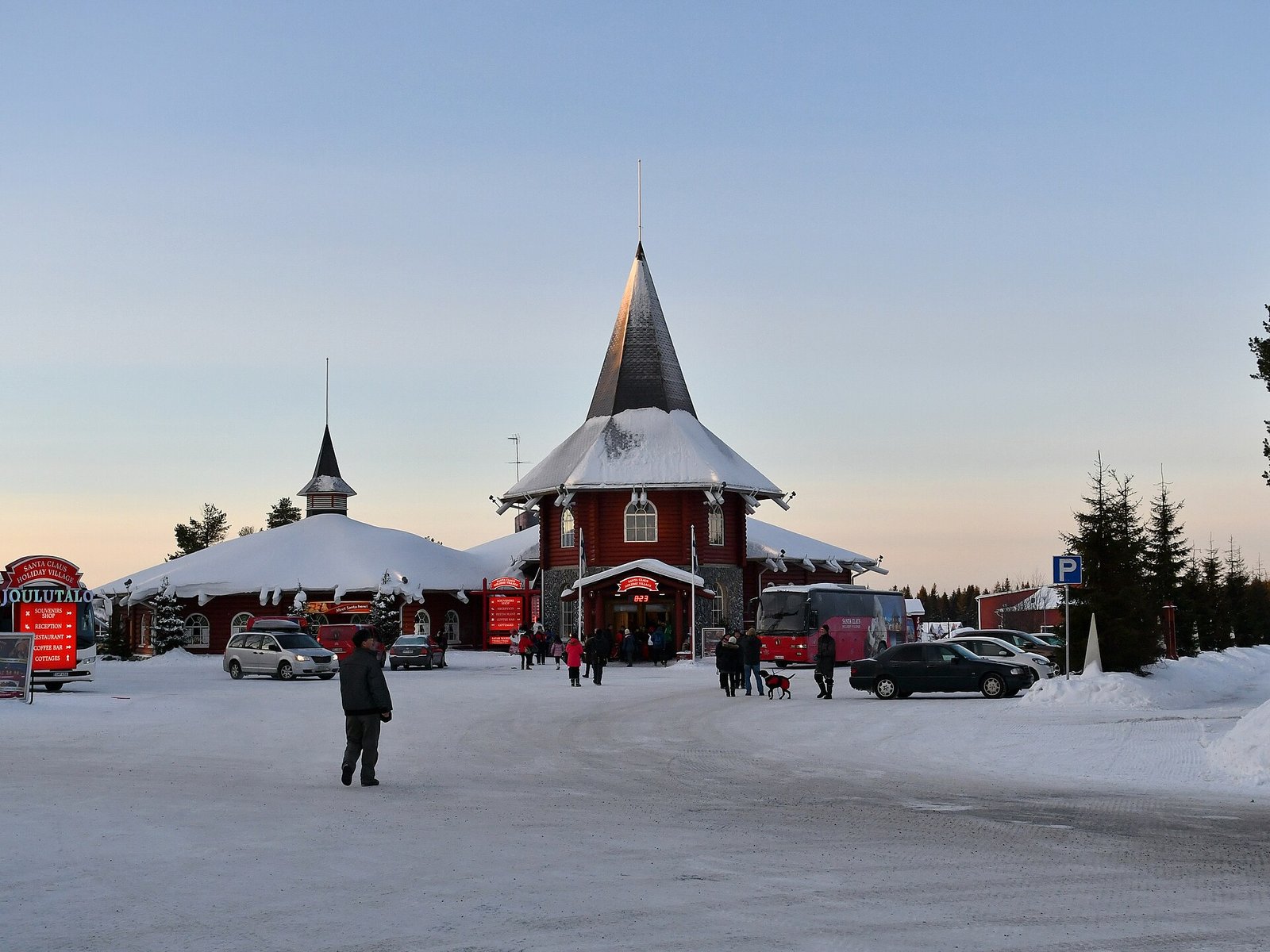
Yes, it is touristy. Yes, you should still go. Santa Claus Village sits about 8 km north of central Rovaniemi, right on the Arctic Circle, and Rovaniemi has been the Official Hometown of Santa Claus since 2010. The village is open every day of the year, there is no entrance fee to walk around, and meeting Santa in the Santa Claus Office is free, though a photo package is a separate paid choice if you want one.
The Arctic Circle line is painted across the main square, so you can step from one side of the line to the other and make a fuss of it, which I would. The Santa Claus Main Post Office, part of Finland’s official postal service, will stamp your cards with a special Arctic Circle postmark, and Santa receives around 500,000 letters a year here. The oldest building on the site is the Roosevelt Cottage, put up in two hurried weeks in 1950 for Eleanor Roosevelt’s visit, long before this became a Christmas town. In winter a seasonal snow-and-ice park called Snowman World usually opens beside the village as well. I have written a full story of the place in my Santa Claus Village Rovaniemi guide. To get the location, click here.
3. Inari, Siida and Lake Inari: The Heart of Sami Culture
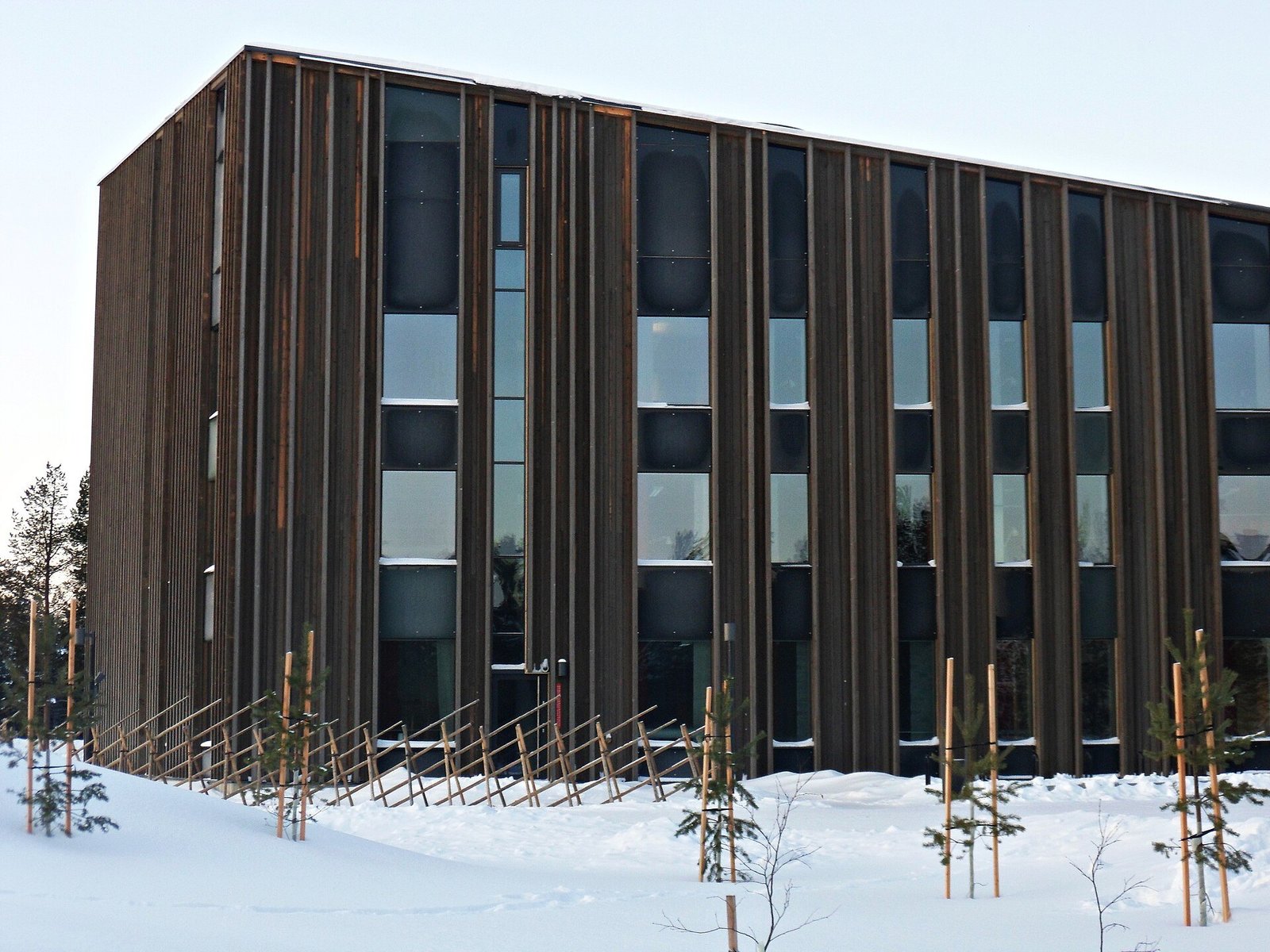
Inari, in the far north of Finnish Lapland, is not a theme park version of the Arctic. It is a lakeside village and a living centre of Sami culture, the culture of the Indigenous people of Sapmi, the region that stretches across northern Norway, Sweden, Finland and into Russia. The building in the photograph is Sajos, the Sami Cultural Centre and the home of the Sami Parliament of Finland. The public lobby is free to visit, and a short guided tour, when it is running, explains the building and the Parliament’s work.
A short walk away is Siida, the Sami Museum and Nature Centre, which tells the story of Sami life and northern nature together. After a major renovation and expansion, the renewed building and new main exhibition opened on 1 June 2022. Beside the village lies Lake Inari, Finland’s third-largest lake, with thousands of islands. In winter it freezes into a white plain; in summer it is a wilderness of water and rocky shores. Ukonsaari, a small rocky island, is a traditional Sami sacred site and should be treated with respect, not as a backdrop for a photoshoot. If you visit a reindeer herder, go with a Sami-run visit, listen more than you talk, and remember you are a guest in someone’s working life. To get the location, click here.
2. Saariselka, Kaunispaa and Sleeping Under Glass
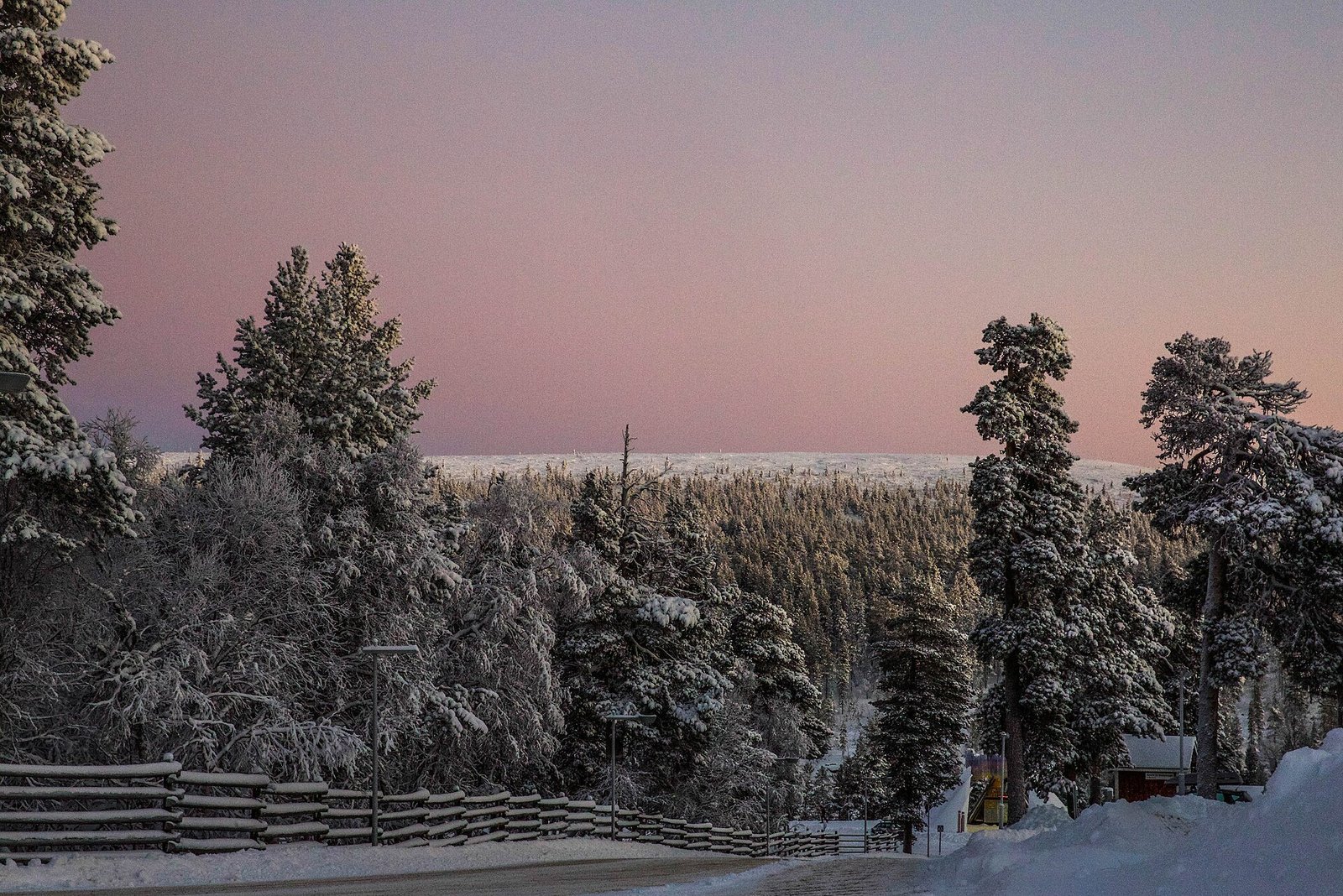
Saariselka is a compact fell village in Inari municipality, and it is one of the best bases in Finland if the night sky is the main reason you came. It sits far enough north for long, dark winters, far enough from city glow for a proper look at the stars, and right on the edge of Urho Kekkonen National Park. Above the village rises Kaunispaa, a fell you can reach for a wide view over the snowy forest. The pink winter twilight in the photograph is the kind of light you get when the sun stays low, or, further into midwinter, when it barely rises at all.
What made Saariselka famous to the rest of the world is the idea of sleeping under glass. Glass igloo resorts around Saariselka now offer glass-roof cabins and igloos designed so you can watch the aurora from bed. They are not a guarantee. Clouds do not care that you paid for a glass roof. But on a clear night, not having to stand in -20 C for three hours is a gift, especially with children or parents. Use Saariselka for the fells by day and the sky by night, and read my northern lights in Finnish Lapland guide before you start checking the forecast every ten minutes. To get the location, click here.
1. The Northern Lights: The Reason You Look Up
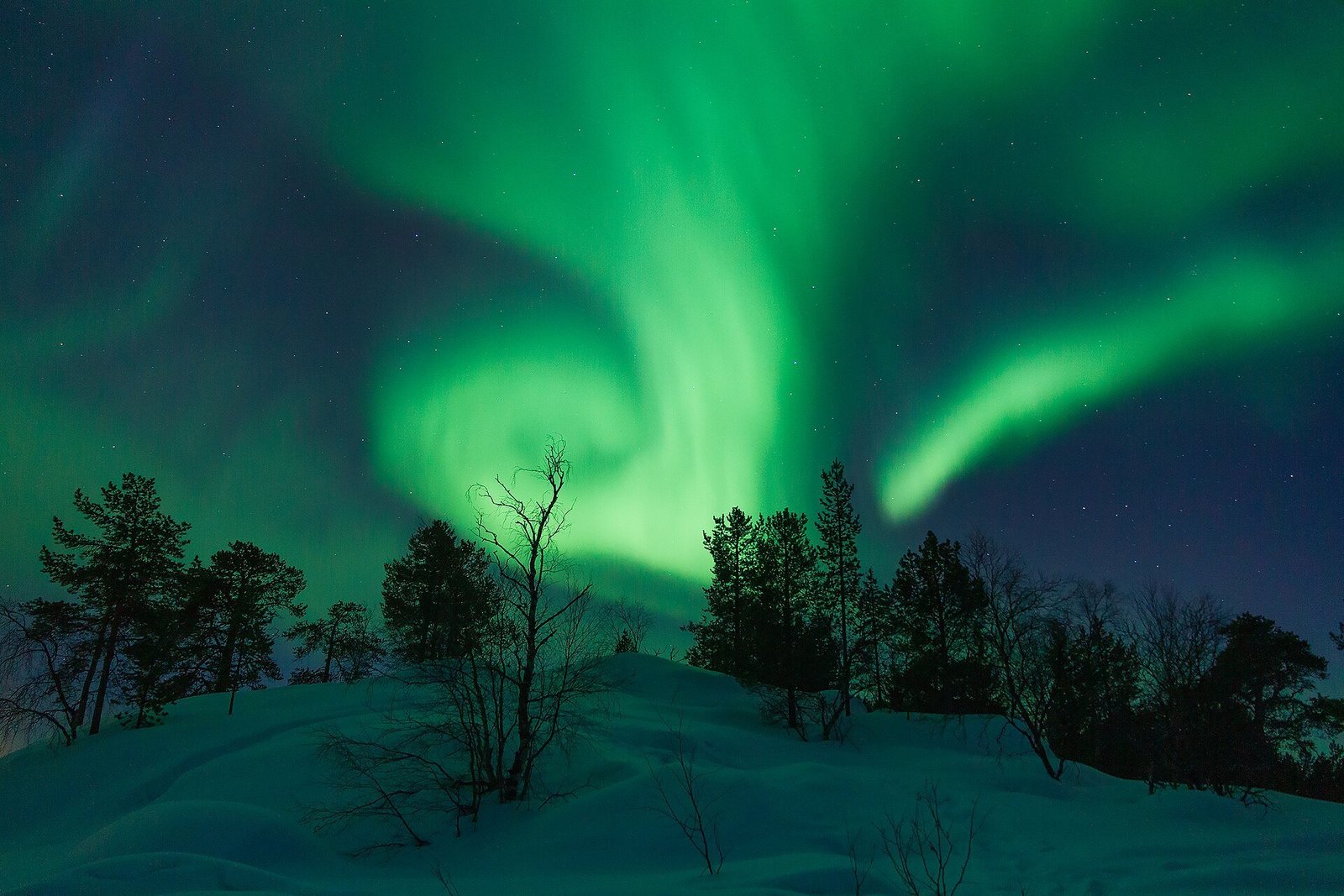
If I could take you to only one “place” in Finnish Lapland, it would not be a building. It would be a dark, clear night, somewhere with an open view of the sky, and the patience to wait. The northern lights, or aurora borealis, happen when charged particles from the Sun hit the Earth’s atmosphere and make oxygen and nitrogen glow. Green is the colour you will usually see. Pink, violet and red appear when the display is stronger, or higher up. A show can last a few minutes or a few hours, and it can be a faint smudge or a curtain that moves so fast you forget to take a photograph.
Visit Finland puts the aurora season from late August to early April, once the nights are dark enough. Around the equinoxes, in September to October and February to March, geomagnetic activity is often higher, while midwinter gives you the longest dark hours, especially further north. The Finnish Meteorological Institute says that on a dark, cloudless night the chance of auroras is about 50 percent at Lapland ski areas such as Levi and Saariselka, and about 75 percent in the far north around Kilpisjarvi. Those are odds, not a promise. I have put the full story and the watching tips in my northern lights in Finnish Lapland guide. To look at the region on a map, click here.
Best time to visit Finnish Lapland
It depends on what you want. For snow, huskies, reindeer, ice hotels and a real chance of the northern lights, winter is the season, roughly from late November into March or early April. December is the most popular month, which means more Christmas atmosphere at Santa Claus Village and also more crowds. February and March often bring colder, clearer nights and a little more daylight than deep midwinter, which is why many aurora travellers like them. September and October can be excellent for the lights, with autumn colours called ruska, but you may have little or no snow. Summer has the midnight sun, hiking and empty trails, and almost no aurora, because the sky never gets dark enough. Rovaniemi itself does not have a true polar night; the sun still rises even on the shortest day, though only for a couple of hours. Further north, around Saariselka and Inari, the sun stays below the horizon for a stretch of midwinter, but midday is still a long blue twilight, not pitch black.
A few Finnish Lapland tips before you go
The cold is the thing Indian travellers underestimate. In midwinter the temperature can sit at -15 C or drop towards -30 C, and wind makes it feel harsher. Dress in layers: a thermal base, a fleece or wool mid-layer, and a windproof outer layer, with proper winter boots, a warm hat, a neck warmer and mittens over thin gloves. If you stand still for a long aurora watch, you will get colder than you did on a walk, so carry an extra layer and keep your phone and power bank inside your jacket, because batteries die fast in the cold. Indian passport holders need a Schengen short-stay visa for Finland, usually applied for through VFS; check the official pages, because the rules change. The currency is the euro, cards are widely used, and English is spoken in most tourist places. Food leans towards fish, reindeer, potatoes, rye bread and berries, and vegetarian or Indian food is easier in Rovaniemi than in small northern villages, so ask ahead if that matters to you. The Finnish sauna is part of everyday life, and in 2020 UNESCO added it to its list of intangible cultural heritage. If someone offers you a smoke sauna and a dip in a hole in the ice, you do not have to say yes, but you should at least consider it.
FAQ
- Is Finnish Lapland worth visiting in winter?
Yes, if you are ready for the cold. Winter is when the snow, the ice, the husky and reindeer rides and the long dark nights all come together, and it is the season most travellers come for the northern lights.
- Can you see the northern lights in Rovaniemi?
Yes. Rovaniemi is far enough north to see the aurora on a clear, dark night, though city lights and clouds get in the way. Your odds are generally better further north, around places like Saariselka and Inari, and away from the brightest streets.
- Do I need to go to Santa Claus Village if I do not have children?
No, but I would still go. The Arctic Circle line, the Roosevelt Cottage and the official post office are good stories even if you skip the queue for a photograph with Santa. Families will want longer there; couples can keep it to a focused visit.
- Is Finnish Lapland safe for Indian travellers?
Yes. Finland is generally a calm, well-organised country, and tourist areas in Lapland are used to visitors. The real risks are the cold, icy paths and winter driving, not street crime. Take the weather seriously and you will be fine.
- Do Indian travellers need a visa for Finland?
Yes. Indian passport holders need a Schengen short-stay visa. Apply through the official Finland visa process, usually via VFS, and check the latest documents and appointment rules rather than trusting an old blog post.
- How many days do you need in Finnish Lapland?
A long weekend only in Rovaniemi can cover Santa Claus Village and a couple of activities, but it leaves the aurora to a night or two of luck. A week or a little more gives you time around Saariselka and Inari as well, and more dark nights to wait for a clear sky.
- Will I definitely see the northern lights?
No. Nobody can promise that. You can choose the right season, a dark place and several nights, and still get cloud. That is why a longer stay, and a base with a darker sky, is worth more than one packed “aurora night”.
Final Thoughts
Finnish Lapland is not just Santa and a photograph of green lights. It is a rebuilt town with a glass museum pointing north, a Sami parliament on a frozen lake, a fell you can climb at dusk and a coastline that builds a castle out of ice every winter. If you ask me, put the northern lights first, then give yourself time in Inari and Saariselka instead of doing everything as a day trip from Rovaniemi. Which one is on top of your list, the aurora or crossing the Arctic Circle? Tell me in the comments. And if you are collecting trips that feel completely different from this one, read my top 10 places to visit in Japan, my top 10 places to visit in the Maldives, or, for a warmer plan closer to home, my Udaipur for couples plan.
If the northern lights, Santa Claus Village, Saariselka and Inari are what made you want to start packing, I have already done the planning in my 8-day Finnish Lapland northern lights itinerary. You can just use it for the days you have, book from its links and go, with no planning worries. If you want a custom version for your own dates, CLICK HERE to start on the trip form.
I plan the route. I don’t book the ferry, the stay, or the tickets. A custom plan is Rs. 200 per travel day. Fill the trip form, pay online, and I’ll send you the plan.