 By
Everyone knows the Maldives from one photo: a wooden villa on stilts over a blue-green lagoon. That photo is real, but it is only the cover. Under the water the country is a whole other world, with whale sharks, mantas and reef sharks, and above it there are local islands with farms, a capital squeezed onto one small island and atolls in the far south that most visitors never hear of.
I have just built a 5-day Maldives honeymoon itinerary, and while researching it I kept a list of the places that genuinely deserve a spot on your Maldives wish list. So here are the top 10 places to visit in the Maldives, counted down from No. 10 to the one place I would never let you miss, with the story behind each and small tips that actually help.
Top 10 places to visit in the Maldives
10. Male: The Tiny, Busy Capital and Its Coral Stone Mosque
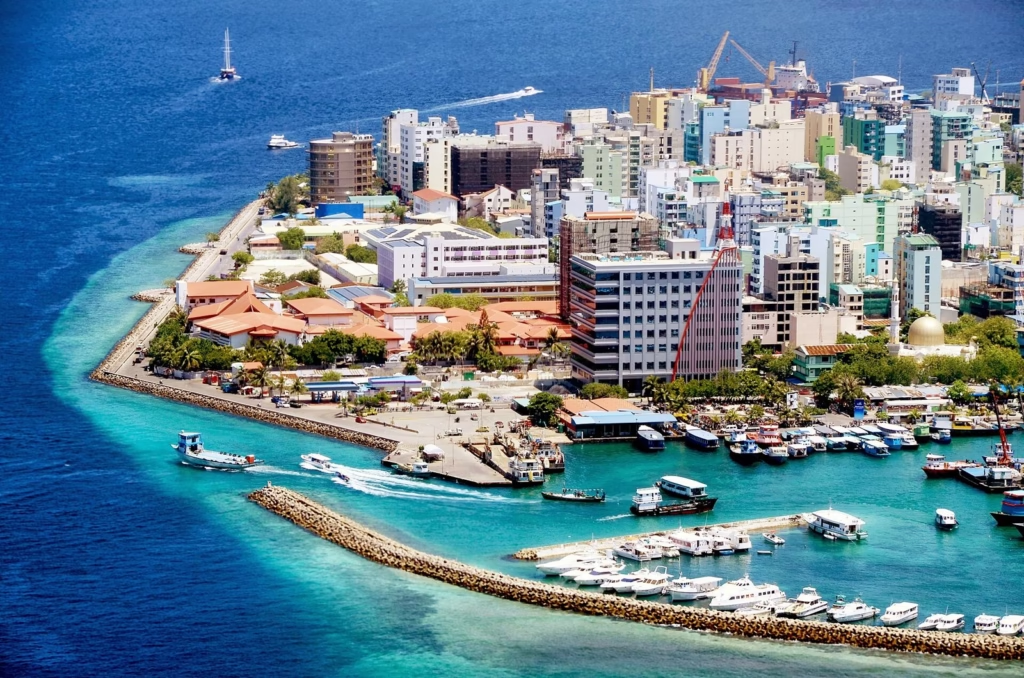
Male is the capital, and it is the opposite of the quiet resort picture: a small island packed edge to edge with colourful buildings, scooters, cafes and harbours, and one of the most densely populated cities in the world. Most travellers only pass through the airport island next door, but a few hours in Male show you how Maldivians actually live.
The heart of old Male is the Hukuru Miskiy, the Friday Mosque, completed in 1658 under Sultan Ibrahim Iskandar I. Its walls are made of interlocking coral stone blocks covered in fine carvings, and the round minaret beside it was added in 1675. It is a working mosque, so dress modestly, check whether visitors are allowed in at that hour and never enter during prayer time. Then walk down to the waterfront fish market to watch the day’s tuna being handled, and if you like history, the National Museum is worth an hour. To get the location, click here.
9. Banana Reef, North Male Atoll: Where Maldives Diving Began
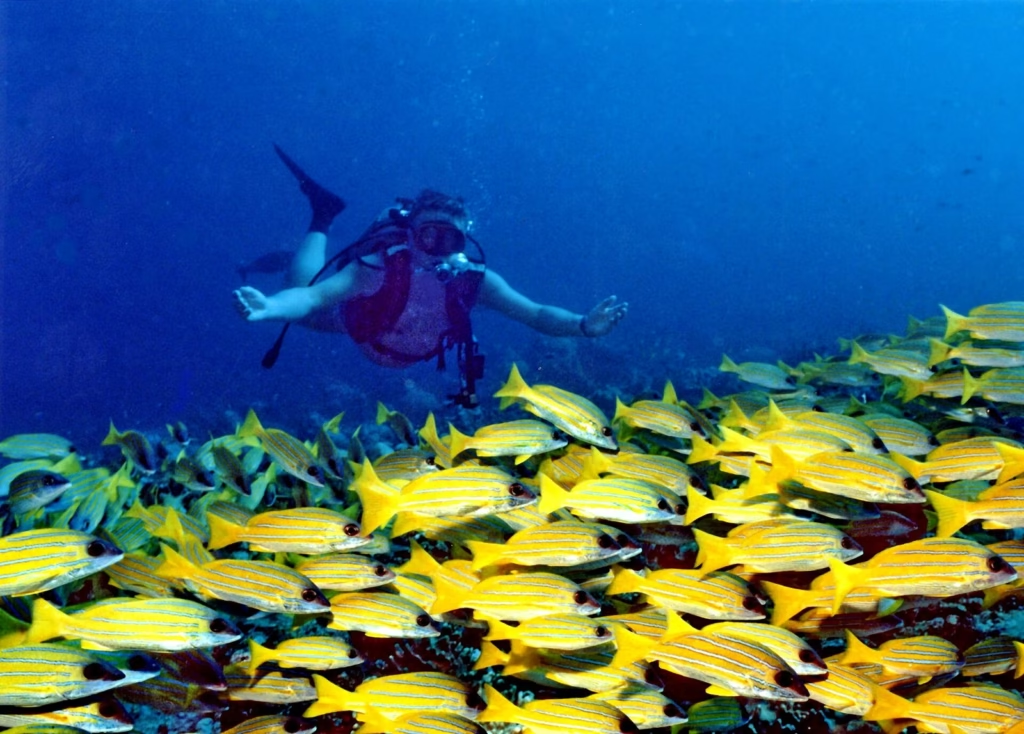
Banana Reef, officially Gaathugiri, is a curved reef in North Male Atoll that got its nickname from its shape. It was one of the first dive sites in the Maldives to win a big name with divers, and it was declared a protected marine area in 1995. Divers love it for its cliffs, overhangs and caves, and for the huge schools of snappers that hang around the reef like a yellow cloud.
Because it sits close to the airport and the capital, it is one of the easiest well-known reefs to reach from the resorts and islands nearby. Currents can be strong on the outer side, so go with a local dive centre that knows the site, and keep your hands and fins off the coral. To get the location, click here.
8. Thoddoo: A Local Island of Watermelon Farms and Old Buddhist Ruins
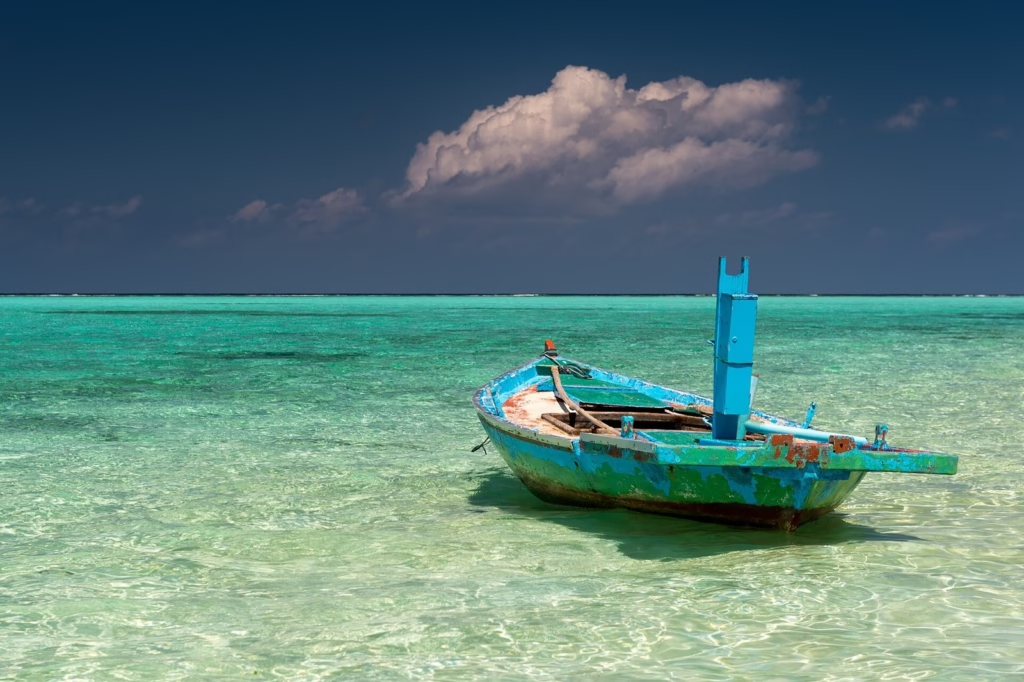
Thoddoo is a local island in Alif Alif Atoll, and it is famous for something you would never expect in the Maldives: farms. It is the country’s biggest watermelon producer, and its fields and papaya plots feed Male, especially during Ramadan. Walk between the farms and then end up on a white beach with water so clear the boats look like they are floating on air.
Thoddoo also has a much older story. In 1959 an excavation here uncovered the remains of a Buddhist stupa and a carefully buried Buddha statue, from the centuries before the Maldives became Muslim. The statue was later destroyed, but its head is kept in the National Museum in Male. On local islands like this, dress modestly in the village, swim in a bikini only on the marked tourist beach, and remember that alcohol is not served on local islands. To get the location, click here.
7. Addu Atoll: The Far South, Across the Equator
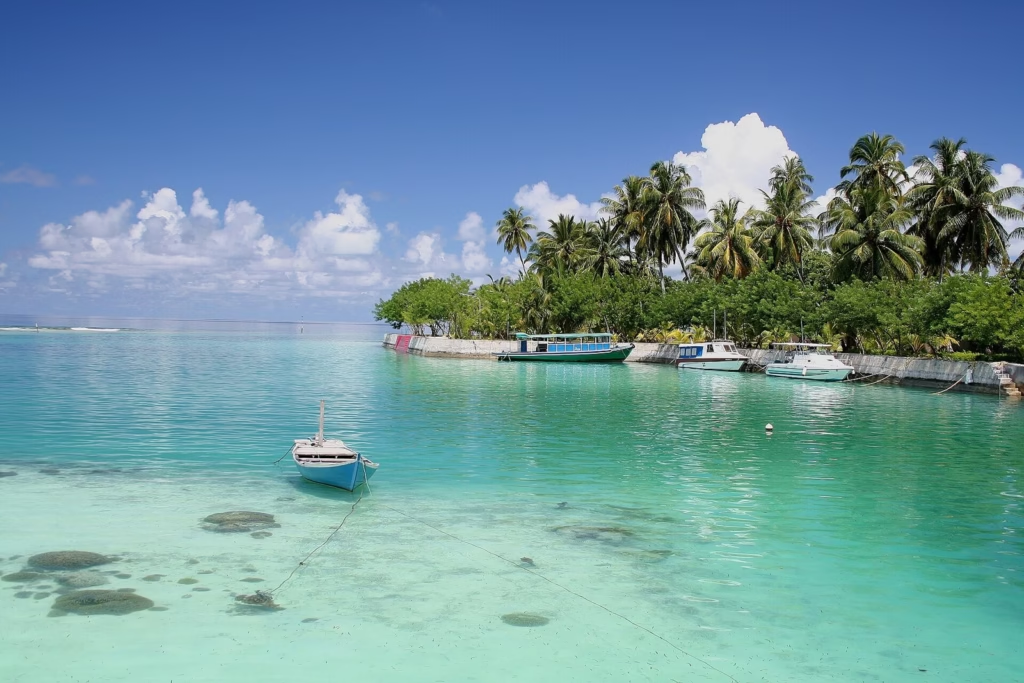
Addu is the southernmost atoll of the Maldives and sits just south of the equator, which is a fun fact to drop over dinner. It feels different from the resort atolls: several of its islands are joined by a long causeway road, so you can actually cycle or drive between villages, mangroves and beaches. In 2020 UNESCO named Addu Atoll a biosphere reserve for its reefs, wetlands and birdlife.
History lovers get a surprise here too. Gan, in Addu, was a British base in the Second World War and later RAF Gan from 1957 until 1976, and its old airfield is now Gan International Airport. In the lagoon lies the British Loyalty, an oil tanker that was torpedoed by a German submarine in 1944 and scuttled in 1946, now a well-known wreck dive. For nature, the Eedhigali Kilhi wetland on Hithadhoo is a peaceful place for mangroves and birds. To get the location, click here.
6. Fuvahmulah: The One-Island Atoll of Tiger Sharks
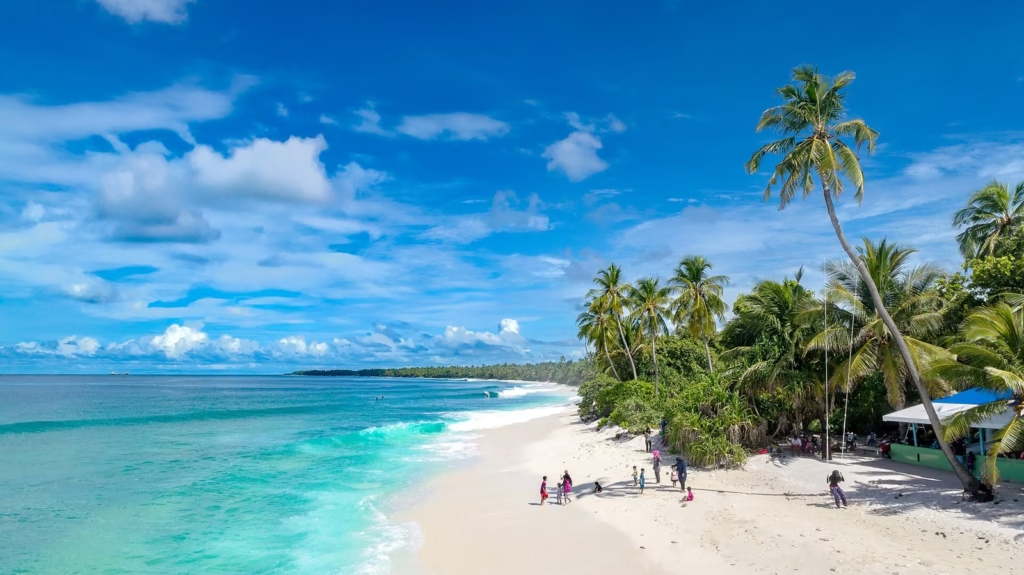
Fuvahmulah is a single island that counts as an atoll all on its own, the only one like it in the Maldives, and UNESCO made it a biosphere reserve in 2020. There is no calm lagoon around it, so the open ocean crashes straight onto the reef, and that wild water is exactly what draws divers. Fuvahmulah has the world’s largest known aggregation of tiger sharks, and the females are seen here all year, along with thresher sharks, oceanic mantas and other big fish.
Above water, look for Thoondu, a beach at the northern tip covered in small, glossy pebbles you will not find anywhere else in the Maldives, and the inland lakes and wetlands, called kilhi, in the middle of the island, which are rare in a coral country. Tiger shark dives are for experienced divers only, so choose a dive centre with a proper safety briefing and follow the guide. To get the location, click here.
5. Vaavu Atoll: Nurse Sharks at Night and Wild Channels
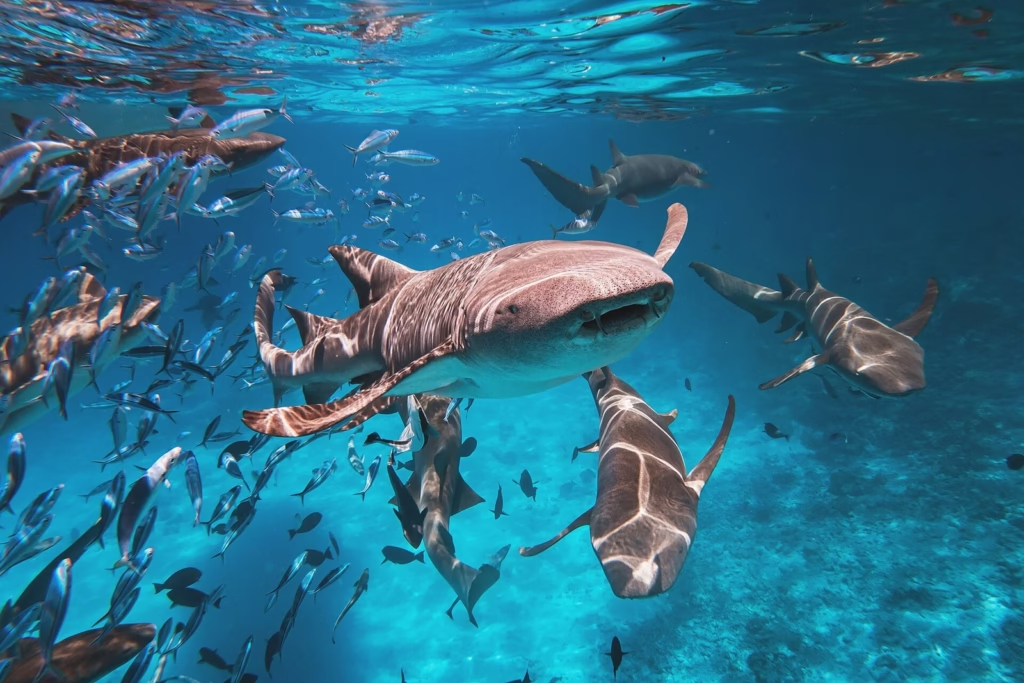
Vaavu is a small, laid-back atoll south of Male, and it is home to one of the most unusual shows in the Maldives. After sunset, dozens of tawny nurse sharks gather in the shallow water around the jetty at Alimatha, along with stingrays and trevally. Nurse sharks are slow and calm, and watching them glide over the sand in torchlight is both thrilling and oddly peaceful.
Divers also know Vaavu for Fotteyo Kandu, a channel on the atoll’s eastern edge with caves, overhangs, soft corals and frequent reef sharks, though the currents there are strong and it suits experienced divers. Whatever you do, never feed or touch the sharks, and keep your torch out of their eyes. To get the location, click here.
4. Maaya Thila, North Ari: The Famous Shark Night Dive
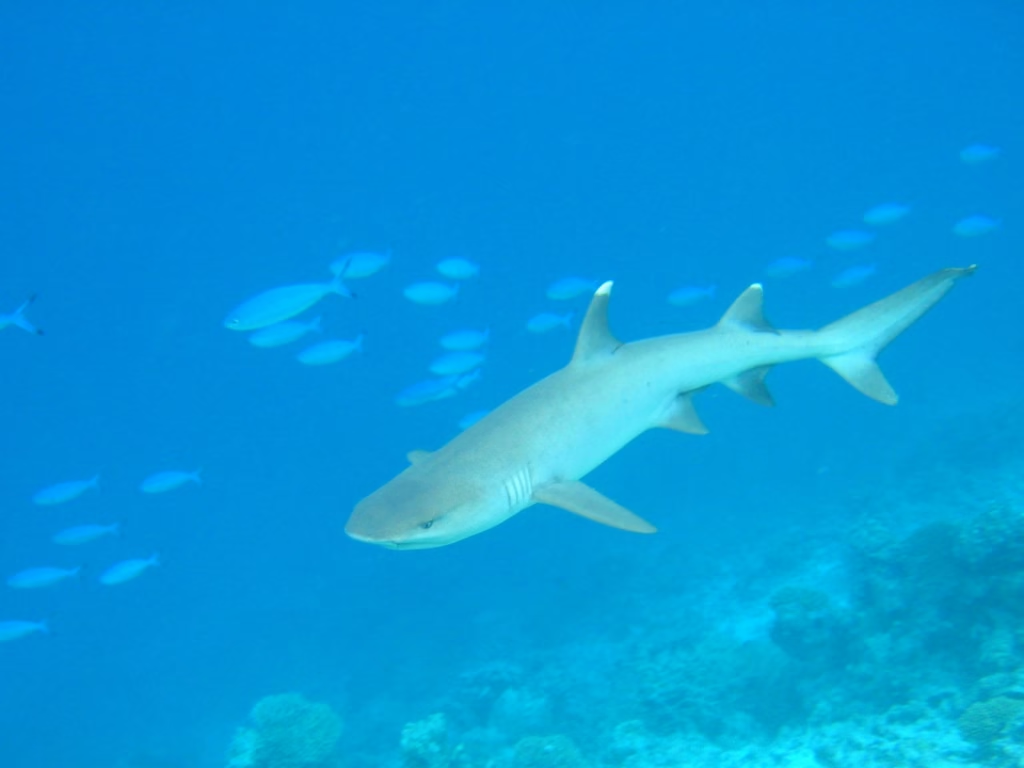
Maaya Thila is a small round pinnacle in North Ari Atoll, its top sitting a few metres under the surface, and it has been a protected marine area since 1995. Thila is the Maldivian word for an underwater reef that does not reach the surface, and this one is probably the best known in the country.
By day you will see turtles, moray eels and reef fish all over the pinnacle, but Maaya Thila made its name with its night dive, when whitetip reef sharks hunt actively across the reef top. It is an unforgettable dive, but go only if you are comfortable diving in the dark with some current, stay close to your guide and leave the reef untouched. To get the location, click here.
3. Ithaa Undersea Restaurant, Rangali Island: Dinner Under the Sea
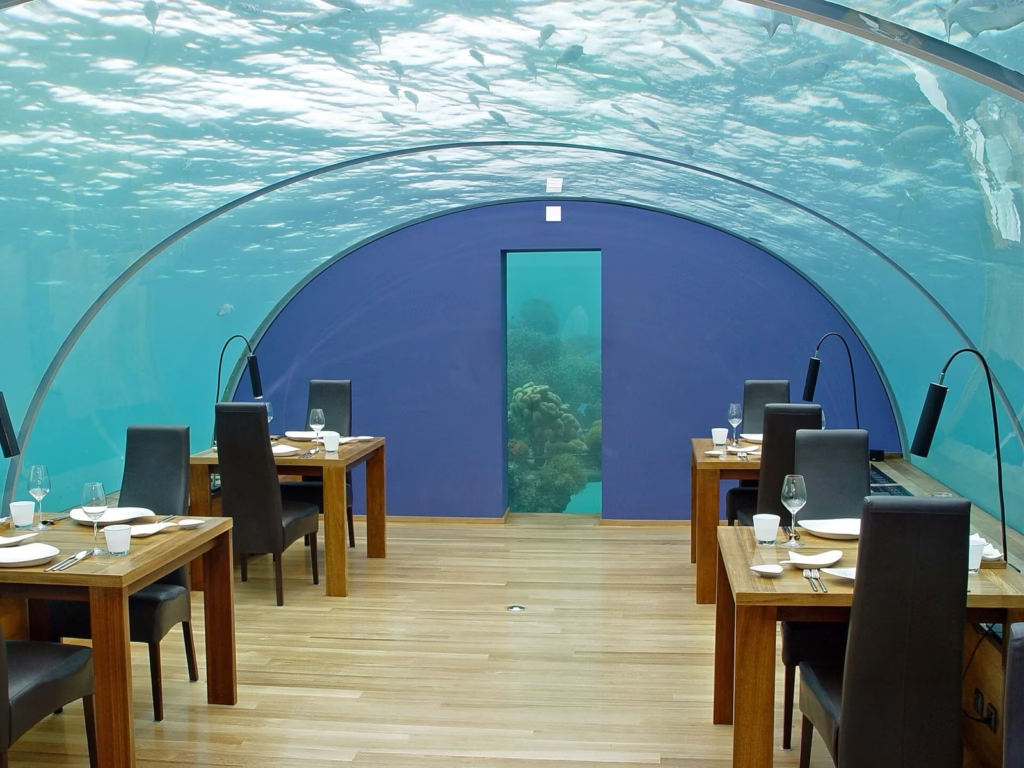
Ithaa, which means mother of pearl in Dhivehi, opened in April 2005 at what is now Conrad Maldives Rangali Island in South Ari Atoll, and it was described as the world’s first all-glass undersea restaurant. It sits about 5 metres below the surface, seats just 14 people and is wrapped in curved clear acrylic that gives a 270-degree view of the reef around it.
Sitting inside is a surreal and beautiful feeling: fish, rays and sometimes reef sharks drift over your head while you are dry and comfortable in a quiet room. Most couples save it for one big evening of the trip, and with only 14 seats it always feels private, which is a big part of its charm. To get the location, click here.
2. Hanifaru Bay, Baa Atoll: The Great Manta Gathering
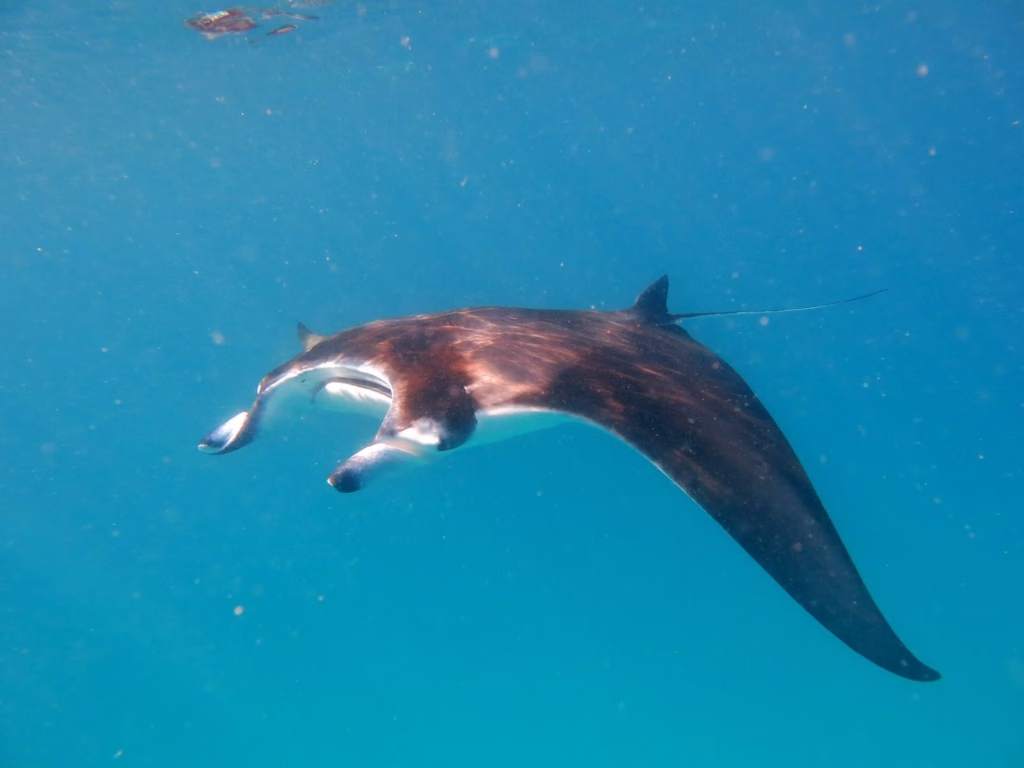
Hanifaru Bay is a small bay on the eastern edge of Baa Atoll, and in the right season it hosts one of the biggest manta ray gatherings on the planet. During the southwest monsoon, tides and currents push plankton into the shallow bay and trap it there, and the mantas arrive to feed, sometimes in groups of more than a hundred, swirling in feeding chains with whale sharks sometimes joining in.
Hanifaru became a marine protected area in 2009, and in 2011 the whole of Baa Atoll became a UNESCO biosphere reserve with the bay as a core zone. Scuba diving is banned here, so you only snorkel, with a licensed guide, in small groups and for a limited time. Feeding can happen roughly from May to December, and late July to early October around the full or new moon is usually the best. Sightings depend on nature, so keep a spare day if you can. To get the location, click here.
1. South Ari Marine Protected Area: Whale Sharks All Year
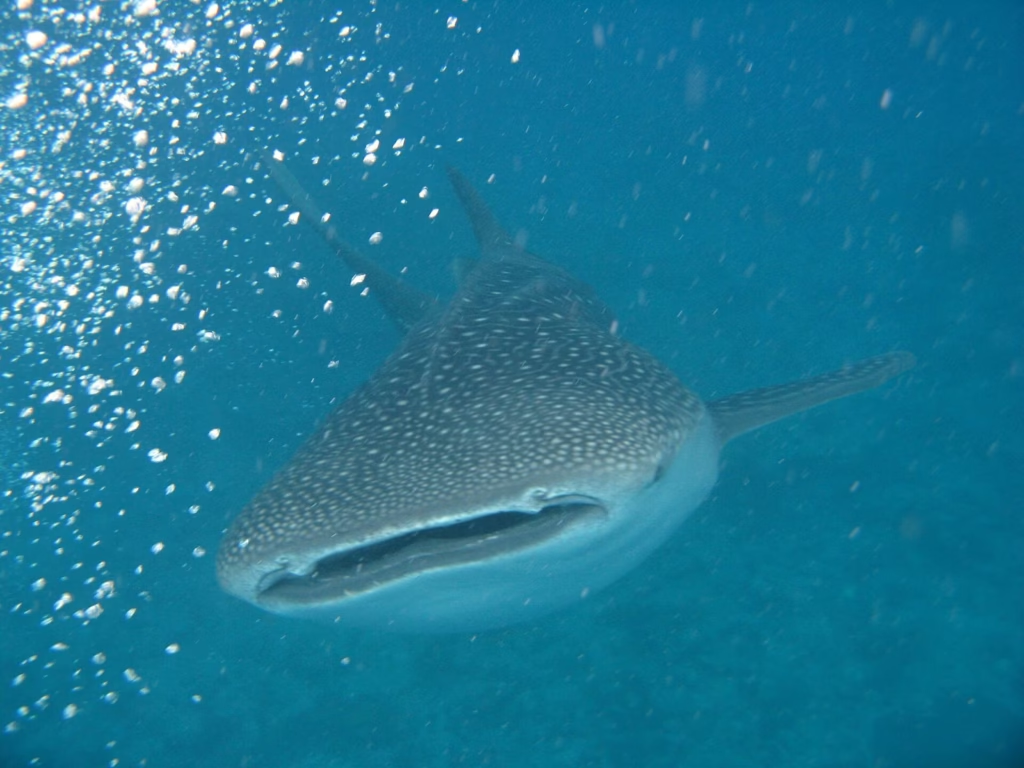
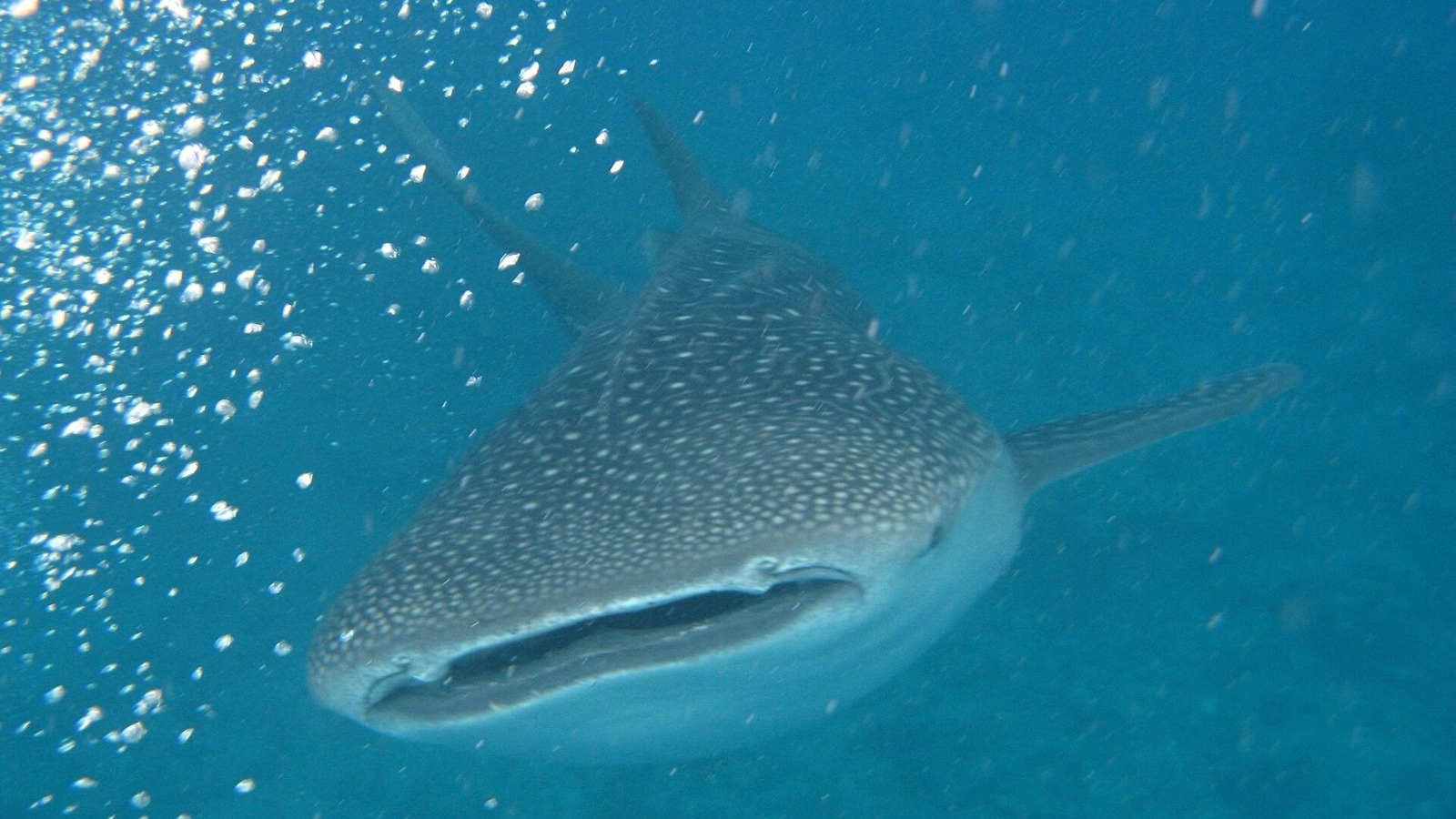
If I could keep only one place in the Maldives, it would be the South Ari Marine Protected Area. It runs along the outer reef of South Ari Atoll from Rangali to Dhigurah, it was declared protected in 2009, and at 42 square kilometres it is one of the largest marine protected areas in the country. What makes it stand out is simple: it is one of the very few places in the world where whale sharks are seen all year round.
Most of the whale sharks here are young males, and researchers think they use the warm, shallow reef edge to warm up after diving deep to feed. Being in the water when one of these spotted giants, the biggest fish in the sea, slides past you is something you will remember for the rest of your life. Go with a responsible operator, keep at least 3 metres from the head and body and 4 metres from the tail, never touch or chase it, and no flash photography. Sightings are never guaranteed, which only makes the moment sweeter when it happens. To get the location, click here.
Best time to visit the Maldives
The Maldives is warm all year, with sea water usually around 26 to 29 degrees C, but it has two monsoons. The dry northeast monsoon, called Iruvai, runs from about December to April and brings the sunniest days and calmest seas, which is why it is peak season. The wetter southwest monsoon, Hulhangu, runs from about May to November, with more cloud, wind and short heavy showers, and June to August is usually the roughest stretch.
For marine life, the mantas follow the plankton: from December to April they are mostly on the western side of the atolls, and from May to November mostly on the eastern side, which is when Hanifaru Bay comes alive. Whale sharks in South Ari can be seen in any month.
A few Maldives tips before you go
- Pack for the sun, not the city: the equator sun is strong even on cloudy days, so cover up between late morning and mid-afternoon and drink plenty of water.
- Never stand on coral, touch turtles or chase marine life. Use a reef-safe sunscreen, because what is on your skin ends up on the reef.
- Respect local islands: cover shoulders and knees in villages, keep swimwear for the marked tourist beaches and remember that alcohol is not served on local islands.
- The weather and the sea decide everything here. Boats and snorkel trips can be cancelled on a windy day, so never squeeze your trip so tight that you have no spare time.
- Even if you are not a diver, a good snorkel on a house reef can show you more colourful fish in ten minutes than a week of aquarium visits.
FAQ
- What are the best places to visit in the Maldives?
The South Ari Marine Protected Area for whale sharks, Hanifaru Bay for mantas, Ithaa undersea restaurant, Maaya Thila, Vaavu Atoll, Fuvahmulah, Addu Atoll, Thoddoo, Banana Reef and the capital Male are among the best, depending on whether you love the sea, culture or quiet beaches.
- Where can you see whale sharks in the Maldives?
South Ari Atoll is the most famous place, because whale sharks are seen there all year, mainly along the South Ari Marine Protected Area. They also visit Hanifaru Bay in Baa Atoll during the manta season.
- When is manta season at Hanifaru Bay?
Manta feeding at Hanifaru Bay can happen from about May to December, with the best chances usually from late July to early October around the full or new moon. Only snorkelling is allowed there, with licensed guides.
- What is the best month to visit the Maldives?
December to April is the dry season with the calmest seas and sunniest days. May to November is wetter but still warm, often quieter, and the best time for Hanifaru Bay mantas.
- Is the Maldives good for a honeymoon?
Yes. Calm lagoons, private islands, sunsets over the water, an undersea dinner at Ithaa and a whale shark swim make the Maldives one of the most romantic trips you can take as a couple.
Final Thoughts
The Maldives is so much more than a pretty overwater villa. It is whale sharks drifting along a reef edge, mantas spinning in a bay, nurse sharks under a jetty at night and a capital built of coral stone. If you ask me, put South Ari first and give yourself enough days in the water. Which one is on top of your list, the whale sharks or the dinner under the sea? Tell me in the comments. And if you are collecting dreamy trips, read my top 10 places to visit in Japan, my top 10 places in Amalfi Coast and Sardinia and my Capri day trip guide, or stay in India with my Udaipur for couples plan.
If South Ari, Ithaa and the whale sharks are what made your heart beat faster, I have already done the planning for you in my 5-day Maldives honeymoon itinerary. You can just use it for the days you have, book from its links and go, with no planning worries. If you want a custom version for your own dates, CLICK HERE to start on the trip form.
I plan the route. I don’t book the ferry, the stay, or the tickets. A custom plan is Rs. 200 per travel day. Fill the trip form, pay online, and I’ll send you the plan.