 By
Solo travelling is not just a journey through places, it’s a journey through yourself. It’s chaotic, calm, frustrating and yet freeing. You can wake up to the chants of aarti in Varanasi and fall asleep under a billion stars in Spiti. You might get lost in the crowded lanes of Old Delhi and then find your soul in the stillness of Gokarna’s beaches. That’s India, it pushes and pulls you in ways you don’t expect.
Travelling alone here teaches you to trust your gut. You become more alert, more aware, but also strangely more open. Conversations with strangers often bloom into beautiful moments of human connection over chai stalls, temple steps or shared train seats. You begin to understand the heartbeat of the country, not through books or videos, but through the people you meet along the way.
India will test your patience, and it can overwhelm you with its noise, crowds and unpredictability. But it also humbles you and grounds you. You realise how small your bubble was, and how much more there is to feel, learn and unlearn. You start to enjoy your own company. You understand that being alone doesn’t mean being lonely.
Solo travel in India isn’t just about places, it’s about inner shifts, the kind that stay with you long after the trip is over. And once you’ve done it, you’ll carry a part of India with you wherever you go: raw, real and unforgettable.
1. Rishikesh, Uttarakhand
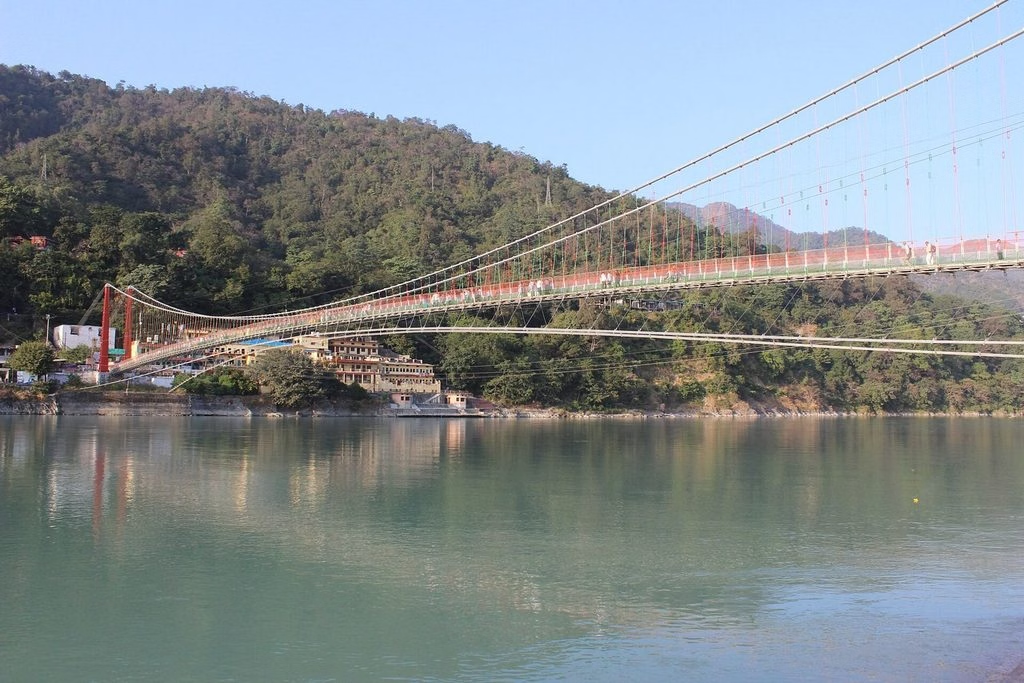
Photo: Snehrashmi, Wikimedia Commons, CC BY-SA 4.0.
Yoga, Ganga aarti, river rafting and peaceful hostels, Rishikesh is a must for every solo traveller because it has something for everyone. Whether you want local stories, a spiritual epiphany or just a crazy adventure, you will find it here. Sitting at the foothills of the Uttarakhand mountains, it also works as a base for your mountain adventures. It is very safe even for solo female travellers, and it is a buzzing town to explore on your own. You can get here from Delhi or Dehradun airport, and there are plenty of buses and trains from Delhi.
I rode my bike to Rishikesh on my way to the mountains and had a nice 2-night stay here. One tip: when the aarti starts in the evening, avoid taking your own vehicle out and try to stay near the ghat for an amazing experience. There are many homestays and budget hostels, but the best way to get the real experience is to stay in a hostel dorm, where you meet new people and make new friends.
The most epic time to come is during one of the festivals, such as Ganga Dussehra, Holi, Basant Panchami, Magh Mela, Diwali or the International Kayak Festival. There are treks, temples, historical spots, waterfalls, wonderful cafes and adventure activities to keep you busy. I came for the adventure activities, riverside camping, some relaxing time in town and the Ganga aarti on the ghat.
2. Leh, Ladakh
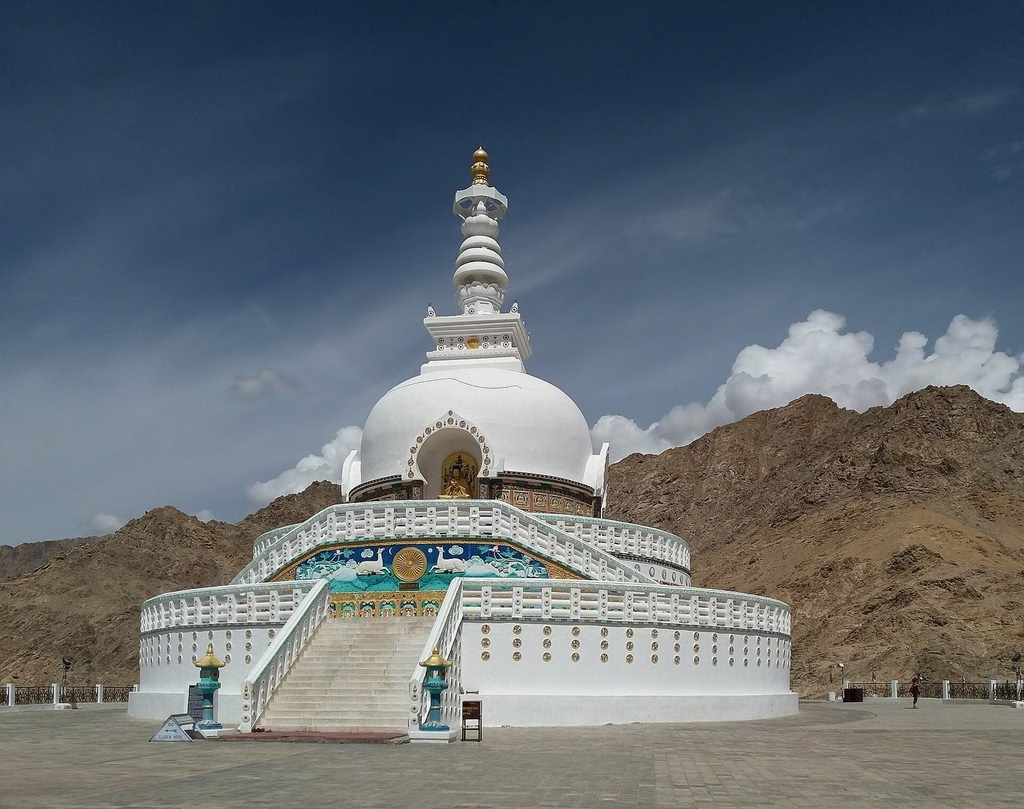
Photo: Yann Forget, correction by Trougnouf, Wikimedia Commons, CC BY-SA 4.0.
A dream destination for every rider, me included. One visit is not enough to explore it properly, it can take months to take in all the beauty of this place. Leh is surprisingly solo-traveller friendly, including for solo female travellers, with its homestays, hostels and cafes, and solo riders, trekkers and digital nomads all find their place here. The best time to visit is May to September, as the rest of the year the roads can close because of snow and landslides. If you are riding, try to avoid July and August too, because the water crossings get crazier.
You can fly directly to Leh, or do the Manali to Leh road trip, which is an amazing journey by itself, and if you have extra days you can come via Kashmir on the Srinagar to Leh highway. If you fly in, take 2 days of rest to acclimatise to the altitude, adjust your breathing and drink more water to keep your blood oxygen up.
From Leh you can go to Nubra Valley, Tso Moriri, Hanle and many more places. Ladakh has the most adventurous bike rides in India, treks like Markha Valley or the Chadar in winter, stargazing in Nubra Valley or at Pangong Tso, and ancient monasteries like Thiksey, Diskit and Hemis. As a solo traveller, this may be the ultimate destination for you.
3. Gokarna, Karnataka
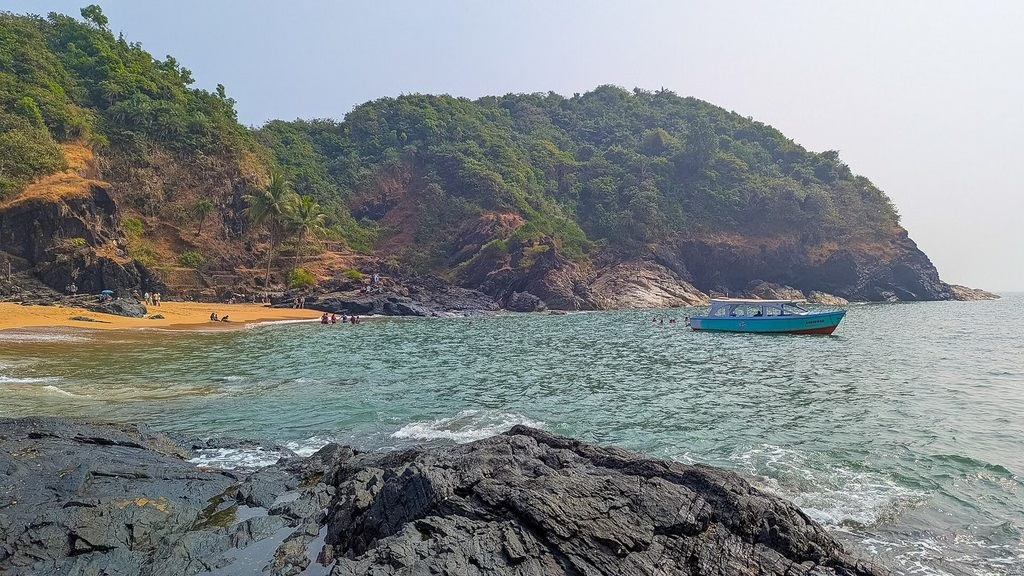
Photo: Sourabh.biswas003, Wikimedia Commons, CC BY-SA 4.0.
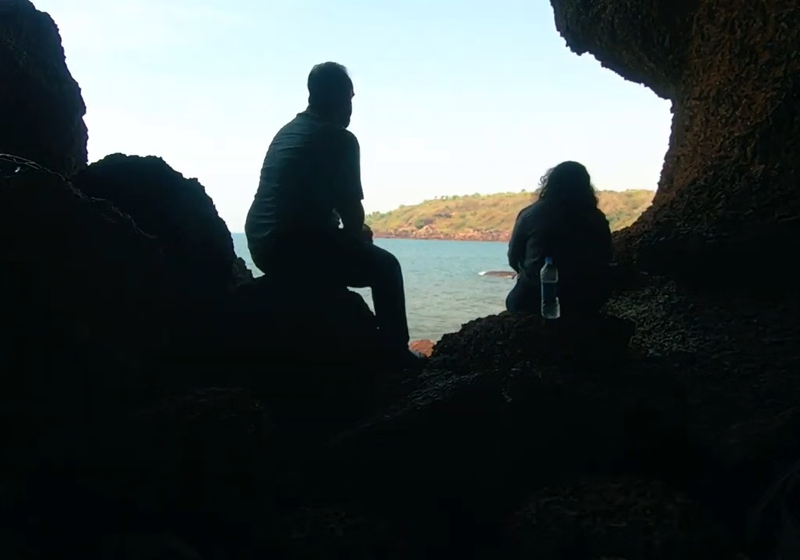
Want to travel to Goa but hate the crowds? Then Gokarna in Karnataka is the right destination for you. Gokarna is perfect for solo travellers, and many of them come here throughout the year. The friendly hostels, the beaches, the adventurous treks, the temples, the caves, the food and the culture, everything here works for you no matter why you come. It is a small temple town first, with the old Mahabaleshwar Temple at its heart, so the vibe is a mix of pilgrims in the main street and backpackers on the beaches, and that keeps it grounded and fairly safe. Solo female travellers generally find it comfortable too, just use normal sense on isolated beach paths after dark. The best time to come is October to March, when the sea is calm and the weather is pleasant. The monsoon is beautiful but the beaches get rough and many shacks shut.
The classic thing to do here is the beach trek linking Kudle, Om, Half Moon and Paradise beaches over the rocky headlands, with the sea on one side the whole way. You can walk it in parts, sit at a shack in between, and take a boat back if your legs give up. Spend a morning in the town lanes around the temple and Koti Teertha tank, watch the sunset from Kudle or Om Beach, and if you want more, places like Mirjan Fort and Yana’s rock formations are within reach. Stays are mostly hostels, beach huts and simple guesthouses, and a dorm near Kudle or Om is the easiest way to find company for the trek. One practical tip: carry water and wear proper footwear for the trail, the rocks get slippery. If you love beaches like these, also read my guide to the best beaches in North Goa.
4. Spiti Valley, Himachal Pradesh
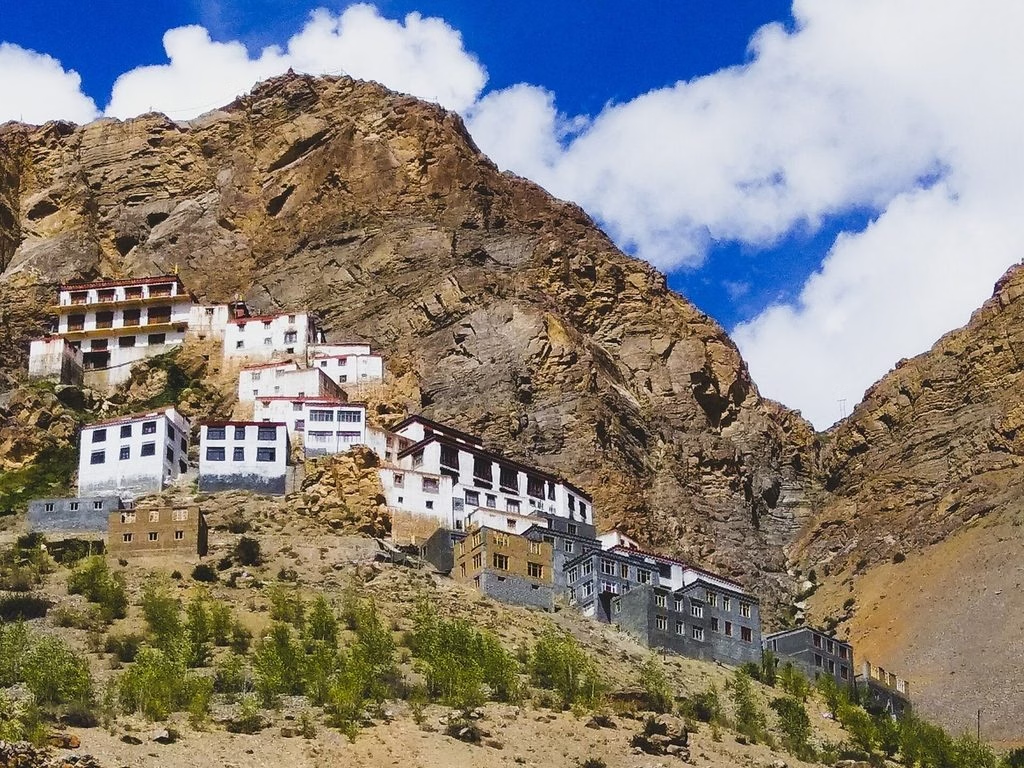
Photo: Nitinkambo, Wikimedia Commons, CC BY-SA 4.0.
Spiti is barren beauty at its rawest, a cold high-altitude desert between Lahaul and Tibet where small villages sit against brown mountains and the night sky looks unreal. For a solo traveller it is the place to slow down. There are no crowds, no parties, just monasteries, river valleys and people who still live a very simple mountain life. The locals are warm and the region has a reputation for being safe, and solo female travellers do travel here, though because it is so remote you should keep someone updated on your route, as the phone network can disappear for hours. The best time is roughly June to September when the roads from both sides are generally open. Outside this window snow can close the passes, and winter Spiti is a completely different, much harder trip.
Key Monastery sitting on its hill above the river is the picture everyone knows, and from there you can explore the villages of Kibber, Langza with its big Buddha statue and fossils, Komic and Hikkim. Dhankar Monastery on its cliff and the old Tabo Monastery are worth the time, and Chandratal lake on the Kunzum side is a must if the road is open. Solo treks between villages, meditation in a monastery or simply sitting with a cup of tea watching the mountains is what Spiti is about. Stays are mostly family homestays and a few hostels in Kaza, and a homestay gives you home food and real local stories. Practical tip: go with buffer days and spend your first day resting, the altitude here is serious.
5. Hampi, Karnataka
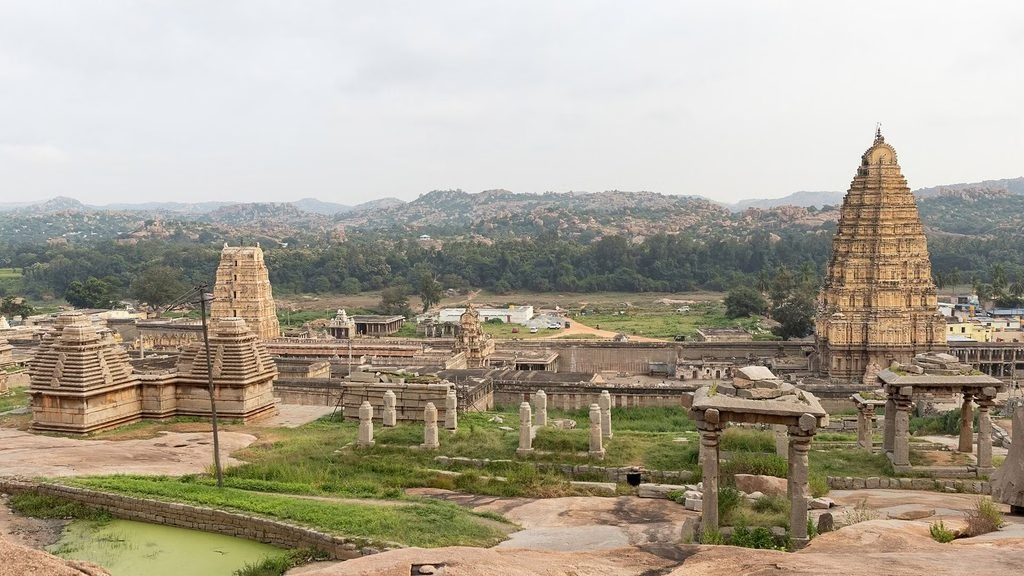
Photo: iMahesh, Wikimedia Commons, CC BY-SA 4.0.
Hampi feels like walking through another planet. The ruins of Vijayanagara, once the capital of one of the greatest South Indian empires and now a UNESCO World Heritage Site, are spread across a landscape of giant balanced boulders, banana fields and the Tungabhadra river. It suits solo travellers because there is so much to explore at your own pace, and the backpacker crowd is friendly, so you will easily find someone to share a sunset or a cycle ride with. It is generally safe, including for solo female travellers, but some ruins and boulder areas are isolated, so avoid wandering alone in empty spots after dark. The best time is October to February. Summer gets extremely hot and walking among the rocks becomes really tiring.
Start with the Virupaksha Temple, still an active temple, then the Vittala Temple with its famous stone chariot, the Royal Enclosure, the Lotus Mahal and the Elephant Stables. Climb Matanga Hill or Hemakuta Hill for sunrise or sunset, and cross the river to the Hampi Island side, near Anegundi, for a quieter, more rural feel with paddy fields and boulder climbing. The art cafes on both sides are perfect for slow afternoons. Stays are guesthouses, homestays and a few hostels, and many travellers stay across the river for the peaceful vibe. Practical tip: rent a cycle or scooter, the site is spread over a huge area, and carry plenty of water and a cap because there is very little shade among the ruins.
6. Kasol and Parvati Valley, Himachal Pradesh
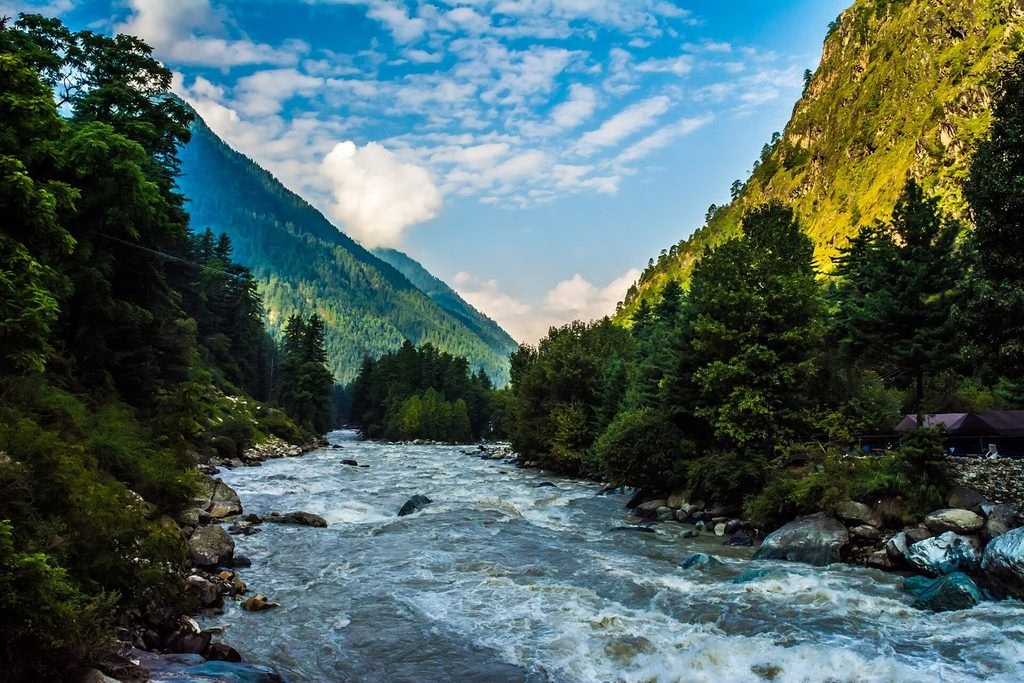
Photo: Alok Kumar, Wikimedia Commons, CC BY-SA 4.0.
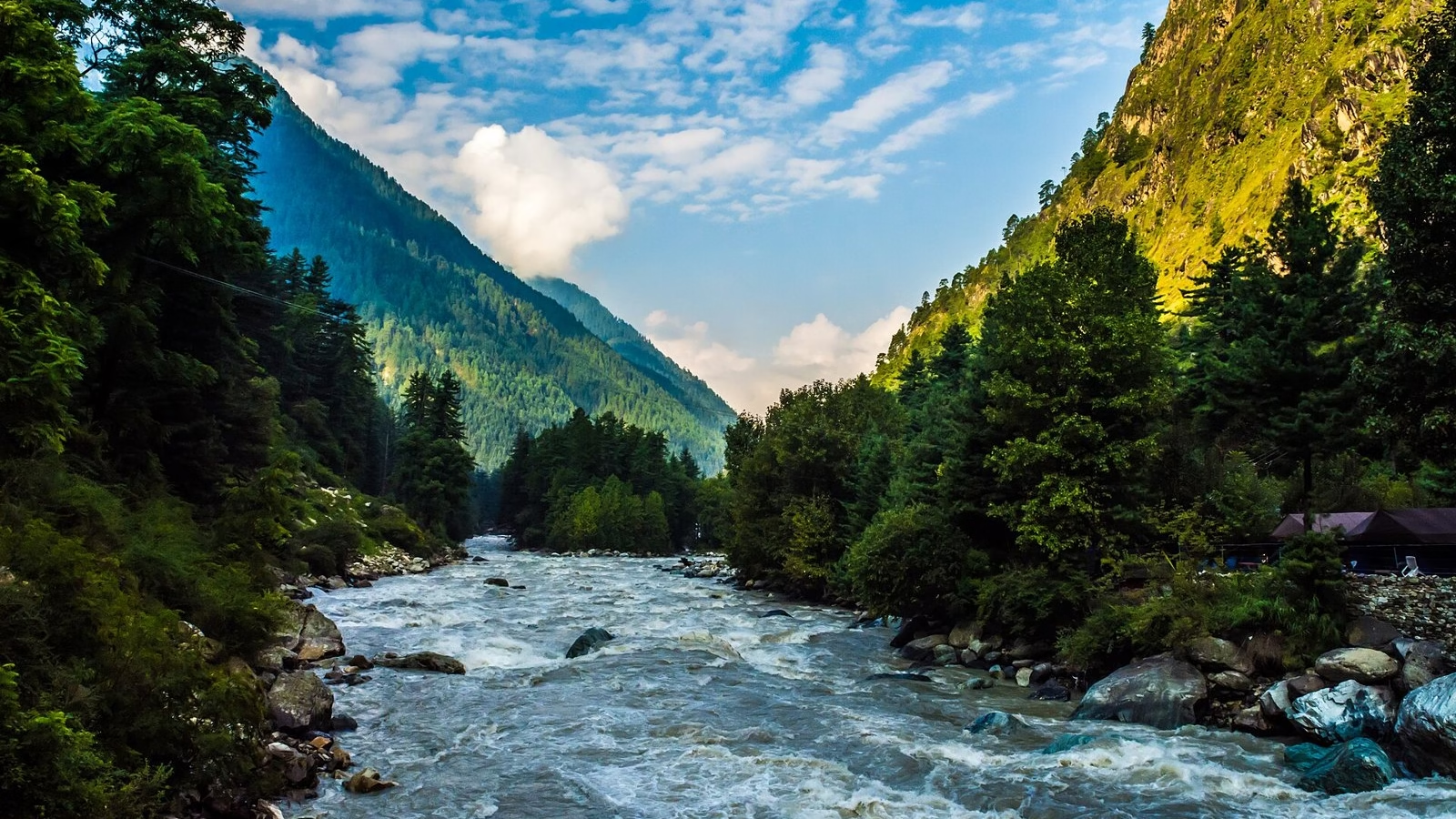
Kasol is the little hippie town of the Parvati Valley, sitting right on the river among pine forests. The vibe is chill, with riverside cafes, Israeli food and travellers from all over, so it is very easy to find company if you want it and just as easy to sit alone with a book by the river. That is why it is one of the most popular first solo trips for people in North India. It is generally safe and many solo female travellers come here, but stick to busy areas at night, be careful with what you are offered, and walk with others on forest trails. The best time is March to June and September to November. Monsoon brings landslides to the valley roads and winter gets very cold, though some love the snow.
From Kasol you can do easy walks to Chalal village across the river, head up to Tosh at the end of the valley, or visit Manikaran with its hot springs and gurudwara, where you can eat at the langar. The Kheerganga trek is the popular one, with a hot spring waiting for you at the top, and Malana is a well-known village with its own unique culture and rules, so respect them if you go. Stays here are hostels, guesthouses and homestays, and many travellers prefer the villages around Kasol for a quieter stay. Practical tip: carry cash, ATMs in the valley are limited and do not always work, and the network becomes weak once you go beyond the main town. Once you settle into a riverside cafe, you may not want to leave for days.
7. Varanasi, Uttar Pradesh
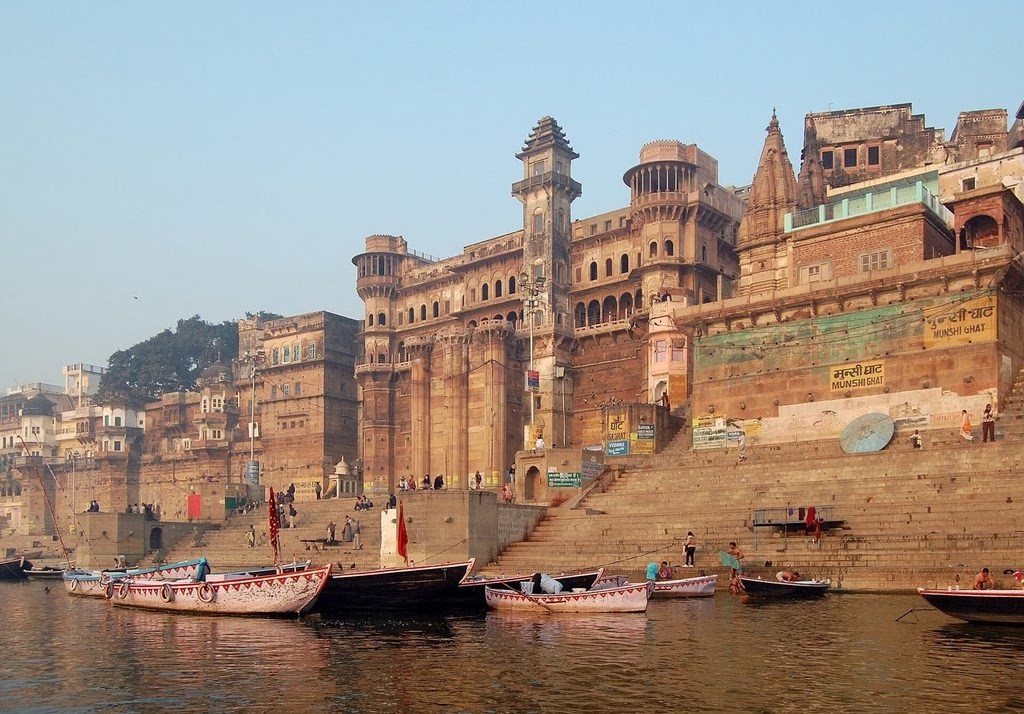
Photo: Marcin Bialek, Wikimedia Commons, CC BY-SA 3.0.
Varanasi is one of the oldest living cities in the world, and there is no place in India quite like it for solo introspection. Life and death happen side by side on the ghats along the Ganga, from morning rituals and chants to the cremation fires at Manikarnika, and as a solo traveller you have the time to just sit and absorb it without anyone rushing you. It is a busy, intense and sometimes overwhelming city, but it is very used to travellers, so finding company in hostels and on the ghats is easy. Solo female travellers do visit, but expect crowds and stares, dress modestly, and avoid empty lanes and ghats late at night. The best time is October to March. Summer is brutal and in the monsoon the river rises and covers many ghats.
Take a boat ride at sunrise, when the ghats are at their most beautiful, and come back in the evening for the Ganga aarti at Dashashwamedh Ghat. Walk the stretch from Assi Ghat to Manikarnika, get lost in the narrow lanes of the old city, visit the Kashi Vishwanath temple area, and try the street food, the lassi and the famous Banarasi paan. Ramnagar Fort across the river and Sarnath nearby are easy outings, and the city is full of music, silk weaving and old traditions. Stays are guesthouses, hostels and homestays, many right on or near the ghats. Practical tip: be clear and firm with touts and boat guys, agree on everything before you start, and respect the cremation ghats by not taking photos there.
8. Pondicherry, Tamil Nadu
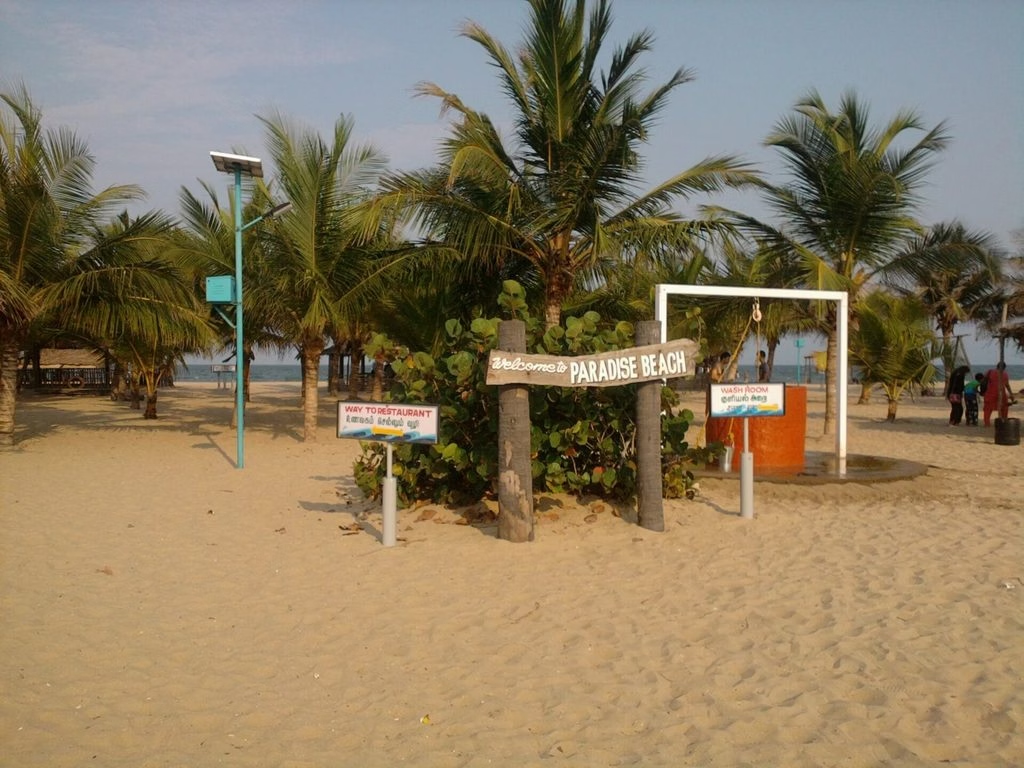
Credit: Vtbijoy, Wikimedia Commons, CC BY-SA 3.0
Pondicherry, or Puducherry, still carries its French past in the White Town, with yellow colonial houses, bougainvillea, quiet tree-lined streets and the long Promenade along the sea. It is one of the calmest cities in India to explore alone, perfect for a first solo trip where you want things easy, clean and slow. The town is walkable, people are relaxed, and the cafe culture makes it easy to spend hours by yourself without feeling out of place. It is considered very safe, including for solo female travellers, and the Promenade stays lively in the evenings. The best time is October to March, when the weather is pleasant. Summer is hot and humid, and the northeast monsoon brings heavy rain in parts of the winter months.
Spend your mornings walking the Promenade, visit the Sri Aurobindo Ashram, see the colourful Tamil Quarter, the churches and the old French streets, then hop between coastal cafes and bakeries. Take a day out to Auroville, and spend time at the beaches outside town, like Paradise Beach, or the quieter ones further up the coast where some people try surfing. The Botanical Garden and the museum are good if you like history. Stays range from hostels and guesthouses to heritage homestays in the old French houses, and a hostel near White Town makes it easy to meet people. Practical tip: rent a cycle or scooter, Pondicherry is best explored at your own pace, and start early, the afternoon heat can get strong even in winter.
9. Varkala, Kerala
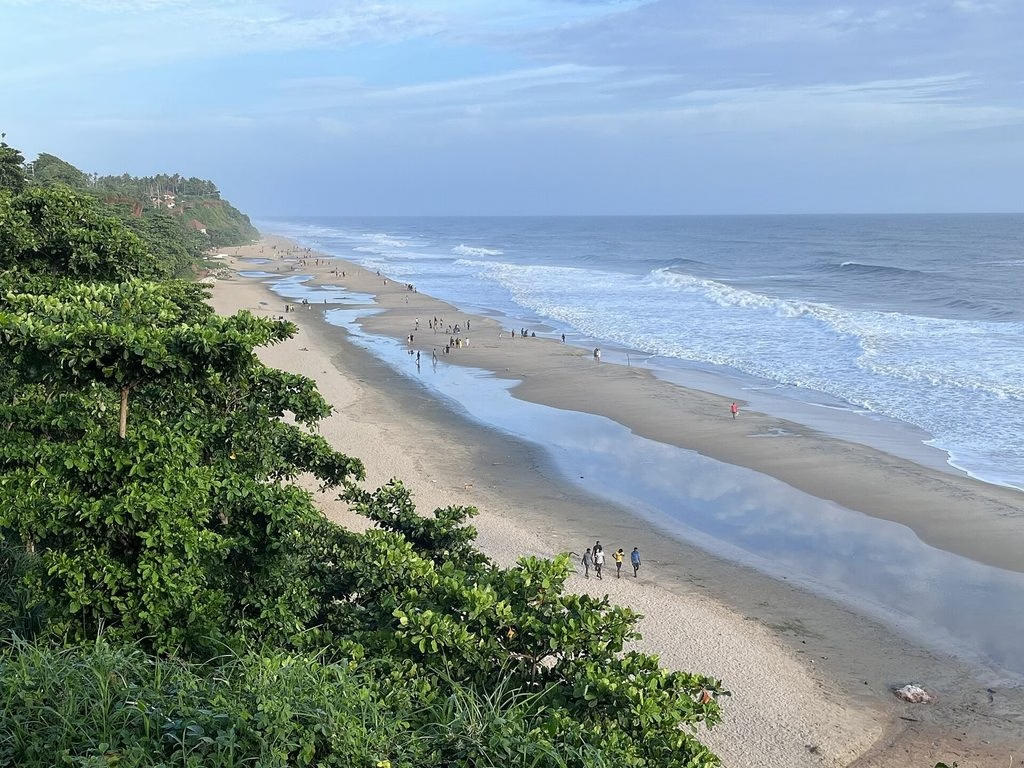
Photo: Shantham11, Wikimedia Commons, CC BY-SA 4.0.
Varkala is famous for something rare on the Kerala coast: red laterite cliffs right above the beach. The North Cliff is lined with cafes, guesthouses and shops looking out at the Arabian Sea, and steps lead down to Papanasam Beach below. It has a relaxed, small-town vibe where solo travellers come for a few days and end up staying weeks, doing yoga in the morning and watching sunsets in the evening. It is generally safe, and the cliff area is busy and well-travelled, so solo female travellers find it comfortable, but the cliff paths are dark and unfenced in places, so walk carefully at night. The best time is October to March. The monsoon is great for Ayurveda treatments but the sea gets very rough and many cliff cafes close.
The cliff walk itself is the main activity, from the North Cliff towards the quieter Black Beach and Odayam side. Join a yoga class or a retreat, try an Ayurveda treatment, and take a surfing lesson where the waves allow. The Janardhana Swamy Temple is an old temple close to Papanasam Beach, and the beach is considered sacred for rituals, so respect that area. Nearby, the Kappil backwaters and Ponnumthuruthu island make a nice day out. Stays are guesthouses, homestays and hostels along the cliff and in the lanes behind it. Practical tip: swim only where the lifeguards say it is safe, Varkala has strong currents, and check the flag signals before going into the water.
10. Ziro Valley, Arunachal Pradesh
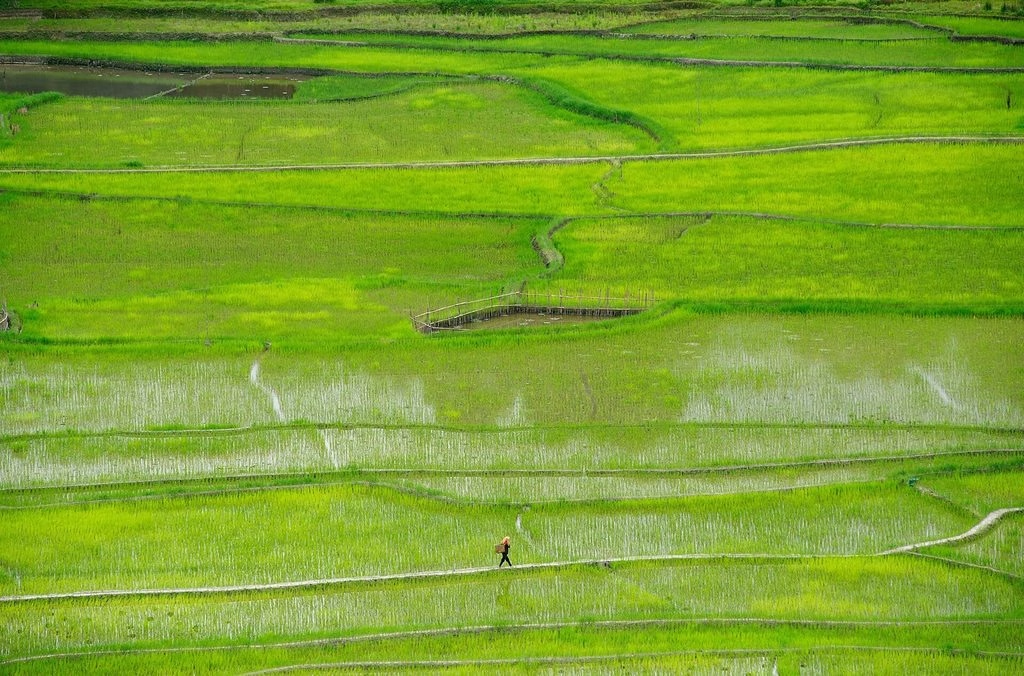
Photo: Arunachal2007, Wikimedia Commons, CC BY-SA 4.0.
Ziro is a wide green valley of rice fields and pine-covered hills in Arunachal Pradesh, home of the Apatani tribe, known for their unique paddy-cum-fish farming and their traditional villages. For a solo traveller it is a chance to see a completely different side of India, slow and close to nature, and to actually spend time with local families. The people are welcoming, the valley is peaceful, and the Northeast in general has a reputation for being comfortable for solo female travellers, though it is always wise to keep your plans shared and avoid travelling on remote roads at night. The best time is roughly March to October, when the valley is green. Autumn is the most popular because of the music festival, while winter is cold but clear.
Walk or cycle through the Apatani villages like Hong and Hari, see the bamboo houses and the paddy fields, and visit the Tarin fish farm area to understand how they farm. Talley Valley is a protected forest area for nature lovers, and the hilltop Shiva lingam site is a popular stop. The highlight for many is the Ziro Festival of Music held in the valley, which brings independent music lovers from all over the country. Stays here are mostly homestays with Apatani families, which is the best way to experience the culture and the food. Practical tip: Indian travellers need an Inner Line Permit to enter Arunachal Pradesh, so apply before you go, and carry cash because ATMs and card payments are limited.
11. Jaisalmer, Rajasthan
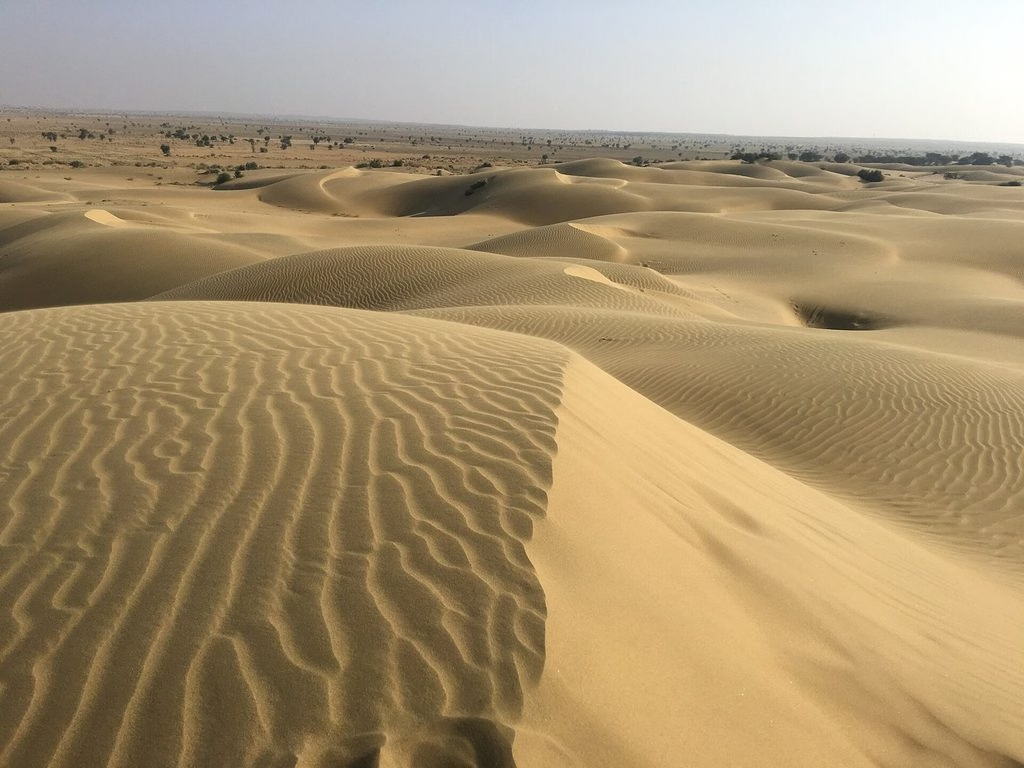
Photo: Roshanrajverma, Wikimedia Commons, CC BY-SA 4.0.
Jaisalmer is the golden city of the Thar Desert, and its sandstone fort is one of the few living forts in the world, with people still living, working and running shops inside its walls. As a solo traveller you get the best of both, an old city full of character to wander and a desert outside the town for a night under the stars. It is very used to travellers, so it is easy to join group desert trips and meet people. It is generally safe, and solo female travellers do come here, but choose your desert camp carefully, read recent reviews, and avoid going into the dunes alone with someone you just met. The best time is October to March. Summer is brutally hot, often unbearable for desert trips.
Wander the lanes of the fort, see the Jain temples inside, and visit the carved havelis like Patwon ki Haveli and Nathmal ki Haveli. Spend an evening at Gadisar Lake, then head out to the Sam or Khuri sand dunes for a camel ride, a desert camp and a night of stargazing. Kuldhara, the abandoned village, and the Bada Bagh cenotaphs at sunset are popular nearby spots, and the Desert Festival in winter is a big event. Stays range from hostels and guesthouses to heritage havelis, and staying in or near the fort gives you the real old-city feel. Practical tip: agree on exactly what is included in a desert safari before you book, and carry a warm layer, desert nights get surprisingly cold.
12. Udaipur, Rajasthan
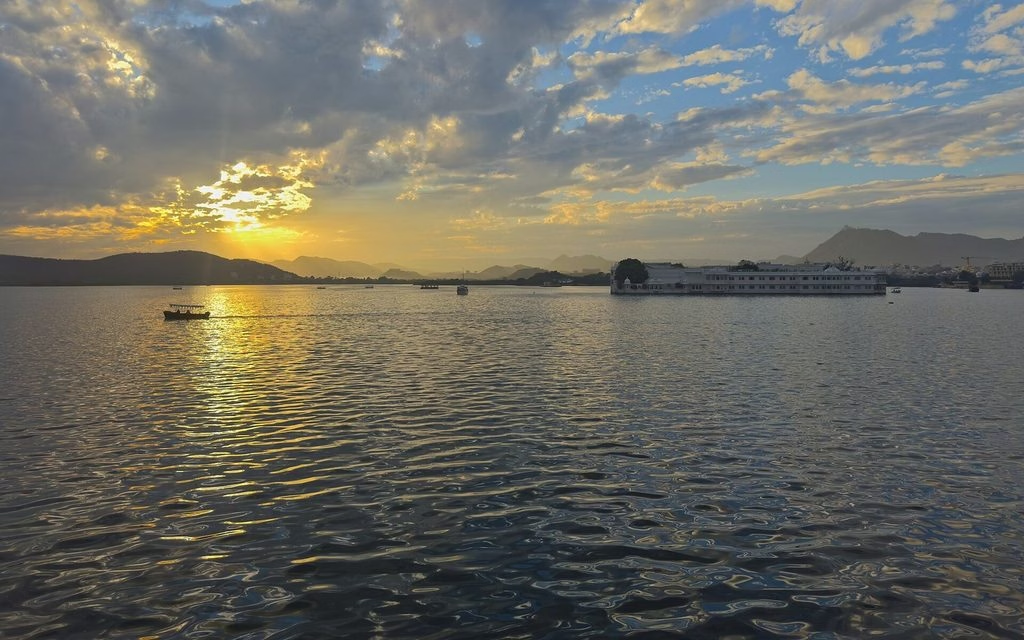
Photo: UnpetitproleX, Wikimedia Commons, CC BY-SA 4.0.
Udaipur, the city of lakes, is often called the most romantic city in India, but it works just as well alone. It is a beautiful, easy and relaxed city, with lakes, palaces and rooftop cafes everywhere, so you never feel out of place eating or watching the sunset by yourself. The old town is compact and walkable, and the city sees a lot of travellers, so hostels are lively and it is easy to meet people. It is considered safe, including for solo female travellers, though the usual sense applies in the old town lanes at night. The best time is October to March, when the weather is pleasant. The monsoon is also lovely if the lakes fill up, but summer gets very hot.
Watch the sunset over Lake Pichola, take a boat ride to see the Lake Palace and Jag Mandir, and spend a few hours inside the huge City Palace. Explore the old town around Jagdish Temple and Gangaur Ghat on foot, catch a folk dance show at Bagore ki Haveli, and walk along Fateh Sagar Lake in the evening. Sajjangarh, the Monsoon Palace, gives you a view over the whole city, and Saheliyon ki Bari is a pretty garden to visit. For day trips, Kumbhalgarh Fort with its huge wall and the Ranakpur Jain temple are both worth it. Stays are hostels, guesthouses and heritage homestays, many with lake-view rooftops. Practical tip: book the rooftop with a view, half the magic of Udaipur is the evening from above.
13. Tawang, Arunachal Pradesh
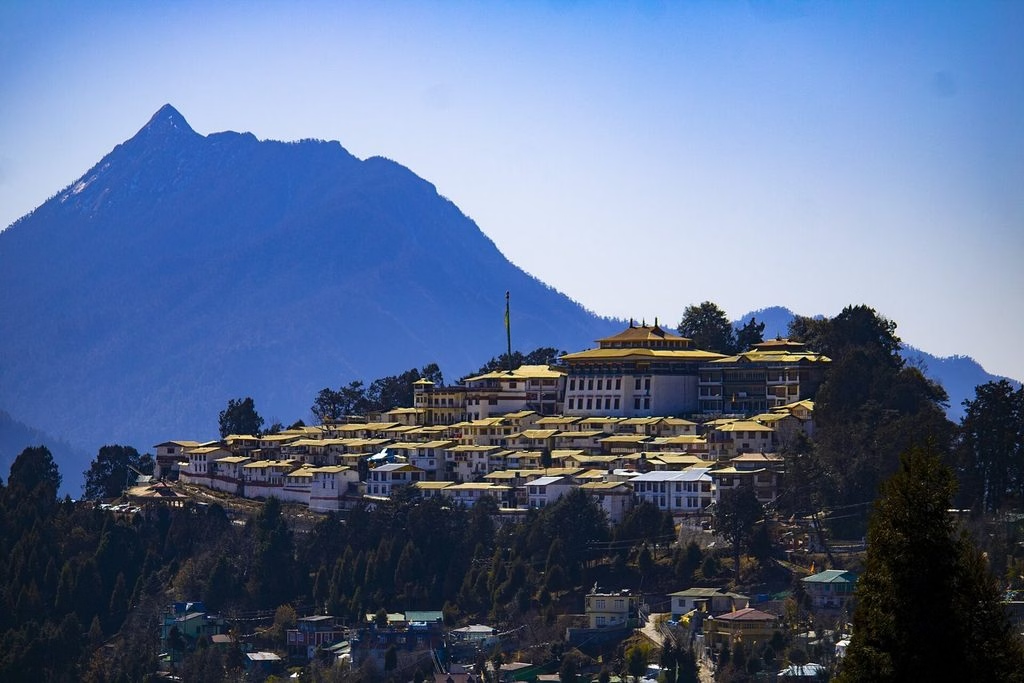
Photo: Chandrasen31, Wikimedia Commons, CC BY-SA 4.0.
Tawang sits high in western Arunachal Pradesh near the Bhutan and Tibet borders, and it is pure peaceful mountain solitude. The journey itself is part of the adventure, through dense forests, waterfalls and the high Sela Pass with its lake, and once you arrive the town feels calm, spiritual and far from everything. For a solo traveller it is perfect if you want monasteries, mountains and quiet time rather than parties. The Monpa people are warm and the area is considered very safe, including for solo female travellers, though the remoteness means you should plan carefully and keep people updated. The best time is roughly March to October. Winter is beautiful with snow, but roads can be blocked and many areas get very cold.
The Tawang Monastery, one of the largest Buddhist monasteries in India, overlooks the valley and is the heart of the town, so spend time there, especially during prayers. Visit the Tawang War Memorial, the high-altitude lakes around the area, and the drive towards Bum La, which needs extra permission. Nuranang Falls on the way and the small villages and nunneries around Tawang are worth stopping for. Stays are homestays, guesthouses and small hotels, and a homestay gives you Monpa food and stories. Practical tip: Indian travellers need an Inner Line Permit for Arunachal Pradesh, and some border areas need separate permits, so sort them out early, and keep buffer days because snow and landslides can delay the road.
14. Dharamshala and McLeod Ganj, Himachal Pradesh
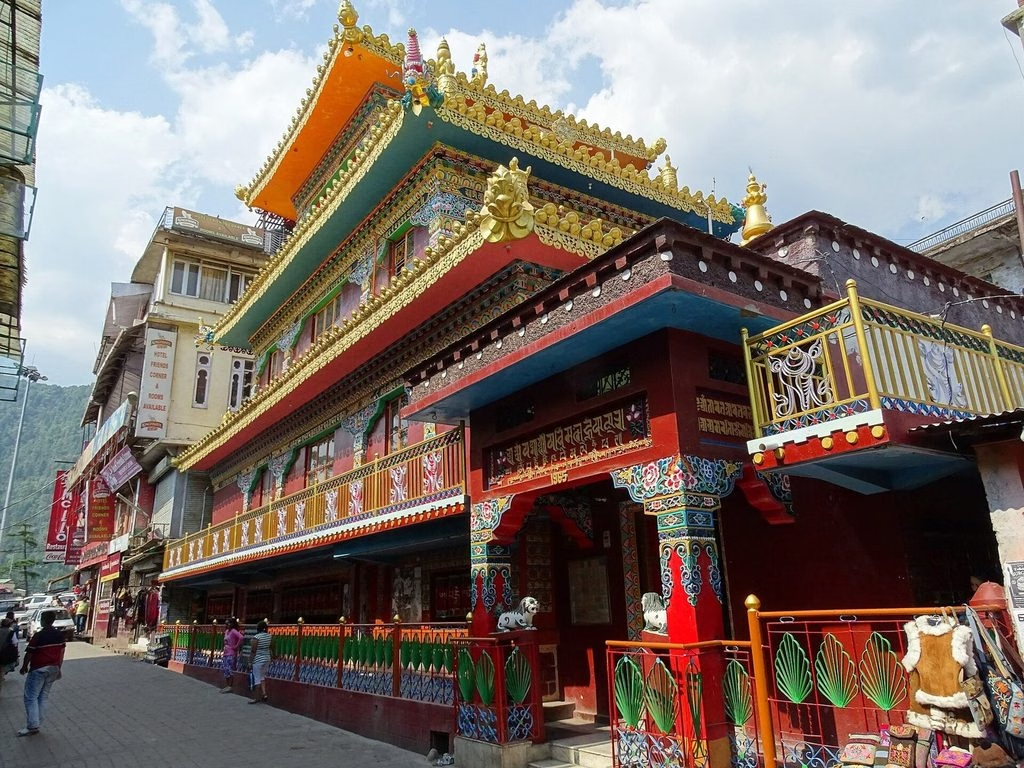
Photo: Adam Jones from Kelowna, BC, Canada, Wikimedia Commons, CC BY-SA 2.0.
McLeod Ganj, just above Dharamshala, is home to the Dalai Lama and the Tibetan government in exile, which gives it a calm, spiritual and very solo-friendly vibe. You have monks in red robes walking past cafes, prayer flags everywhere and the Dhauladhar mountains in the background. Many solo travellers come here to learn, whether it is meditation, Buddhist philosophy, Tibetan cooking or just slowing down. It is generally considered safe, including for solo female travellers, and the town is small and lively, though trails into the forest are best done with others or in daylight. The best time is March to June and September to November. The monsoon here is one of the wettest in Himachal, and winter is cold but peaceful.
Visit the Tsuglagkhang complex, the main temple, along with the Tibet Museum, and walk the kora around it with the locals. Eat momos, thukpa and Tibetan bread in the cafes, and attend a meditation or philosophy class if you want to go deeper. The Triund trek is the classic easy overnight trek from here, and Bhagsu waterfall, Dharamkot and Naddi are short walks away. Down in Dharamshala you have the cricket stadium and the Kangra valley views, and Norbulingka Institute is great for Tibetan art and culture. Stays are hostels, guesthouses and homestays, especially around Bhagsu and Dharamkot. Practical tip: carry a rain jacket even outside the monsoon, the weather changes fast in the Dhauladhars.
15. Mount Abu, Rajasthan
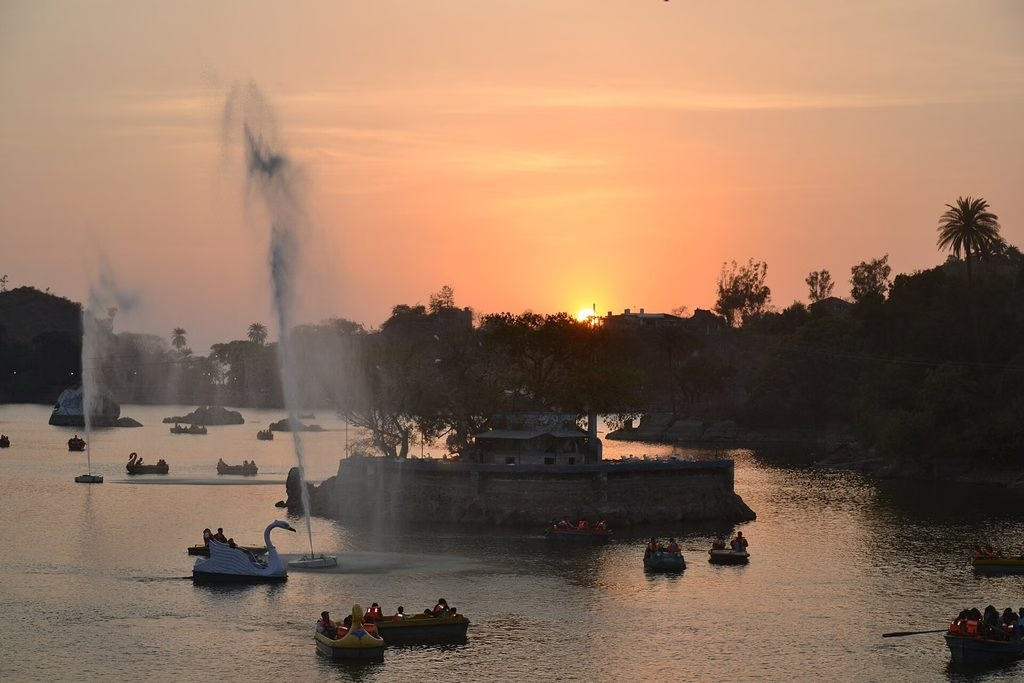
Photo: Harshil s mehta, Wikimedia Commons, CC BY-SA 4.0.
Mount Abu is the only hill station in Rajasthan, sitting on the Aravalli range, and it is a cool green break from the desert heat. It is a small, easy town where you can walk everywhere, sit by the lake and do peaceful solo hikes in the hills, which is very different from the Rajasthan most people imagine. It is a big holiday spot for families from Gujarat and Rajasthan, so it feels safe and busy, including for solo female travellers, though forest trails should be done with a guide or a group. The best time is roughly October to March, and the monsoon is also lovely when the hills turn green. Avoid long weekends and festival holidays, when the town gets really crowded.
Walk around Nakki Lake and take a boat ride, catch the sunset from Sunset Point, and visit the Dilwara Temples, famous for some of the most detailed marble carvings in India. Guru Shikhar, the highest point of the Aravallis, gives you wide views, and Achalgarh Fort and Toad Rock are nice short trips. For hikes, there are trails around the hills and the wildlife sanctuary, best done with a local guide. The Brahma Kumaris headquarters is here too if you are interested in meditation. Stays are mostly guesthouses, homestays and small hotels around the lake area. Practical tip: Dilwara has strict rules on dress and photography and fixed visiting hours for tourists, so check before you go and dress modestly.
16. Rann of Kutch, Gujarat
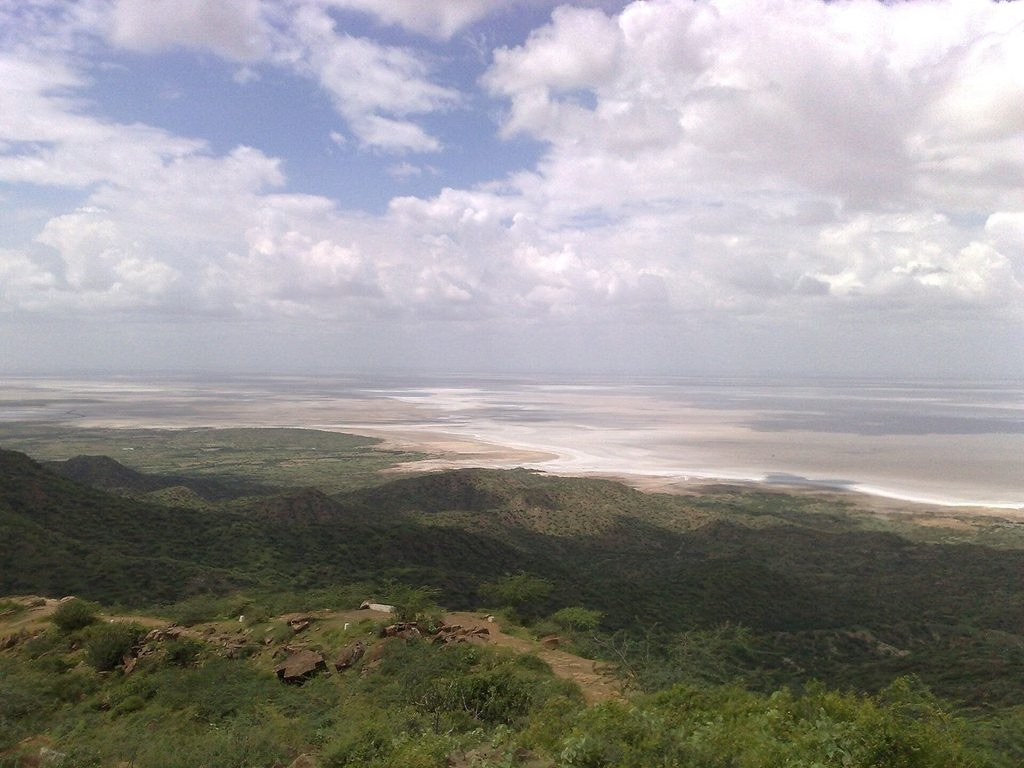
Photo: Superfast1111, Wikimedia Commons, CC BY-SA 3.0.
The Great Rann of Kutch is one of the most surreal places in India, a huge white salt desert that stretches all the way to the horizon. Standing there alone at sunset or under a full moon is an experience you will not forget, and that is exactly why it works so well as a solo trip, especially if you love photography. Kutch is a peaceful region, and Gujarat in general is considered safe for solo travellers, including women, though the Rann itself is open and remote, so do not wander far out on the salt alone after dark. The best time is winter, roughly November to February, when the salt flats are dry and white. In the monsoon the Rann floods and becomes a marshland.
The main experience is watching the sunset and moonrise on the white desert near Dhordo, where the Rann Utsav is held in winter with tent stays and cultural programmes. Kutch is also famous for its crafts, so visit villages like Hodka, Bhujodi and Nirona to see embroidery, mirror work, weaving and other local art directly from the artisans. Drive up to Kalo Dungar for a view over the Rann, and explore Bhuj with the Aina Mahal and Prag Mahal. Stays are tent camps during the festival, village homestays and guesthouses, and Bhuj makes a good base. Practical tip: you need a permit to enter the white Rann, which is usually arranged on the way, so carry ID with you.
17. Pushkar, Rajasthan
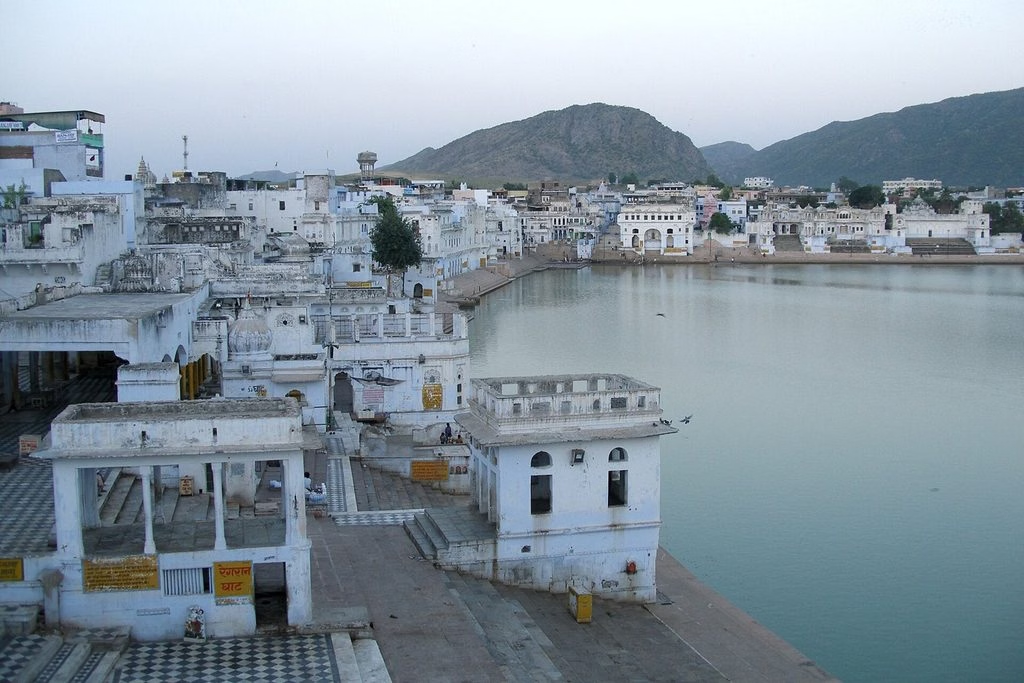
Photo: Vyacheslav Argenberg, Wikimedia Commons, CC BY 4.0.
Pushkar is a small holy town built around a sacred lake, with ghats on all sides and one of the very few Brahma temples in India. It has a laid-back, colourful vibe with music on the ghats, busy markets and rooftop cafes, and many travellers end up staying much longer than planned. It is an easy place to be alone, as the town is small, walkable and full of other travellers, so you can choose company or peace. It is generally safe, including for solo female travellers, but beware of people offering flowers or prayers at the ghats and then asking for money. The best time is October to March. The Pushkar Camel Fair around the Kartik Purnima full moon is the busiest and most colourful time.
Spend mornings and evenings on the ghats, visit the Brahma Temple, and climb to the Savitri Temple on the hill for a sunrise or sunset view over the town and the desert. The markets are full of clothes, silver and souvenirs, and the camel fair brings camels, traders, competitions and travellers from all over. Outside town you can do desert rides, and Ajmer with the famous Dargah Sharif is very close. Stays are hostels, guesthouses and homestays, many with rooftop views over the lake. Practical tip: Pushkar is a holy town, so meat and alcohol are not allowed, and remove your shoes and do not take photos of people bathing on the ghats without permission.
18. Coorg, Karnataka
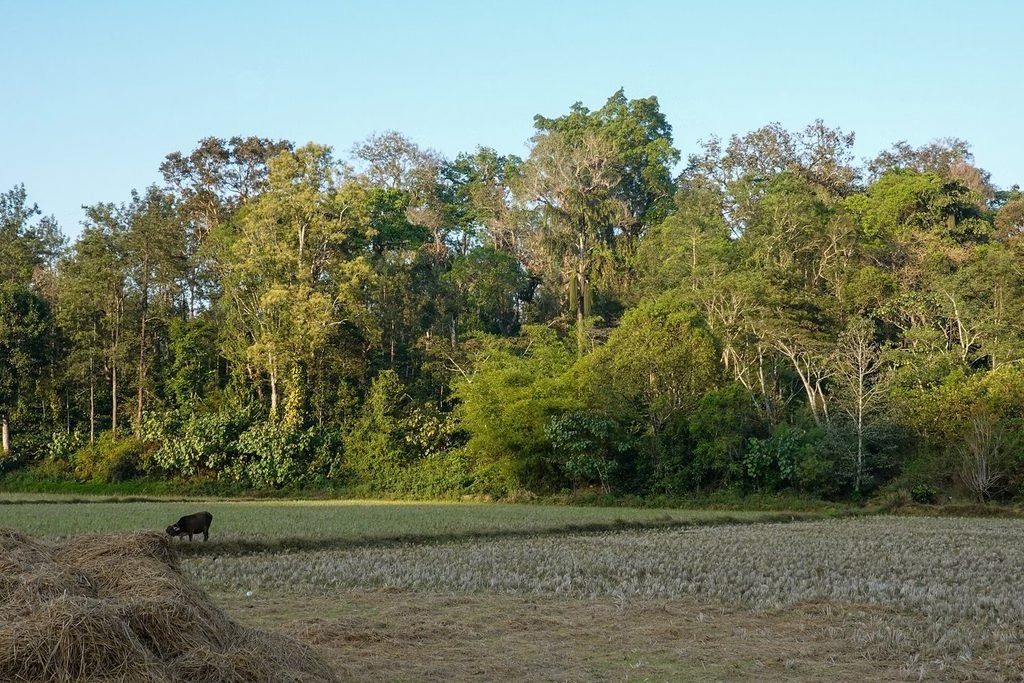
Photo: Timothy A. Gonsalves, Wikimedia Commons, CC BY-SA 4.0.
Coorg, or Kodagu, is a green haven of coffee plantations, misty hills and forests in the Western Ghats. It suits solo travellers who want nature, quiet and good food, and the homestay culture means you are rarely really alone, as the hosts often treat you like family and guide you around. The Kodava people have their own culture, food and hospitality, which makes a stay here very personal. It is considered safe, including for solo female travellers, but for treks in the forest go with a guide or a group. The best time is October to March, when the weather is cool and the trails are dry. The monsoon turns everything lush, but it rains very heavily and leeches come out on the trails.
Stay in a plantation homestay and take a walk through the estates to learn how coffee is grown, and try the local Kodava food. There is good solo trekking here, with Tadiandamol, the highest peak in Kodagu, and Brahmagiri among the popular trails, and Kotebetta and Mandalpatti for views. Abbey Falls, Raja’s Seat and the fort in Madikeri, the Talakaveri source of the Kaveri river, and the Tibetan settlement at Bylakuppe with its Golden Temple are easy additions. Dubare is known for its elephant camp on the river. Stays are mostly homestays and small guesthouses, plus a few hostels in Madikeri. Practical tip: buy your coffee and spices directly from the estates, and carry leech socks if you trek after the rains.
19. Shillong, Meghalaya
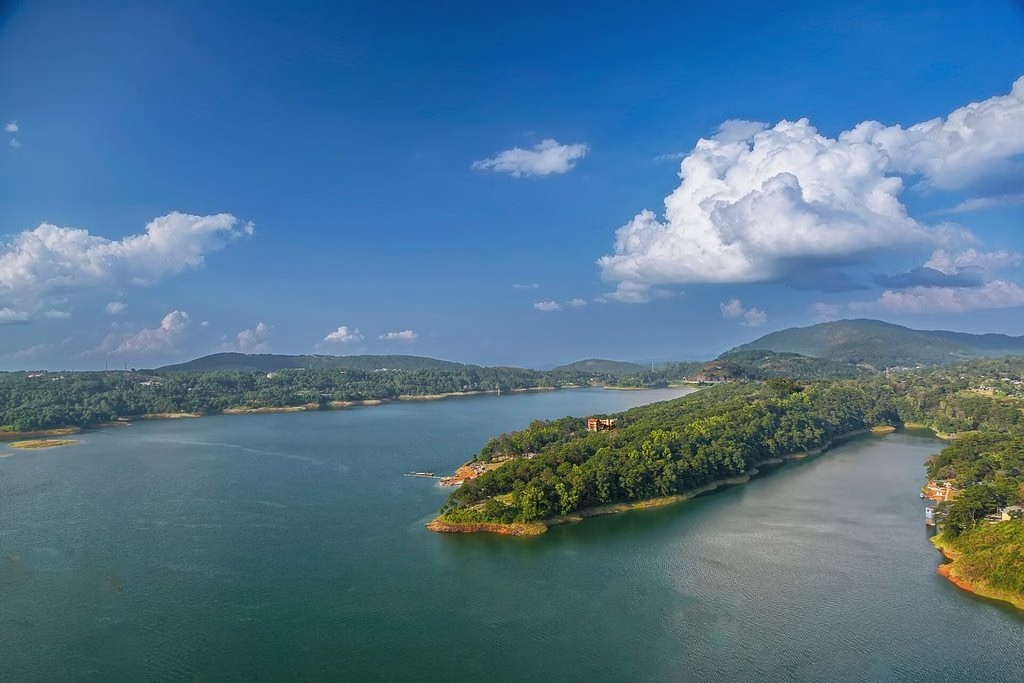
Photo: Prof. Vikramjit Kakati, Wikimedia Commons, CC BY-SA 4.0.
Shillong is a great first stop for solo travel in the Northeast. The capital of Meghalaya has a strong music scene, a young and friendly vibe, and English is widely spoken, which makes it easy to get around and talk to people. The pine hills and cool weather give it a relaxed feel, and it works well as a base for the rest of Meghalaya. The state is generally considered comfortable for solo female travellers, and Khasi society is matrilineal, which many women travellers appreciate, though the usual sense applies after dark. The best time is October to May. The monsoon is when Meghalaya’s waterfalls are at their best, but it rains a lot, roads can be slow, and views often disappear in the clouds.
Close to the city you have Umiam Lake, Elephant Falls, Shillong Peak and the Don Bosco museum on the cultures of the Northeast. Day trips take you to Cherrapunji with its waterfalls, caves and the living root bridges, including the double-decker root bridge trek at Nongriat, and to Dawki with its clear river and Mawlynnong, often called one of the cleanest villages in Asia. Police Bazaar and Laitumkhrah are the busy hubs for food, shopping and cafes, and live music nights are common. Stays are hostels, guesthouses and homestays, both in the city and in villages around Cherrapunji. Practical tip: always carry a rain jacket and a warm layer, the weather in Meghalaya can change within minutes.
20. Auroville, Tamil Nadu
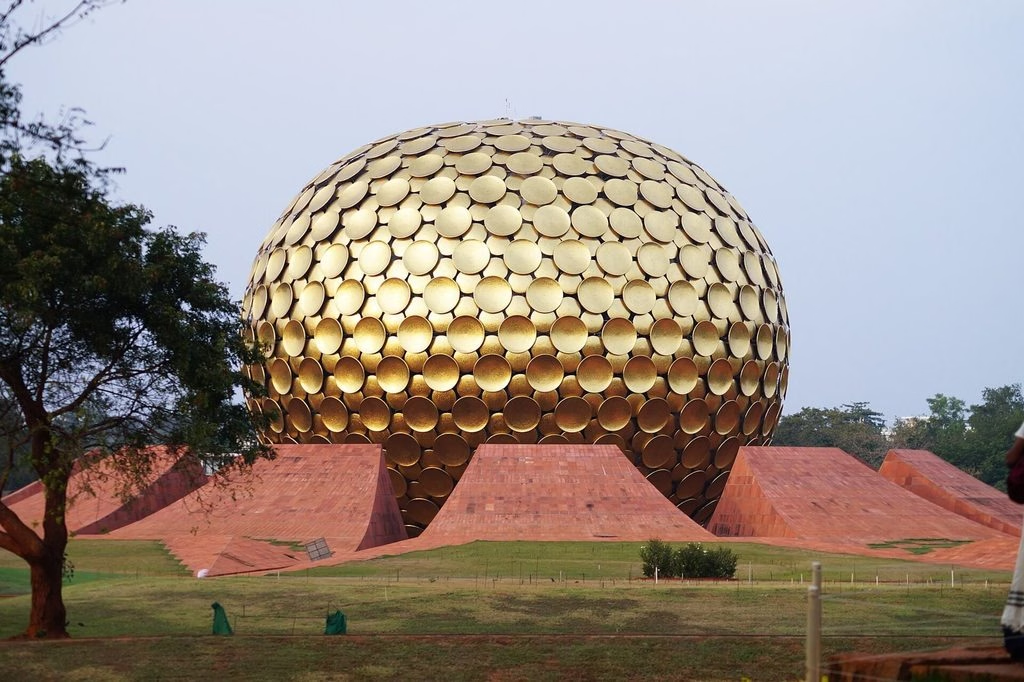
Photo: Kpsudeep, Wikimedia Commons, CC BY-SA 4.0.
Auroville, just outside Pondicherry, is an experimental township founded in 1968 with the idea of people from all over the world living together beyond nationality and religion. It is quiet, green and very different from anywhere else in India, with red-mud roads, forest, farms and people from many countries. Solo travellers come here not to sightsee but to slow down, meditate, learn and sometimes volunteer, and many stay for weeks. It is considered safe and calm, including for solo female travellers, though roads through the forest are dark at night, so carry a light. The best time is October to March, when the weather is pleasant. Summer is hot and humid, and the northeast monsoon brings heavy rain in parts of winter.
Start at the Visitors Centre to understand the place, then see the Matrimandir, the golden globe at the centre built as a space for silent concentration, and the Banyan tree beside it. Visits inside the Matrimandir need prior booking, so plan ahead. Look for workshops on yoga, meditation, art, organic farming and sustainable living, and check volunteering options if you want to stay longer. The beaches around Auroville and the town of Pondicherry are both very close. Stays are guesthouses inside Auroville and homestays and hostels around it, and staying inside gives you a feel of the community. Practical tip: rent a cycle or scooter, Auroville is spread out across a big area, and respect the silence rules at the Matrimandir.
21. Agonda Beach, South Goa
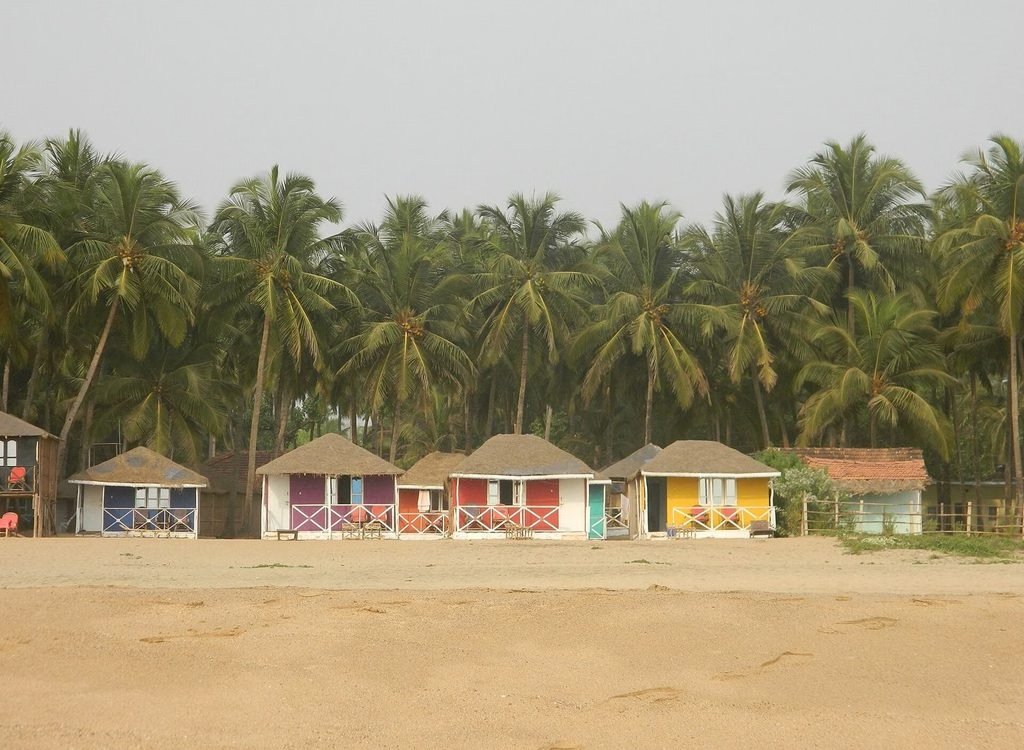
Photo: Sobarwiki, Wikimedia Commons, Public domain.
Agonda is much quieter than North Goa, a long, clean beach with a relaxed village behind it, perfect for calm solo beach stays. There are no big parties or crowds, just beach huts, simple shacks, yoga spaces and long walks on the sand, so it suits you if you want to rest, read and reset rather than party. The beach is wide and peaceful, and South Goa in general is considered comfortable for solo female travellers, but the beach gets very empty at night, so avoid walking alone in dark stretches. The best time is November to March. The monsoon is very rough here, and most huts and shacks close in that season. Part of the beach is a turtle nesting site, which is one reason it has stayed peaceful.
Spend your days on the beach, join a yoga class, and walk to the ends of the bay at sunset. Nearby you have Palolem, with more cafes and a livelier vibe, Butterfly Beach and Honeymoon Beach, which you can reach by boat or trek, and the Cabo de Rama fort with its views over the sea. Cola Beach with its lagoon and the Cotigao Wildlife Sanctuary are good day trips too. Stays are beach huts, guesthouses and homestays in the village. Practical tip: rent a scooter to explore South Goa, and respect the turtle nesting rules on the beach. If you want to compare it with the quieter beaches in the north, read my guide to Keri Beach at the northern tip of Goa and my list of the best beaches in North Goa.
22. Alleppey, Kerala
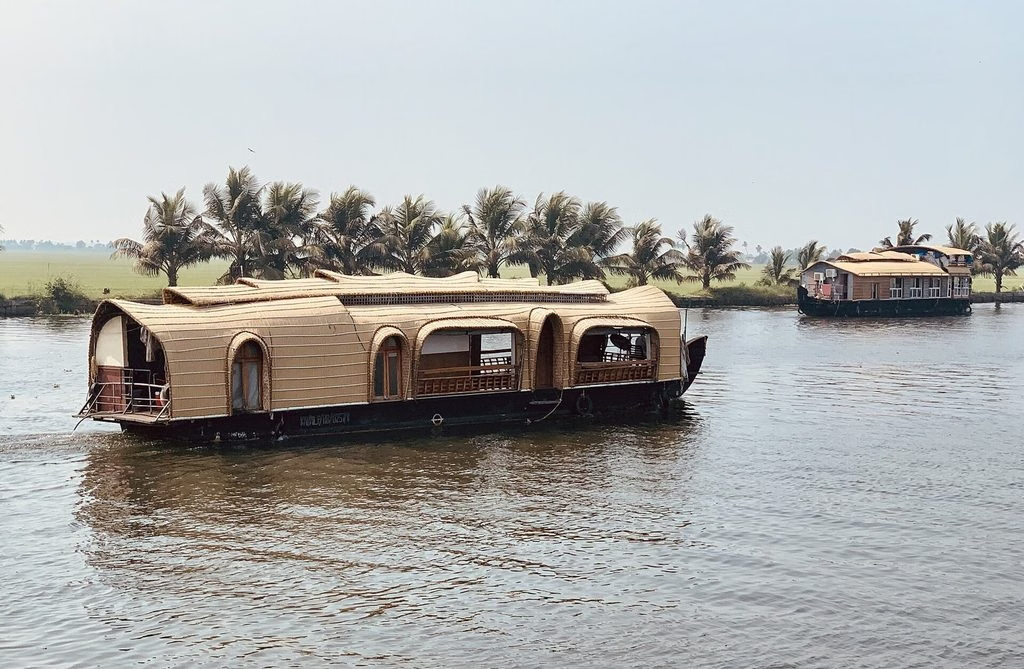
Photo: Paul Arps from The Netherlands, Wikimedia Commons, CC BY 2.0.
Alleppey, or Alappuzha, is the gateway to the Kerala backwaters, a network of lakes, canals and rivers lined with coconut palms, paddy fields and small villages. It is a slow, peaceful place, and as a solo traveller it lets you see village life up close, on the water and on the roads along it. You do not need a big group for the backwaters either, there are plenty of shared and public options. Kerala is generally considered safe, including for solo female travellers, and locals are helpful, though it is best to avoid isolated canal paths after dark. The best time is roughly September to March, when the weather is pleasant. The monsoon makes everything very green, but it rains heavily.
The classic experience is a houseboat ride, but alone you can also take a shikara or a canoe through the narrow canals, where the big houseboats cannot go, or the public ferry towards Kottayam for the local way of seeing the backwaters. Cycling along the backwaters and the paddy fields of Kuttanad is another peaceful way to explore. Alleppey Beach and the old pier are good for an evening walk, Marari Beach nearby is quiet, and the Nehru Trophy Snake Boat Race on Punnamada Lake in August is worth timing your trip for. Stays are homestays on the backwaters, guesthouses and hostels in town. Practical tip: a backwater homestay is often better than a houseboat for solo travellers, you get home food and real conversations.
23. Bir Billing, Himachal Pradesh
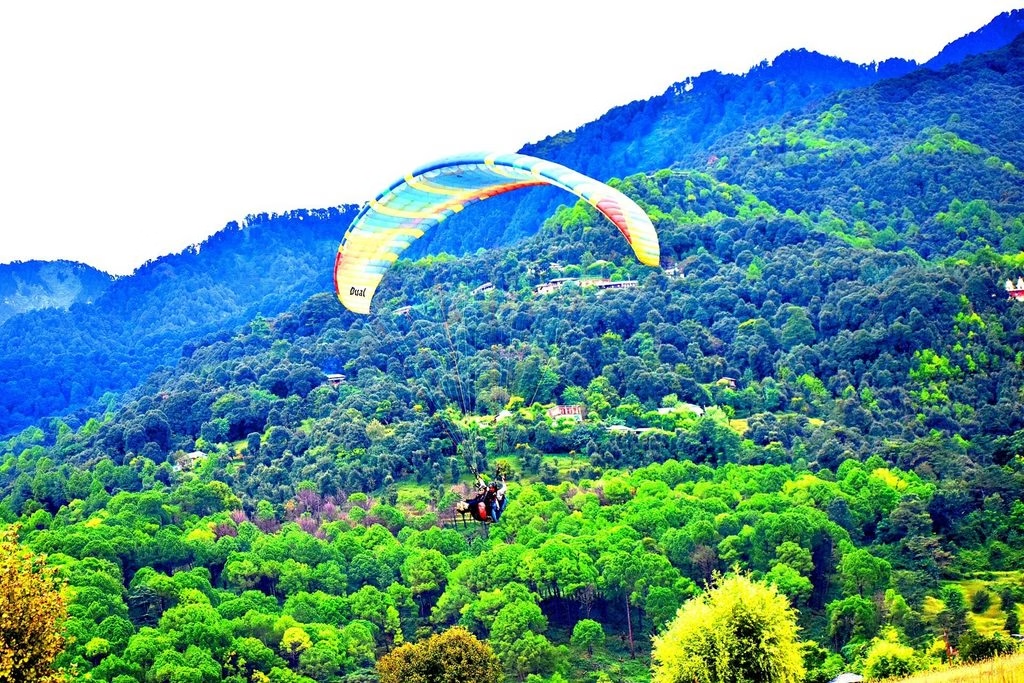
Photo: Panchkaranvarun, Wikimedia Commons, CC BY 4.0.
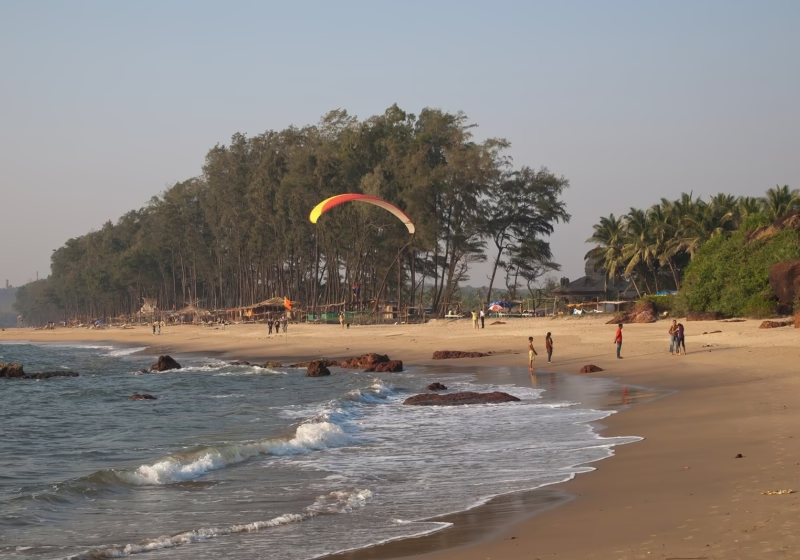
Bir Billing is known as the paragliding capital of India. You take off from Billing, high on the hills, and land at Bir in the valley, and the site has hosted international competitions including the Paragliding World Cup. But it is not just for adrenaline lovers. Bir itself is a peaceful little place with a Tibetan colony, monasteries, Tibetan cafes and a growing creative crowd, so it is easy to slow down or meet other travellers. It is considered safe, including for solo female travellers, and the small size makes it easy to navigate, though forest roads are dark at night. The flying season is roughly spring and autumn, depending on the weather. The monsoon stops flying, and winter is cold but clear.
Take a tandem paragliding flight with a registered operator and a certified pilot, and watch the gliders landing in the evening even if you are not flying. Walk around the Tibetan colony and monasteries like the Chokling monastery, visit the tea gardens, and do short treks around the area, or the longer trek up to Billing and beyond to Rajgundha. Baijnath Temple and the Sherabling monastery are close by. Stays are hostels, homestays and campsites, and the hostels here are known for their social vibe. Practical tip: check your operator’s registration and the weather before you fly, and do not fly if the pilot says conditions are not good, it is not worth the risk.
24. Mahabalipuram, Tamil Nadu
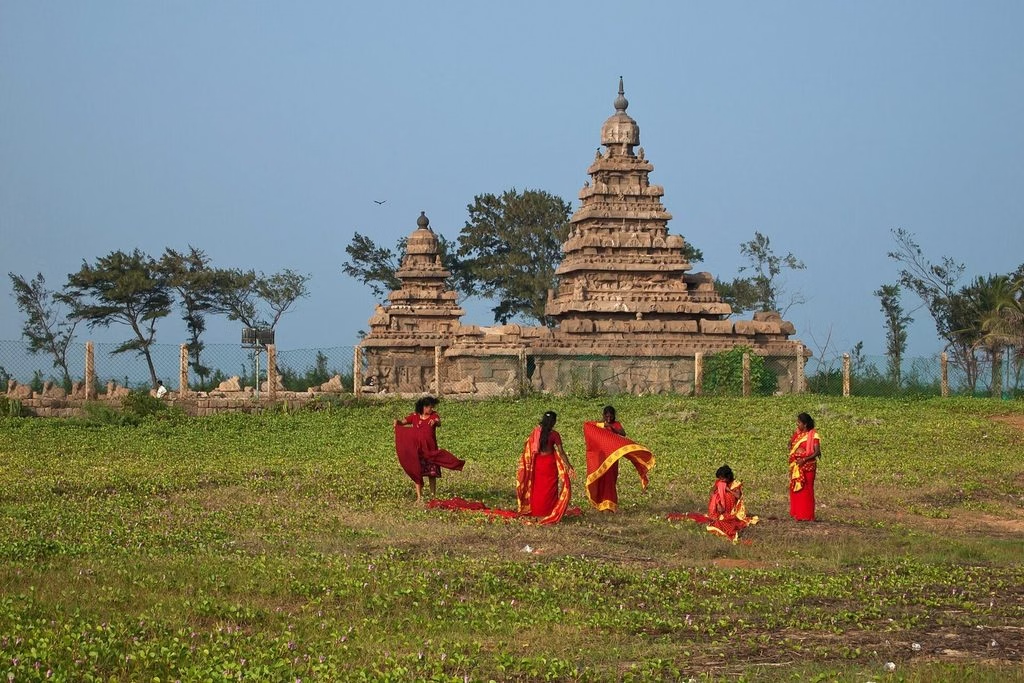
Photo: Vyacheslav Argenberg, Wikimedia Commons, CC BY 4.0.
Mahabalipuram, or Mamallapuram, is a small seaside town south of Chennai famous for its Pallava-era rock-cut monuments, which are a UNESCO World Heritage Site. It is a great solo trip because it combines history, beach and a laid-back vibe in one small, easy-to-walk town, and you can see a lot in a couple of days at your own pace. The town is used to travellers, with cafes and guesthouses near the beach, and it is generally safe, including for solo female travellers, though the beach is best avoided late at night. The best time is November to February, when the weather is pleasant. Summer gets very hot, and the northeast monsoon brings rain around October to December.
See the Shore Temple standing right by the sea, the Pancha Rathas carved from single rocks, the huge Arjuna’s Penance rock carving and the balancing rock called Krishna’s Butter Ball. The cave temples and the lighthouse give you a view over the town and the sea. After that, the laid-back vibe takes over, with beach cafes, stone carving workshops where you can watch sculptors at work, and quiet solo beach time. Surfing at nearby Kovalam and the DakshinaChitra heritage museum on the way to Chennai are nice additions. Stays are guesthouses, homestays and hostels close to the beach. Practical tip: start the monuments early in the morning, there is little shade and the stone gets very hot by noon.
25. Sarnath, Uttar Pradesh
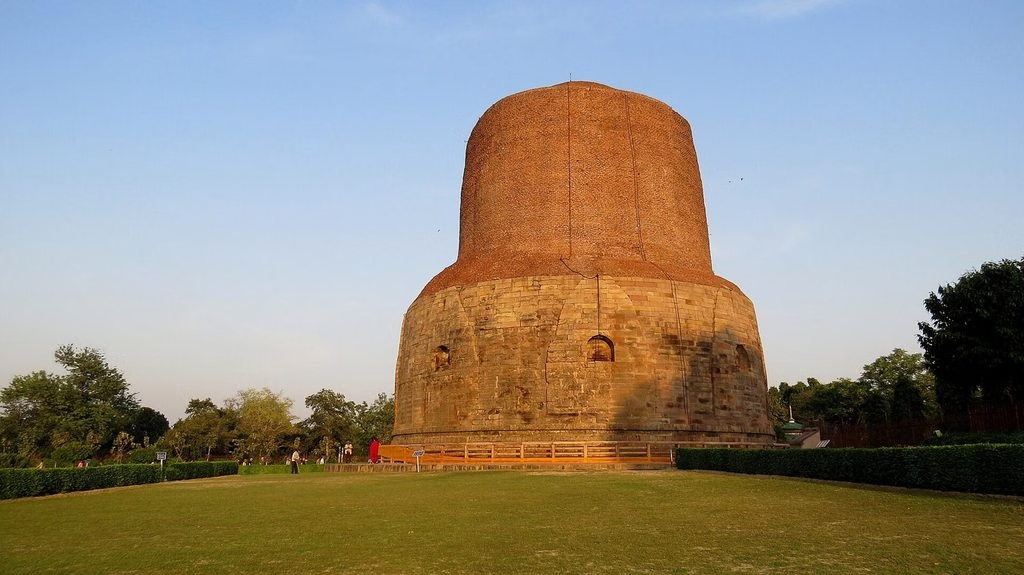
Photo: Preeti Prajapati, Wikimedia Commons, CC BY-SA 4.0.
Sarnath, just outside Varanasi, is where the Buddha gave his first sermon after enlightenment, which makes it one of the most important Buddhist sites in the world. After the noise and intensity of Varanasi, Sarnath feels like stepping into a quiet garden, green, calm and spiritual. It is a perfect place to be alone, to sit, think and reflect, and a nice way to end a solo trip. It is a small, well-kept area with pilgrims from many countries, and it is considered safe, including for solo female travellers, though it is best visited during the day. The best time is October to March, same as Varanasi. Buddha Purnima is a special time to visit, while summer is very hot.
See the Dhamek Stupa, which marks the spot of the first sermon, and the ruins of old monasteries and the Ashoka pillar around it. The Sarnath Museum has the Lion Capital of Ashoka, India’s national emblem, and some beautiful Buddhist sculpture. Visit the Mulagandha Kuti Vihar with its murals, and the monasteries built by different Buddhist countries like Thailand, Japan, Tibet and Sri Lanka, each with its own style. Sit quietly in the deer park, which is linked to the Buddha’s time here. Most people stay in Varanasi and visit Sarnath for a day, though there are a few guesthouses and monastery stays nearby. Practical tip: check the museum’s closing day before you go, and dress modestly at the temples.
Most of these places can be done alone without any stress, and each one will teach you something different about India and about yourself. Pick one that matches your mood, start small if it’s your first solo trip, and keep the rest of the list for later. If you are starting from Mumbai, my guides to Alibaug and Khandala make good short solo trips. And if you want help putting your own solo route together, this is how I can help.
I plan the route. I don’t book the ferry, the stay, or the tickets. A custom plan is Rs. 200 per travel day. Fill the trip form, pay online, and I’ll send you the plan.