 By
Everyone knows the Maldives from one photo: a private villa on stilts over a lagoon, with a price tag to match. That photo is real, but it is not the only Maldives. A short boat ride from the same blue water, people live on inhabited islands with harbour jetties, sandy village streets, guesthouses, a marked tourist beach and a mosque at the centre of town.
I have just built a 5-day Maldives honeymoon itinerary, and while researching it I kept coming back to this other side of the country: the local islands, where solo travellers and budget backpackers actually stay. So here is a clear look at Maafushi and the Maldives local islands on a budget, what they feel like, the rules you need to respect, and which islands I would pick first.
Why Maldives local islands on a budget feel so different
For a long time, Maldives tourism was built on a simple idea: one island, one resort. A whole island was given over to a single resort, and most visitors never set foot in a real village. That picture is still the famous one. Then the government published the Maldives Guesthouse Regulation, which came into effect on 15 January 2010, and tourists were allowed to stay in guesthouses on inhabited islands. Visit Maldives, the official tourism body, now groups places to stay into resorts, hotels, guesthouses and liveaboards, and it says the guesthouse industry has grown fast, especially in the greater Male region.
A guesthouse stay is not a cheaper copy of a private resort. You share the island with a living community. You can walk to a cafe, book a sandbank or snorkel trip, eat local short eats, called hedhikaa, with a cup of tea, and still swim in that famous Maldives blue. The difference is that you are a guest in someone’s hometown, not on a sealed-off resort island. Visit Maldives also notes that scheduled ferries run from Male to many of the atolls, and speedboats cover the closer islands. Timings and prices change, so ask your guesthouse for the current options from Velana International Airport and Male rather than locking a plan to an old timetable.
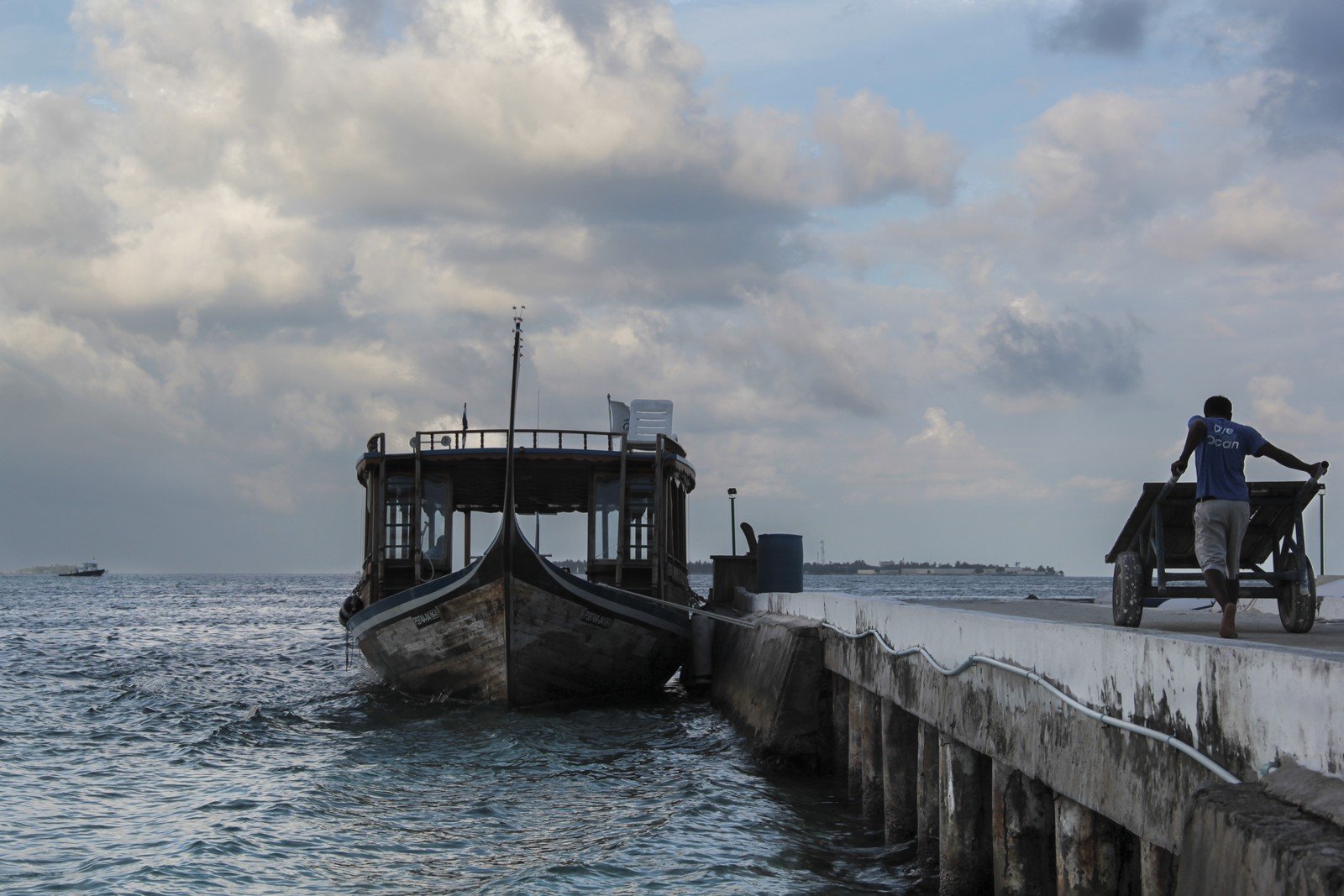
Local island etiquette: bikini beaches, dress and no alcohol
The Maldives is a Muslim country, and local islands follow community rules that do not apply in the same way on a private resort. Visit Maldives is clear on the three things that catch first-time visitors out.
First, dress modestly in the village, on the streets and in other shared public places. Covering shoulders and knees is the safe choice for both men and women. Swimwear belongs only on the designated tourist beach, often called the bikini beach. Maafushi has one; some smaller islands do not, so ask your guesthouse before you walk out in a swimsuit. The Ministry of Foreign Affairs also says nudity and topless sunbathing are prohibited everywhere in the Maldives, including on resort islands.
Second, alcohol is not allowed on local islands. Visit Maldives says a local island community “does not allow alcohol”, and that alcohol and pork are forbidden in guesthouses and hotels on those islands. Travellers are also not permitted to import alcohol into the country. Alcohol is available at resorts. If a drink with dinner is a big part of your holiday, this is a real difference, not a small footnote.
Third, food on local islands is Halal. That is not a problem for most travellers. The fish is excellent, and you will find garudhiya, the classic Maldivian fish soup, served with rice, plus plenty of cafe food and king coconut by the beach. Just do not expect pork on the menu. Keep music and beachwear for the marked tourist beach, be quiet around mosques, and remember you are walking through someone’s hometown, not a hotel garden.
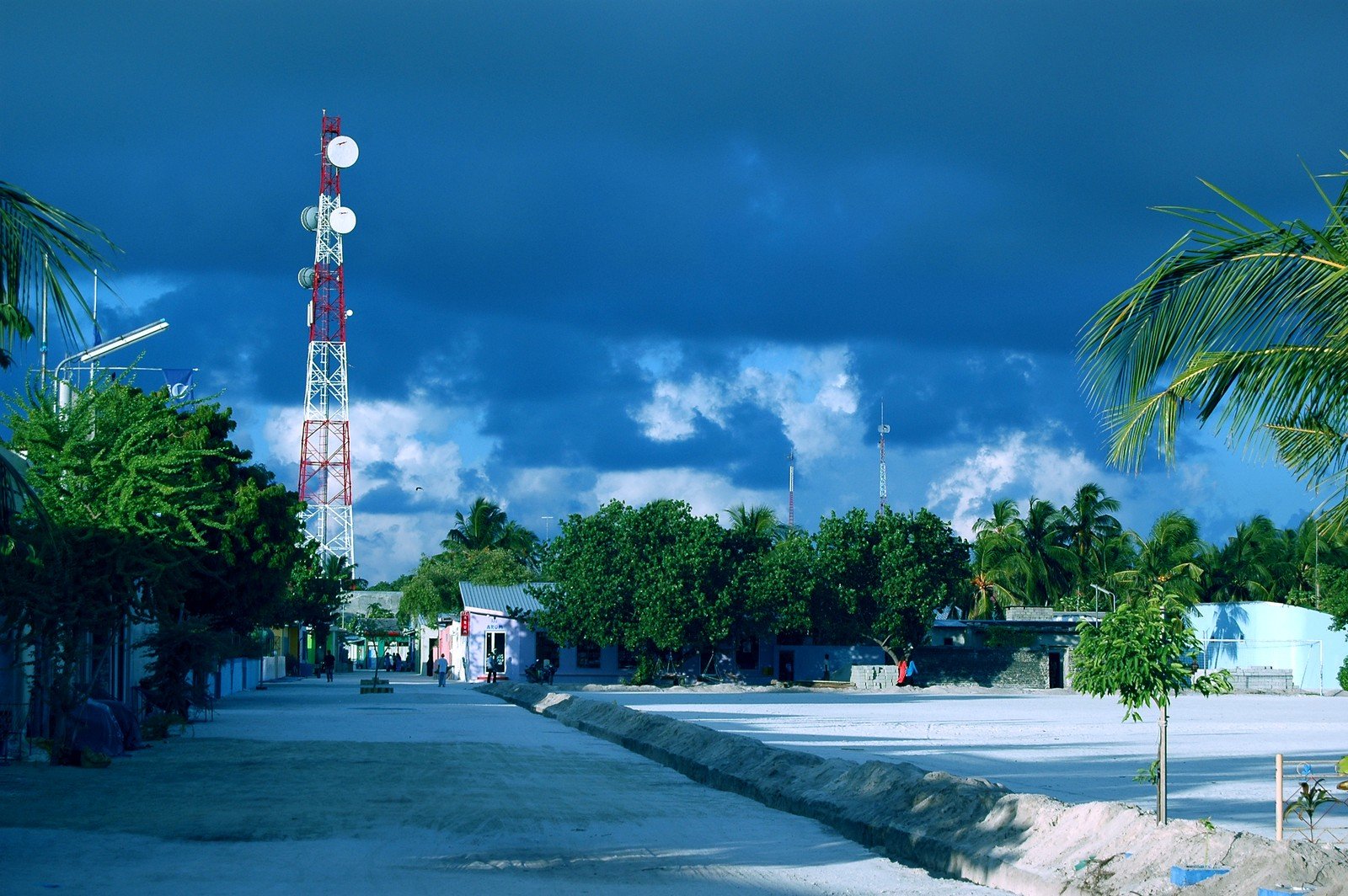
The best Maldives local islands on a budget
I have counted these down to the one I would send a first-time solo traveller or backpacker to first. All five are inhabited local islands with guesthouses, not private resorts.
5. Ukulhas: The Clean, Quiet Island in North Ari
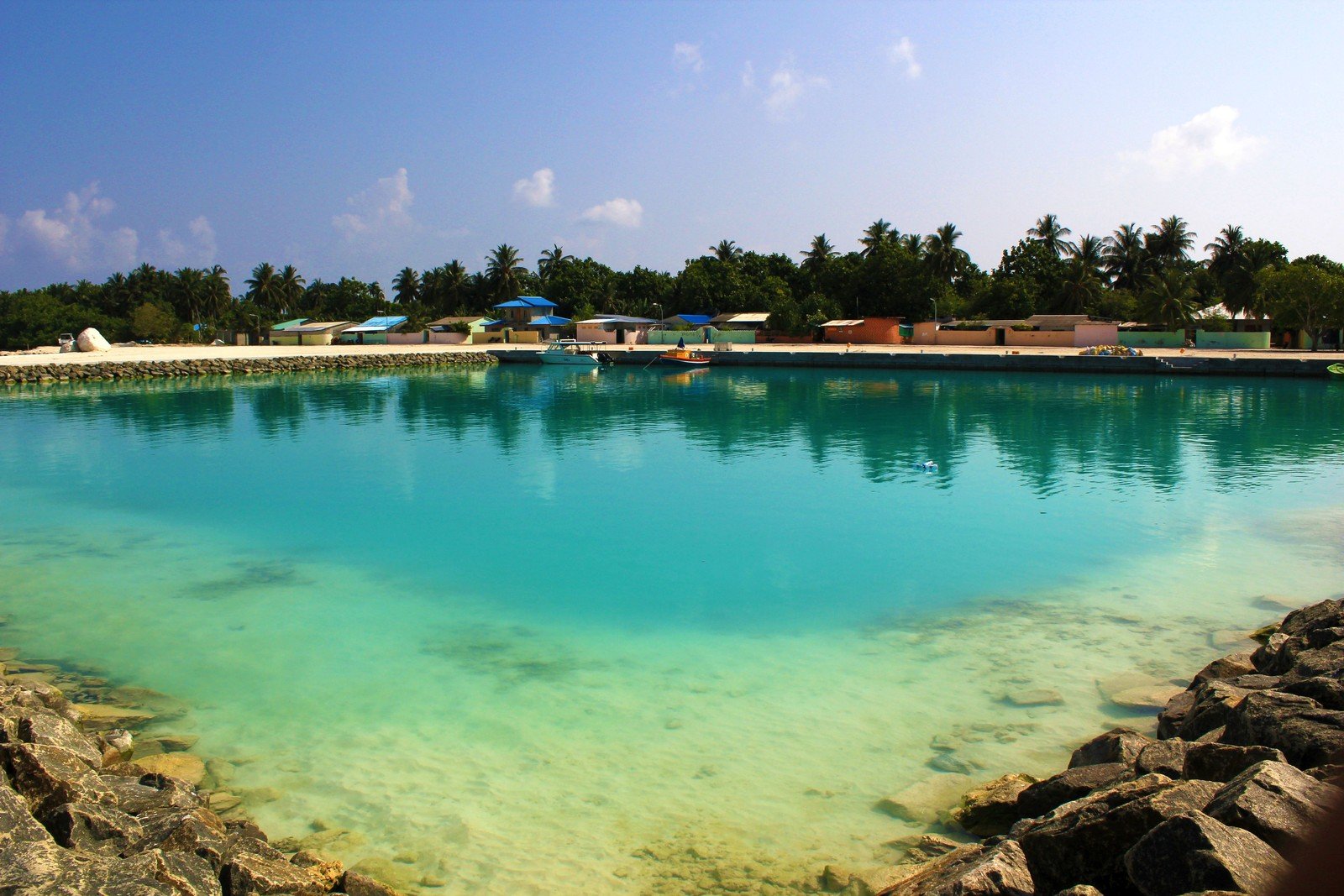
Ukulhas is an inhabited island in Alif Alif Atoll, also called North Ari, about 72 km west of Male. It is a small oval of coral sand, about 1,025 metres long and 225 metres wide, and the 2022 census put its population at 1,284. What it is famous for is not nightlife. Ukulhas is known for its cleanliness and for running a systematic waste system, and it is often described as the first island in the Maldives to manage its waste this way. In 2014 it received a Green Leaf award for that work.
Guesthouse tourism here formally began on 15 November 2012, so it is not as old a backpacker base as Maafushi, and it still feels quieter. You come for the clear lagoon, a slower village pace and an island that takes pride in looking after itself. If you like a little history, the island’s oldest mosque, Kudamiski’y, was built in 1656 during the reign of Sultan Ibrahim Iskandar. To get the location, click here.
4. Fulidhoo: A Tiny Island in Vaavu Atoll
Fulidhoo is the northernmost inhabited island of Vaavu Atoll, about 56 km south of Male. It is genuinely small: about 675 metres long and 200 metres wide, with a land area of around 11 hectares, and the 2022 census counted about 400 people. It has a large lagoon that is used as a natural harbour, and Wikipedia notes that the island is known for Maldivian cultural events such as Langiri, a traditional dance with drums, and Thaara.
This is the island I would pick if Maafushi feels too busy and you want a short, quiet stay with sandbank trips close by. Guesthouses organise boat trips to nearby sandbanks for swimming, snorkelling and a picnic on a ribbon of white sand. Fulidhoo also sits in the same atoll as the wilder Vaavu channels I have already written about in my top 10 places to visit in the Maldives, so it works as a small local-island base if you like the idea of Vaavu but want to sleep in a village, not on a resort. To get the location, click here.
3. Thulusdhoo: Surf, a Coca-Cola Plant and the Capital of Kaafu
Thulusdhoo is the capital of Kaafu Atoll and sits in North Male Atoll, about 27 km northeast of Male. The island is about 1.58 km long, and the 2022 census put its population, including foreigners, at 1,801. It is a real administrative island, not just a surf camp, and it has an unusual landmark for the Maldives: a Coca-Cola bottling plant run by Male’ Aerated Water Company, Coca-Cola’s bottling partner in the country.
The plant is also how the island’s most famous wave got its name. Cokes is a right-hand reef break that works over a shallow reef beside Thulusdhoo, and it is a wave for intermediate and advanced surfers, not a soft beach break for absolute beginners. Across the channel, a short boat ride away, is Chickens, a long left-hand reef break. The usual surf season runs from about March to October, often peaking between June and August, which overlaps the wetter southwest monsoon, so you trade bigger swell for a higher chance of rain and wind. Even if you do not surf, guesthouses here also run sandbank and snorkel trips, and the island has the same modest dress rules as the rest of the local islands. To get the location, click here.
2. Dhigurah: The Long Island in South Ari
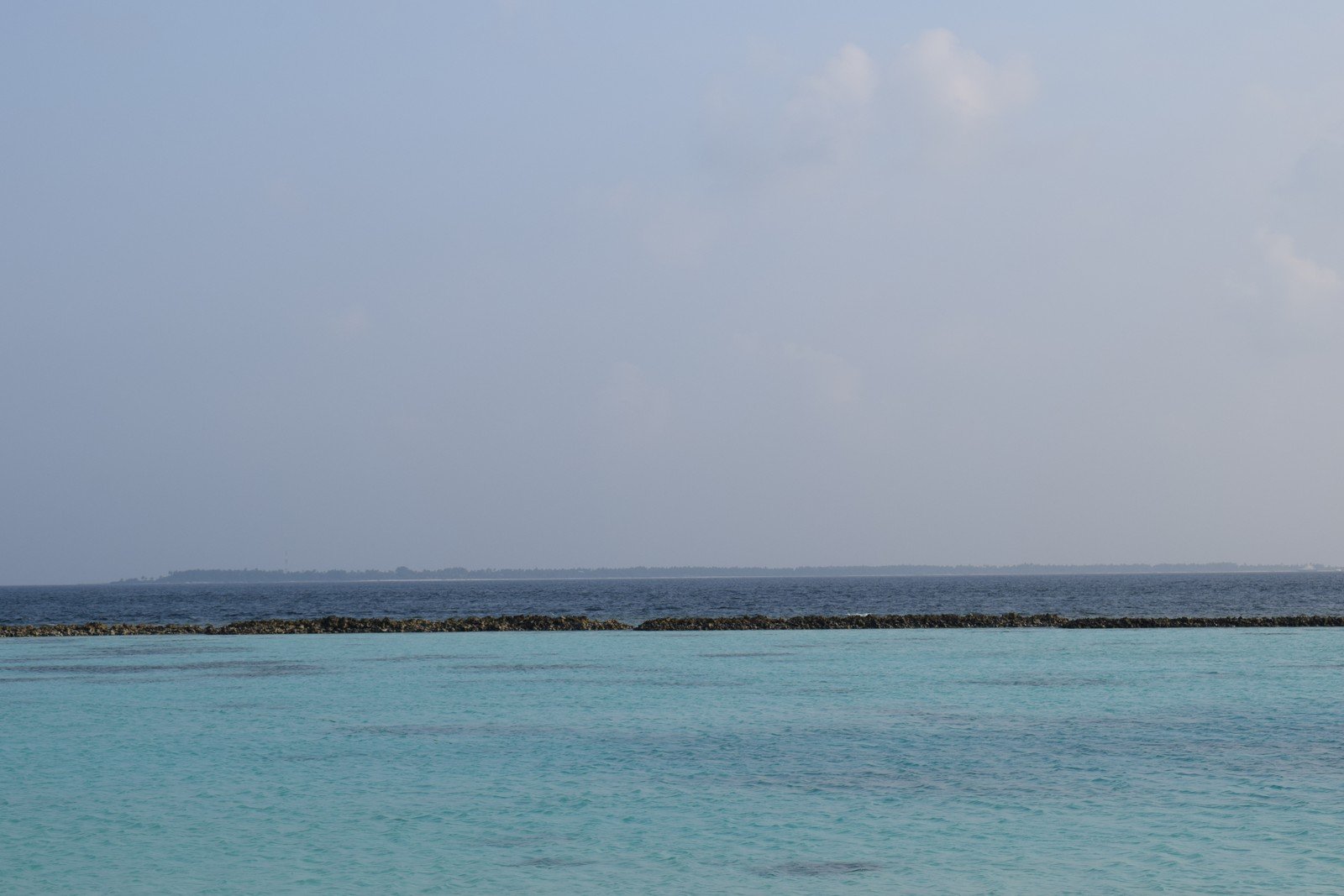
Dhigurah is one of the inhabited islands of Alif Dhaal Atoll, better known as South Ari, about 97 km southwest of Male. The island itself tells you why people love it: it is about 3.175 km long and only about 275 metres wide, a thin strip of village, trees and beach. The 2022 census counted 761 residents. Because it is so long and narrow, you get an unusually long stretch of beach for a local island, and the pace is slower than Maafushi.
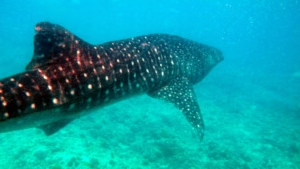
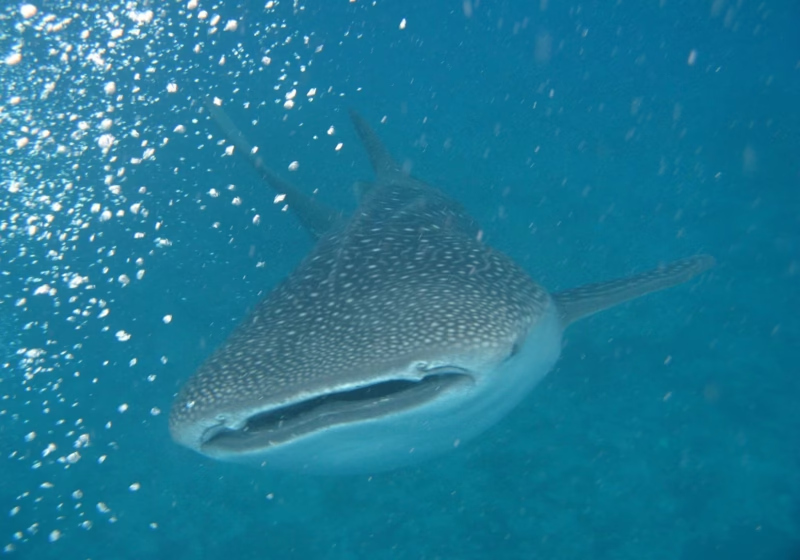
Dhigurah also sits close to the South Ari Marine Protected Area, one of the rare places in the world where whale sharks are seen all year. I have already written about that stretch of reef in my top 10 places to visit in the Maldives, so I will not repeat it here. Come to Dhigurah for the long beach, the quiet village and the boat trips, and treat any big marine life as a bonus, never a guarantee. To get the location, click here.
1. Maafushi: The Best First Stop for Budget and Solo Travellers
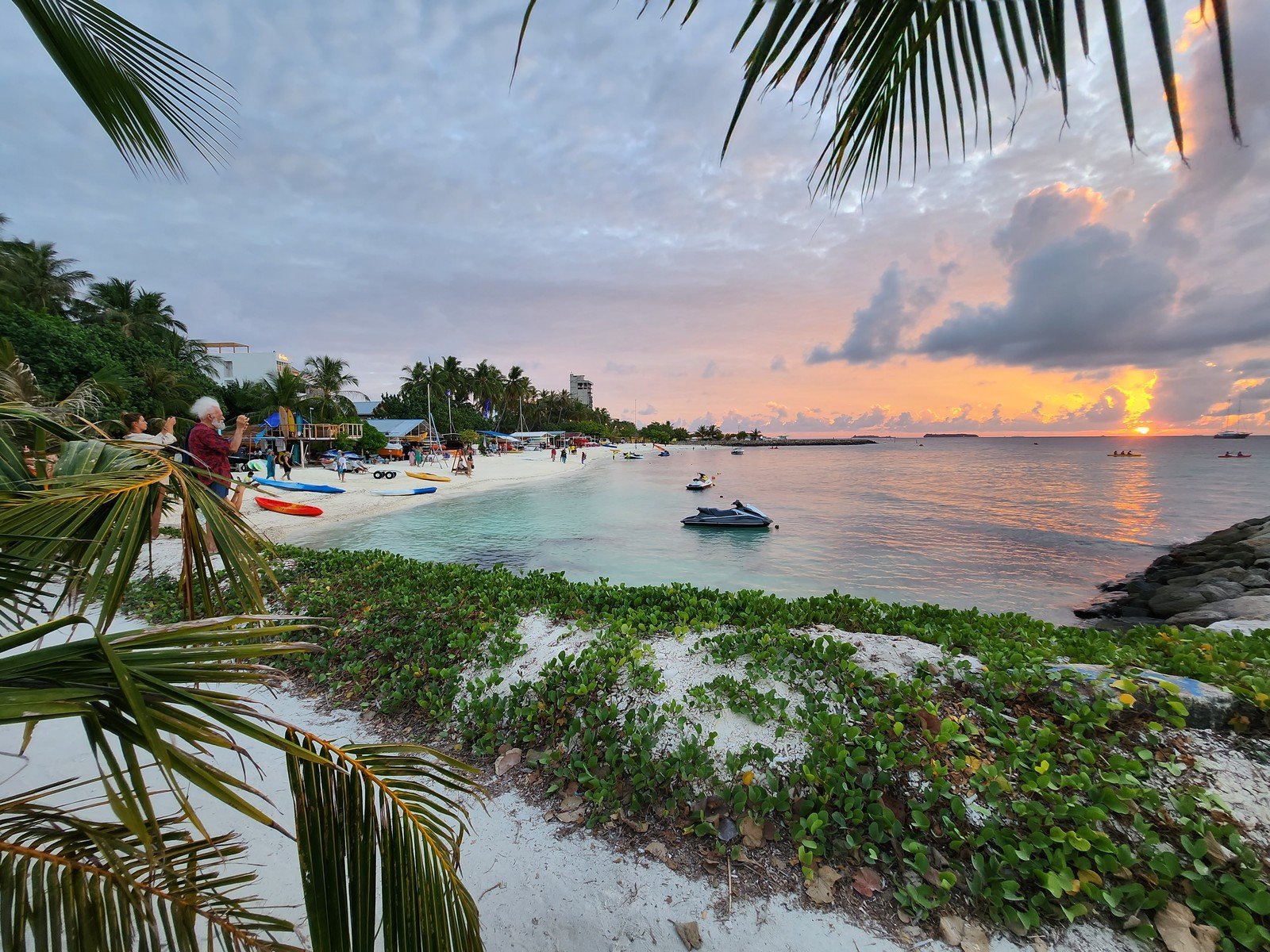
If you are coming to the Maldives local islands on a budget for the first time, start with Maafushi. It is an inhabited island in South Male Atoll, in Kaafu Atoll, about 26 km south of Male. It is only about 1.275 km long and 260 metres wide, and you can walk from one end to the other without rushing. Its closeness to Male and Velana International Airport is exactly why it became the country’s best-known guesthouse island. It has long been the local island with the most guesthouses and guest beds outside the capital.
That also means it is the busiest of the five. You will hear other travellers, see souvenir shops and excursion desks, and share the designated tourist beach, often called bikini beach, with other visitors. That is the trade-off, and for a first trip I still think it is the right one: more guesthouse choice, more cafes, more snorkel, sandbank and dive trips, and a short hop from the airport. Walk the harbour, watch the dhoni boats come in, swim only at the marked tourist beach, and take at least one sandbank or snorkel trip. Once you leave that beach, cover up again. Maafushi was badly damaged in the 2004 Indian Ocean tsunami and has since been rebuilt; today it is a working town as much as a travellers’ base. To get the location, click here.
Sandbanks and snorkelling from the local islands
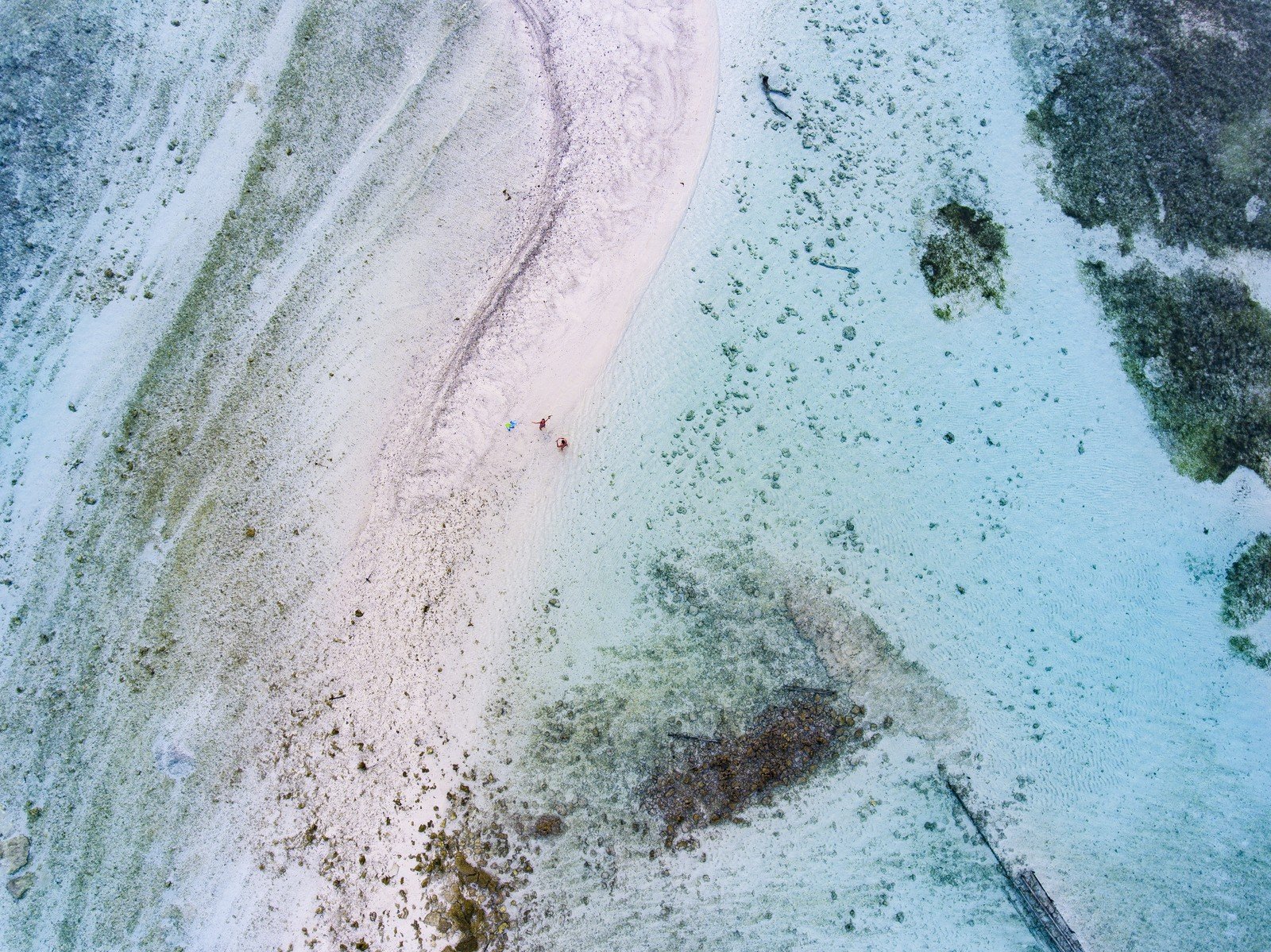
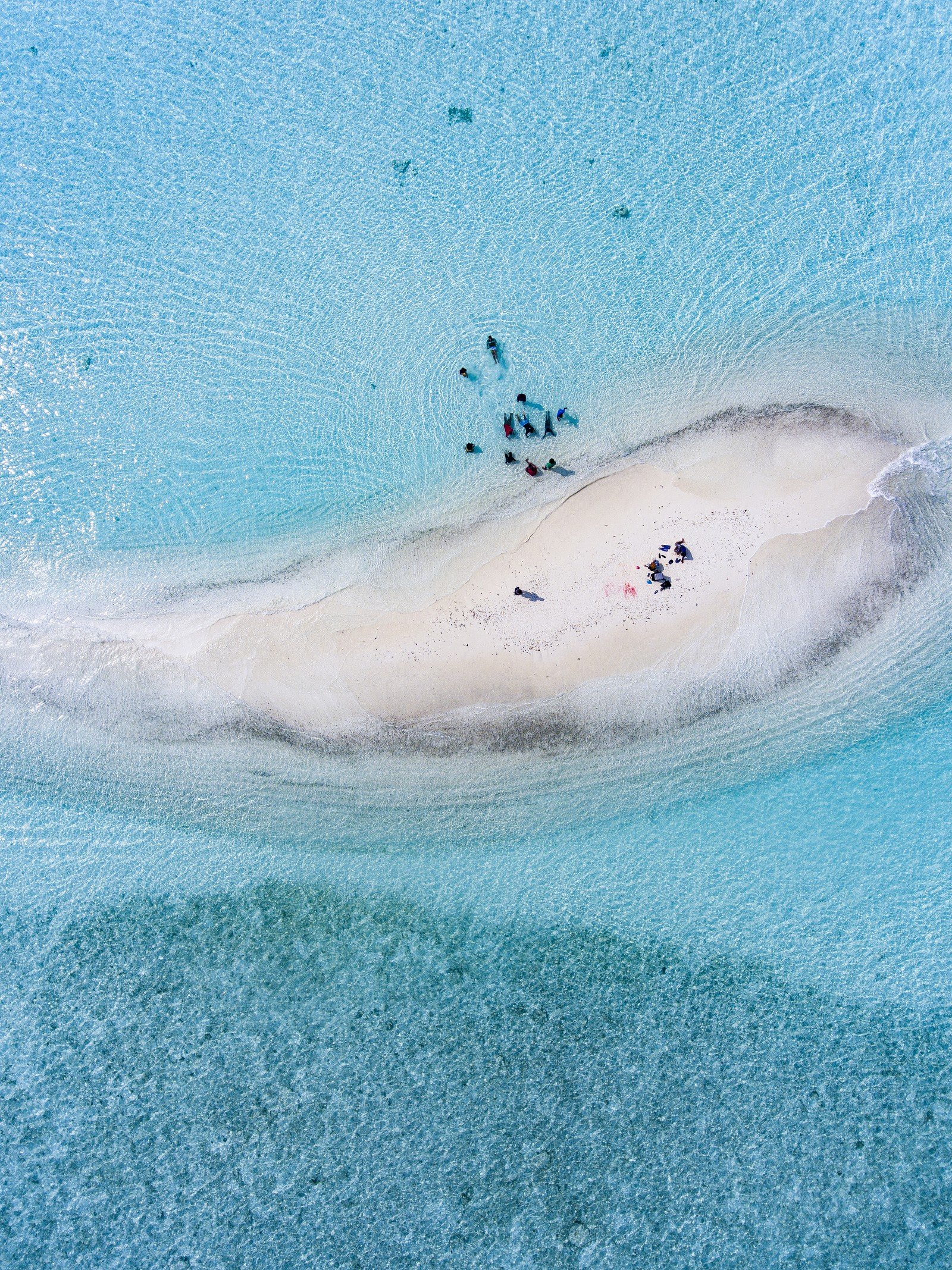
This is the part that surprises people who think only resorts get the postcard. Visit Maldives says guesthouses offer the same kinds of trips the resorts are known for: excursions to nearby islands and sandbanks, watersports, snorkelling and diving. A sandbank is a ribbon of white sand sitting in a lagoon, with clear water all around and almost no shade, so take sun protection and drinking water. The one in the photo below is off Guraidhoo, another inhabited local island in South Male Atoll, not far from Maafushi.
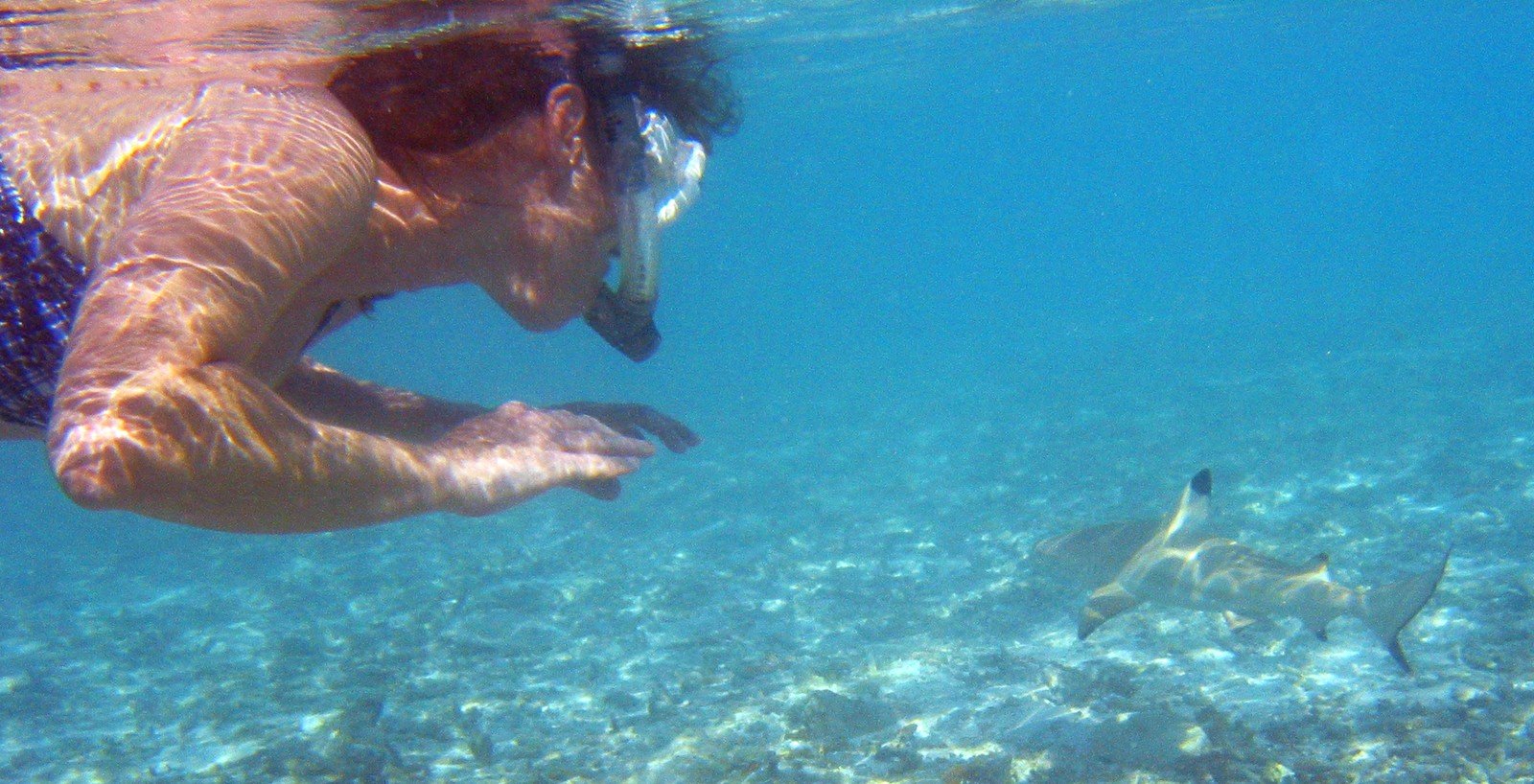
Under the water, even a simple reef snorkel in this part of the country can show you colourful fish, and sometimes reef sharks as well. The photograph below was taken at Fihalhohi in South Male Atoll, the same atoll as Maafushi, and it gives you a fair idea of what a calm snorkel here can look like. Never stand on coral, never touch or chase marine life, and use a reef-safe sunscreen, because what is on your skin ends up on the reef. Go with a local operator, listen to the briefing, and if you are not a confident swimmer, say so before you get in.
If you ever want the opposite of a budget snorkel, a splurge dinner at Ithaa Undersea Restaurant puts you 5 metres under the sea, with the reef swimming over the table instead of under your fins.
Best time to visit the Maldives local islands
Visit Maldives describes the climate as hot and tropical all year, with an average high of 31.5 degrees C and an average low of 26.4 degrees C. The southwest monsoon, from May to October, brings rain. The northeast monsoon, from November to April, is generally sunny. For beach days and calmer boat trips, those sunnier months are the more comfortable window. The wetter months can still be warm and often quieter, with short heavy showers, and they overlap the usual surf season at Thulusdhoo, from about March to October. Boats and snorkel trips can be cancelled when the sea is rough, so do not pack the trip so tight that you have no spare day.
A few local-island tips before you go
- Pack for the equator sun, even on cloudy days: cover up in the middle of the day, drink plenty of water and take a hat and waterproof sunscreen.
- Dress modestly in the village. Keep swimwear for the designated tourist beach, and ask your guesthouse which beach that is.
- Do not bring alcohol into the country, and do not expect it on a local island. The same goes for pork.
- A Green Tax is charged per person per day. Visit Maldives, checked on 15 November 2026, lists it as US$ 3 at local island guesthouses and hotels with 50 rooms or fewer, and US$ 6 at places with more than 50 rooms, and at resorts. The local currency is the Maldivian rufiyaa (MVR), and major credit cards are widely accepted.
- The electricity supply is 240 volts, so bring a suitable travel adapter if your plugs do not already fit.
- Never stand on coral, touch turtles or chase fish or sharks. Use a reef-safe sunscreen.
- Scheduled ferries and speedboats both run from the Male area, but timings change, so confirm the current options with your guesthouse.
FAQ
- Can you visit the Maldives on a budget by staying on local islands?
Yes. Since guesthouses were allowed on inhabited islands from 15 January 2010, solo travellers and backpackers have been able to stay on local islands such as Maafushi, Thulusdhoo, Dhigurah, Fulidhoo and Ukulhas, instead of booking a whole private resort.
- Can you wear a bikini on Maafushi and other local islands?
Yes, but only on the designated tourist beach, often called the bikini beach. In the village, dress modestly and cover shoulders and knees. Some islands do not have a designated beach, so ask your guesthouse.
- Is alcohol allowed on Maldives local islands?
No. Alcohol is not allowed on local islands, and you cannot import it into the country. It is available at resorts.
- Which Maldives local island is best for a first visit?
Maafushi is the best first stop for most solo travellers and budget backpackers, because it is close to Male, has the widest choice of guesthouses and trips, and has a marked tourist beach. If you want a quieter, longer beach, look at Dhigurah. If you surf, go to Thulusdhoo.
- What is the best time to visit the Maldives local islands?
November to April is generally the sunnier period. May to October brings more rain, though the weather stays warm, and this is the usual surf season at Thulusdhoo.
- Is it safe to travel solo to Maafushi and other local islands?
Yes. Many solo travellers stay on local islands, and the communities are used to guests. The main things to respect are the dress code, the bikini-beach rule and the ban on alcohol. As anywhere, use normal common sense at night and on boats.
- What is the difference between a Maldives local island and a resort?
A resort usually occupies a whole island on its own. A local island is an inhabited community with guesthouses, streets, a mosque and daily island life. You get culture and a lower bill, and you follow local rules on dress, beaches and alcohol.
Final Thoughts
The Maldives on a budget is not a compromise if what you want is the water, the sandbanks and a real island to walk around. Maafushi is the easy first base; Dhigurah, Thulusdhoo, Fulidhoo and Ukulhas each have their own pace once you know what you are looking for. Which local island would you pick first, the busy harbour at Maafushi or a quieter strip of beach in the atolls? Tell me in the comments. And if you are planning a solo trip closer to home, read my 25 best places for solo travel in India, or stay by the sea with my guide to the best beaches in North Goa. For the wider country, here are my top 10 places to visit in the Maldives.
If the Maldives is on your list and you want a ready plan for the days you have, use my 5-day Maldives honeymoon itinerary. You can just use it for your number of days, book from its links and go, with no planning worries. If you want a custom version for your own dates, CLICK HERE to start on the trip form.
I plan the route. I don’t book the ferry, the stay, or the tickets. A custom plan is Rs. 200 per travel day. Fill the trip form, pay online, and I’ll send you the plan.