 By
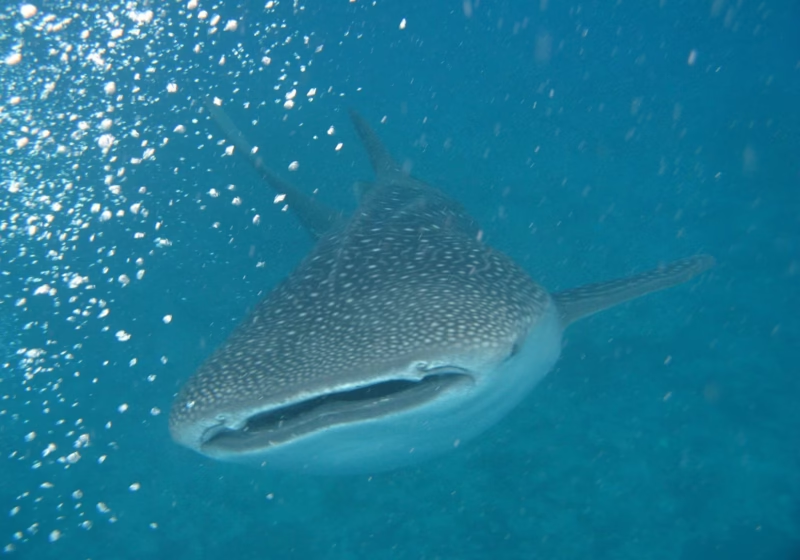
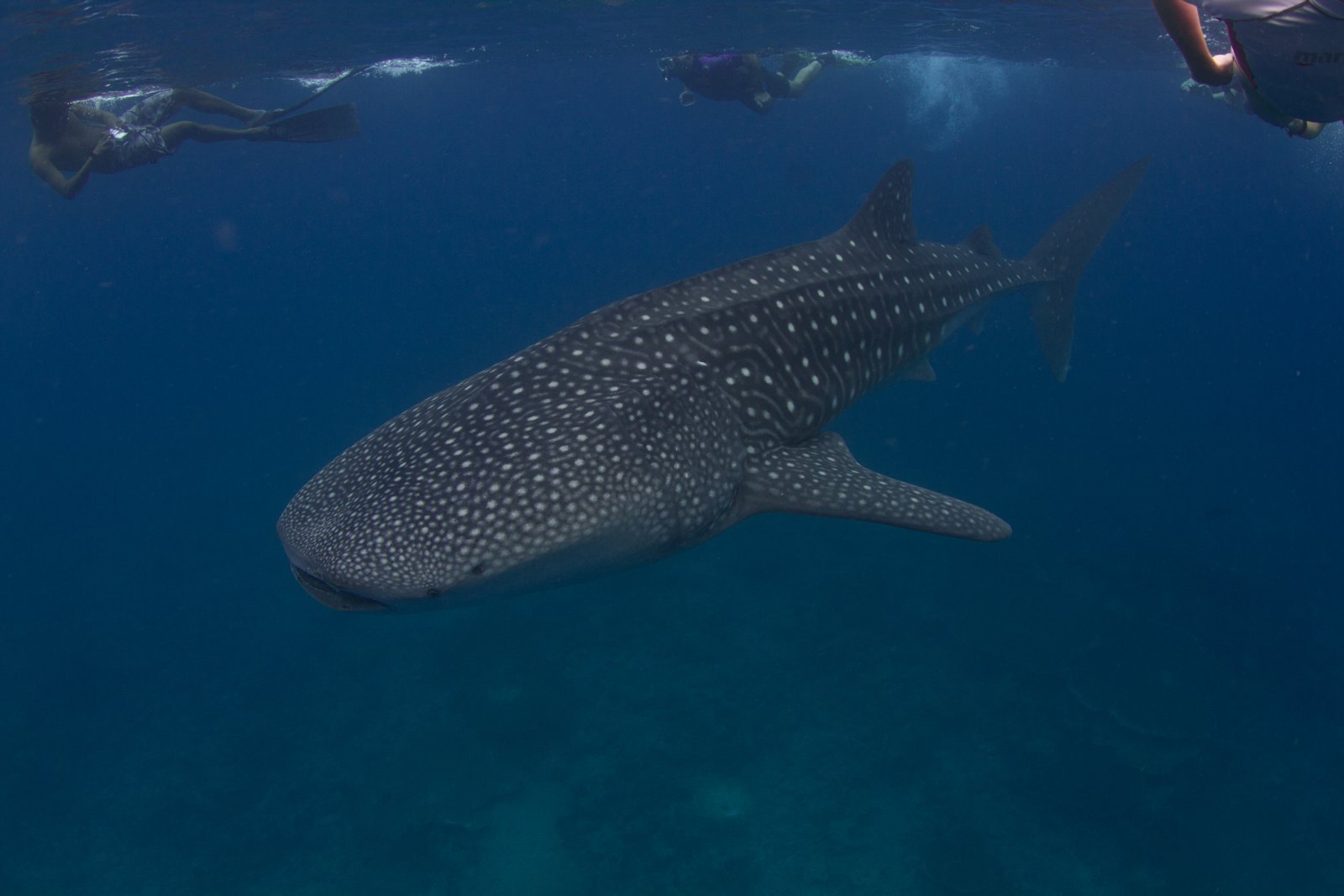
Picture this. You are floating face down in warm blue water off a reef in the Maldives, and a guide on the boat has just shouted and pointed. For a few seconds you see nothing but blue. Then a shape rises out of it, grey and covered in white spots like someone flicked paint at it, and it just keeps coming. The head passes you, then the gills, then the long body, and the tail is still somewhere back in the blue. That is a whale shark, the biggest fish in the sea, and the South Ari whale sharks of the Maldives give you one of the best chances on earth to meet one, in any month of the year.
I spent a lot of time on South Ari while building my 5-day Maldives honeymoon itinerary, and the more I read about these sharks, the more I felt they deserved a story of their own. In my top 10 places to visit in the Maldives I put this reef at No. 1. Here is why: where it is, why the sharks never leave, the people who know them by name and the rules that keep them coming back.
Where the South Ari whale sharks live
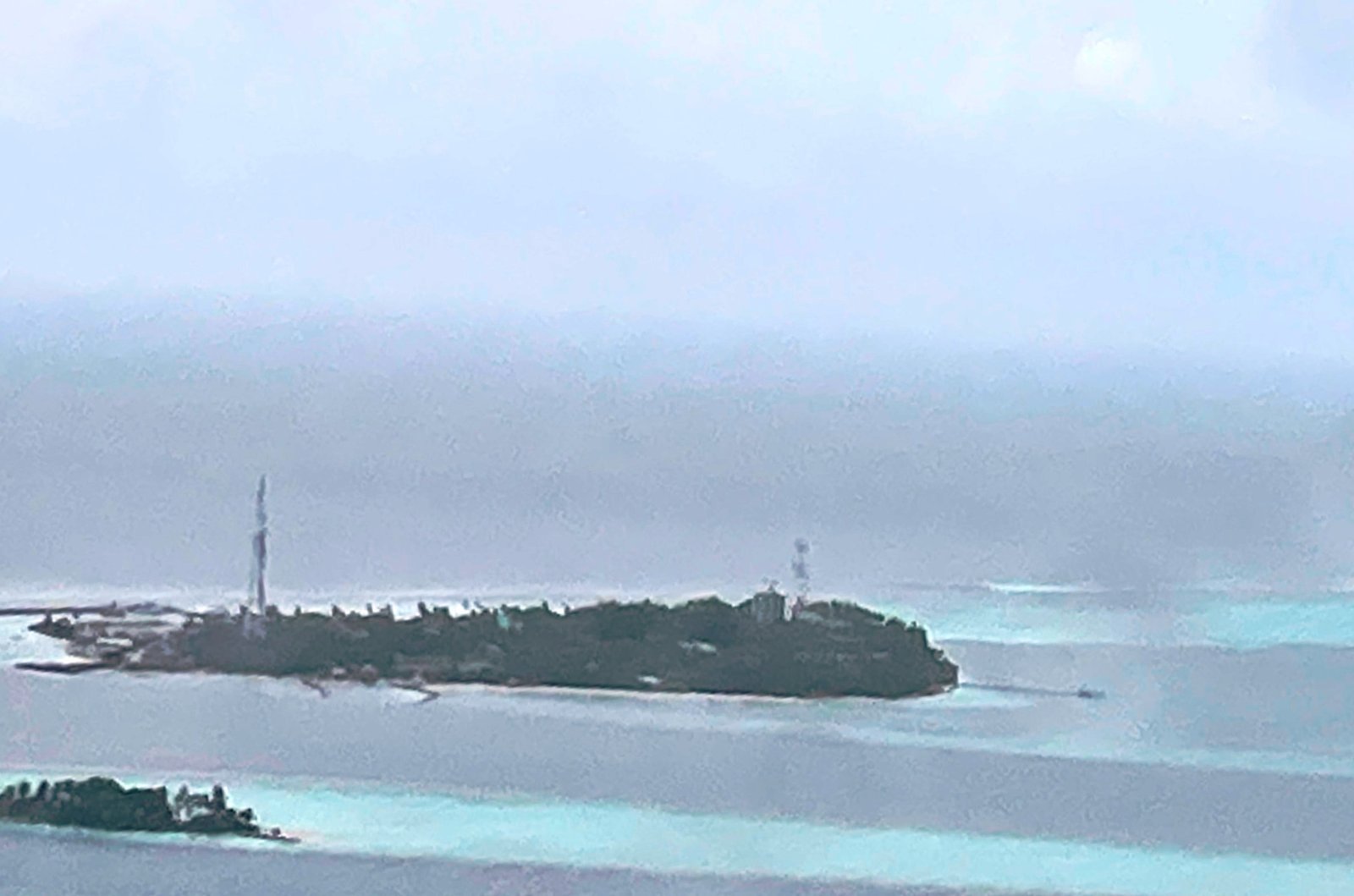
South Ari Atoll, called Alifu Dhaalu in the local Dhivehi language, sits west of Male in the middle of the Maldives. Along its southern outer edge runs the South Ari Marine Protected Area, usually shortened to SAMPA. The government protected it on 5 June 2009. It covers the strip that runs 1 km out to sea from the reef crest of every island between the southwest corner of the Rangali Island reef and the northern tip of the Dhigurah Island reef. On paper that sounds small and technical. In the water, it is roughly 42 square kilometres of reef edge and open blue, and it was one of three marine protected areas the Maldives declared that year, along with Hanifaru Bay in Baa Atoll.
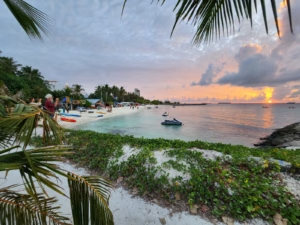
Along this edge you have the resort island of Rangali at one end, Dhigurah at the other and local islands like Maamigili in between, where fishing families have lived for generations. The reef drops away steeply here, and just outside the protected strip the water is more than 1,000 metres deep. Remember that depth, because it is the whole secret of this place. To see the area on the map, click here.
From oil barrels to a protected reef: the story
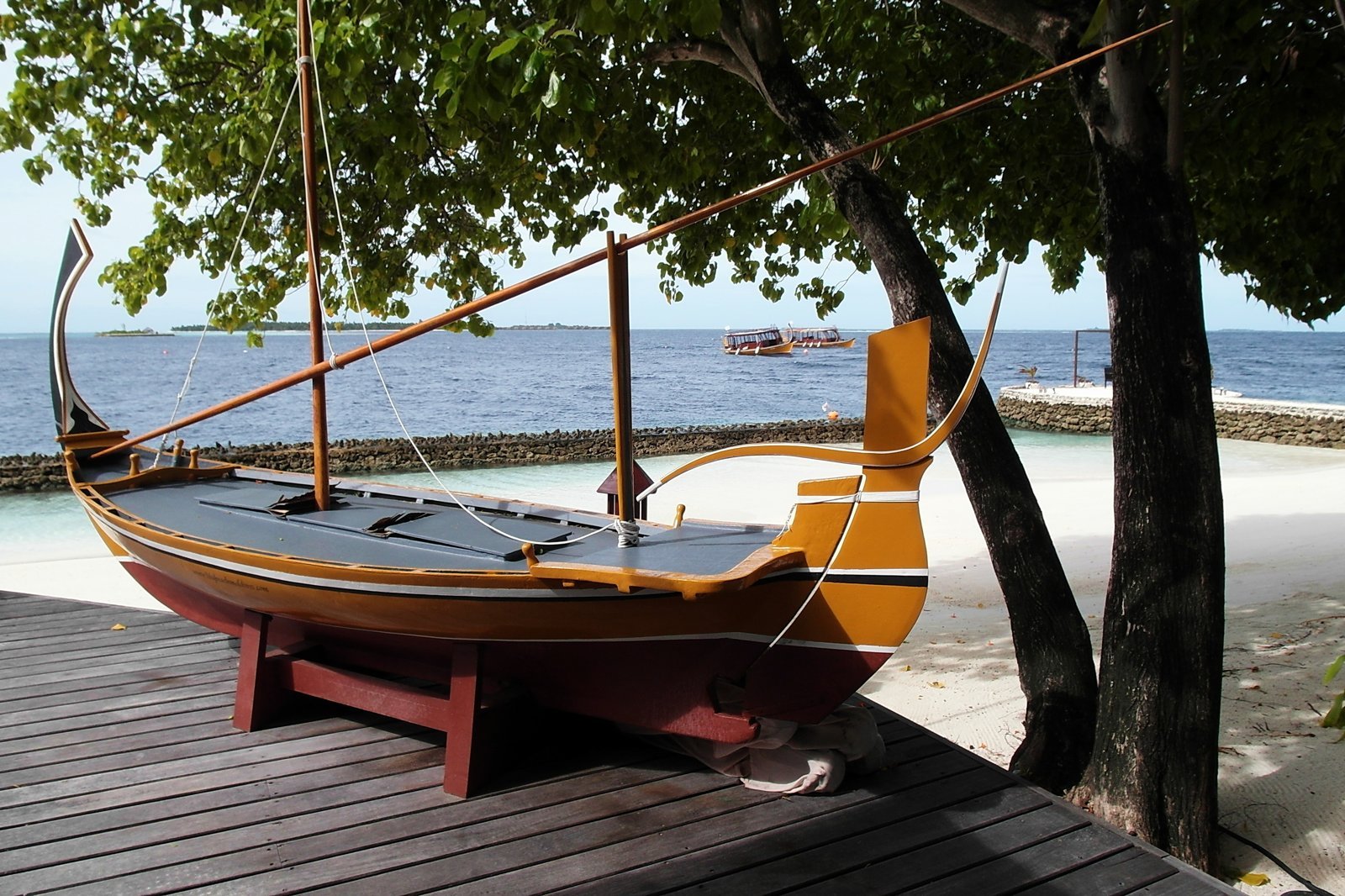
The Maldivians have a lovely name for the whale shark: fehurihi. But for a long time it was not a tourist star. Every Maldivian fishing boat, the dhoni, used to be made of wood, and every couple of weeks it was hauled up on the beach so its hull could be cleaned and painted with shark liver oil. To get that oil, fishermen used giant single hooks to catch the sharks with the biggest livers: large tiger sharks, sixgill sharks and whale sharks. According to a CITES proposal that quotes earlier fisheries research, fishers in the Maldives once took about 20 to 30 whale sharks a year, and the catches were already falling through the 1980s and early 1990s.
Then tourism changed the maths. In 1993 a study put a money value on reef shark diving in the Maldives for the first time, and the worry about protecting sharks led, step by step, to a national ban on whale shark hunting in 1995. Today the species is listed as protected under the country’s environment law, and it is illegal to hunt, harm, take or kill one. In 2009 came the protected area, and in 2025 an enforceable management plan finally put real rules on the boats and swimmers who come here every day.
Why the whale sharks stay in South Ari all year
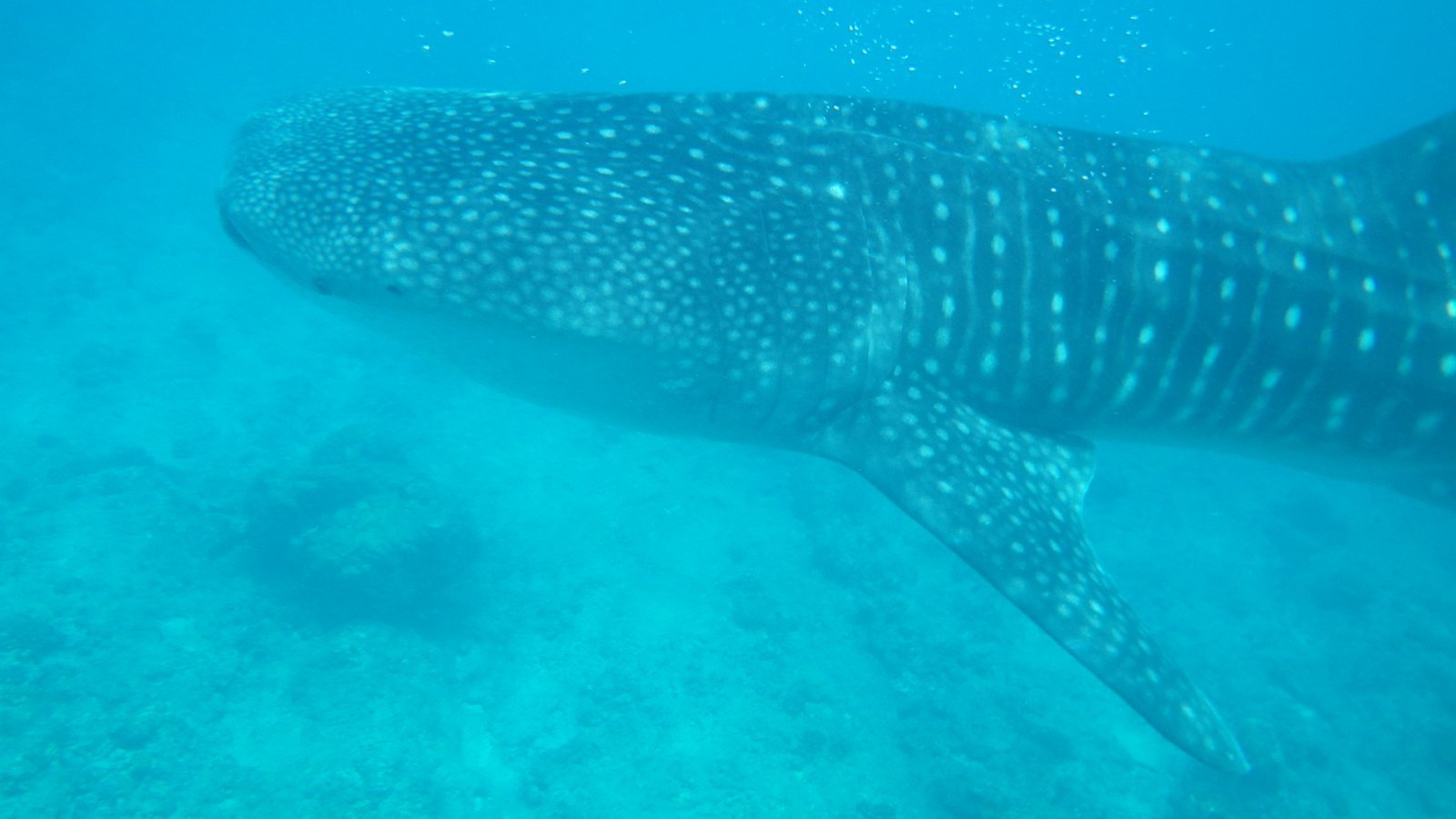
Here is the part that surprised me most. Around the world there are roughly 20 known whale shark hotspots, and most of them are seasonal: the sharks turn up for a few months when the food is there and then vanish. South Ari is one of the very few places where whale sharks are seen all year round, and two separate studies found no real seasonal peak in the number of sharks here. Researchers estimated that on average about 15 sharks are around at any given time, and that a shark keeps visiting for about four years.
So what keeps them here? The best answer so far is that deep water I told you to remember. Whale sharks have been recorded diving to at least 1,982 metres. Scientists think the South Ari sharks feed down in the cold deep water outside the reef and then come up to the warm, shallow reef edge to heat their bodies back up, a bit like us stepping into the sun after a cold swim. That is also why you so often see them cruising slowly near the surface here instead of feeding with their mouths wide open. Only about 16 percent of encounters in this area involve surface feeding.
A reef full of teenage boys
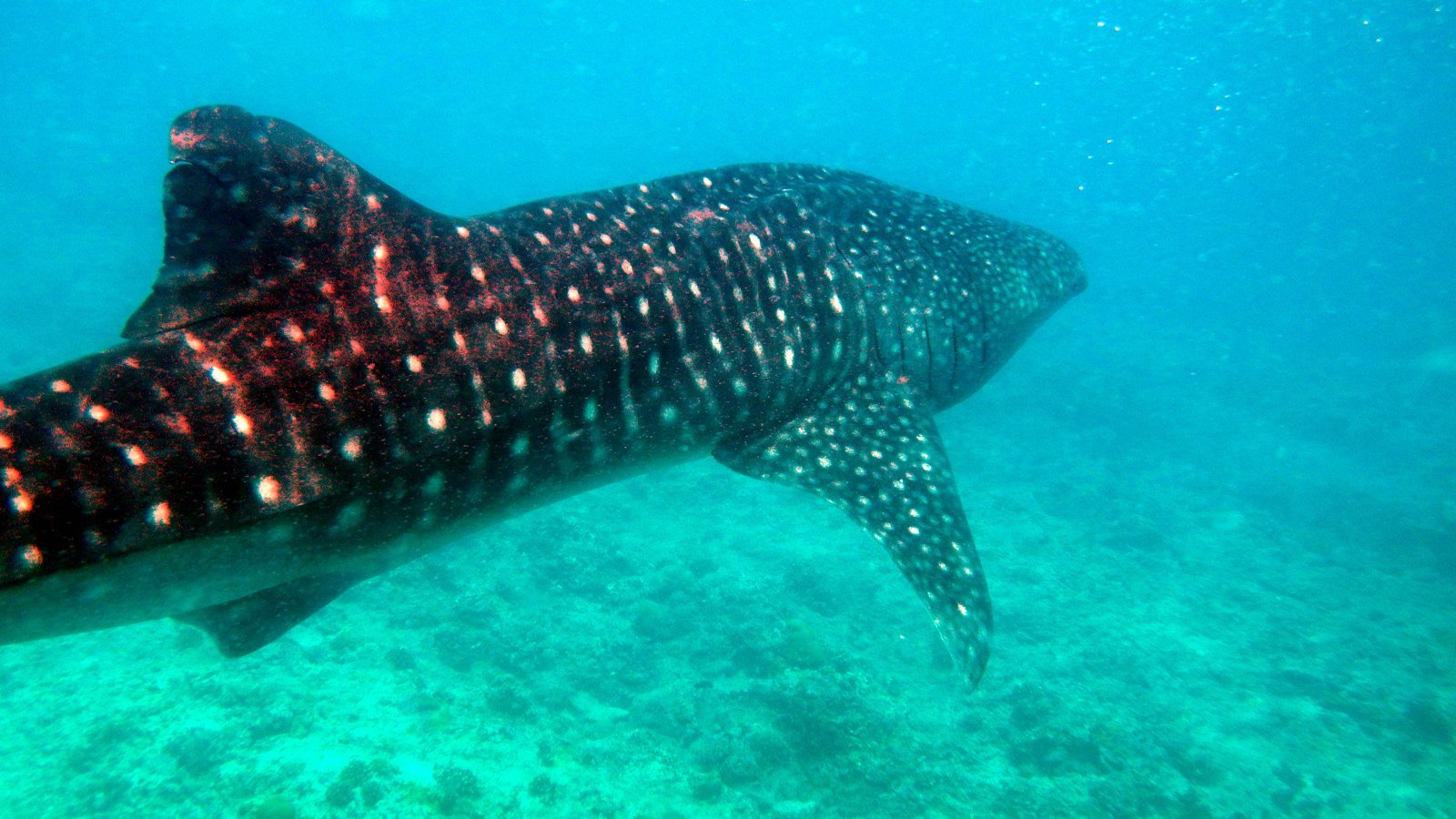
If you swim with a whale shark in South Ari, it is almost certainly a young male. A long-term study of the sharks here found the group was 91 percent male, with juveniles measuring roughly 3 to 8 metres long. The same research calculated that males here reach maturity at around 25 years and may live to about 130. Sharks are rarely seen here again once they grow past about 8 metres, which is roughly when they become adults.
That is why the scientists call South Ari a secondary nursery: a safe staging ground where young males hang around for a few years before heading off into the open ocean as grown-ups. Where the females and the adults go is still one of the big mysteries of the whale shark world. So when you see that spotted giant gliding past you and think it is huge, remember: it is still only a teenager.
The people who know every shark by its spots
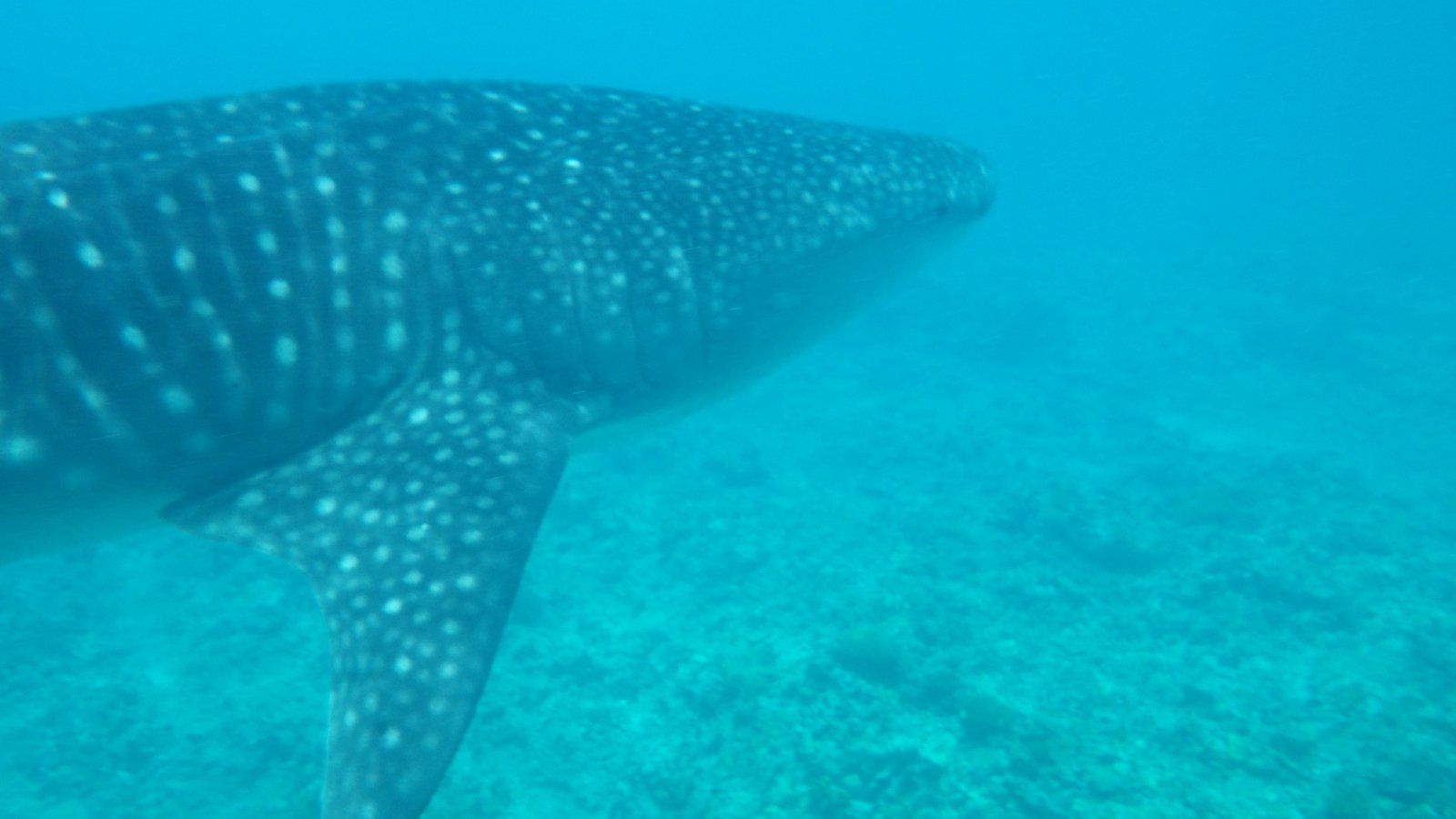
Every whale shark has its own pattern of white spots, as unique as a fingerprint. In 2006 a small research expedition funded by the Royal Geographical Society came to the Maldives to study them, found several dozen sharks and kept coming back. That became the Maldives Whale Shark Research Programme, or MWSRP. By the time they spoke to Visit Maldives in 2022, they had 647 whale sharks in their database, and 301 of them had been seen at least twice. One shark, known as WS071, had been recorded more than 380 times over 14 years.
Some sharks even have names. One the team talks about is Shaiban, WS337, named after their boat captain’s grandson. He has only been seen in South Ari and has been one of the most regularly seen sharks in recent years, but he also carries bad injuries. And that is the sad side of this story. Because these sharks spend so much time near the surface, boats are a real danger. The researchers say a rise in injuries caused by people coincided with a rise in tourism in the area.
The best part is that you can help. If you get a clear photo of a whale shark’s side, especially the spotted patch just behind the gills, you can send it to the MWSRP’s Big Fish Network, and it helps them identify that individual and track its health. Your holiday photo can actually become science.
How big a deal these sharks are for the Maldives
A 2014 study in the journal PeerJ tried to put a number on whale shark tourism in this protected area. It estimated that about 72,000 to 78,000 tourists joined whale shark trips here each year, and that they spent about US$7.6 million in 2012 and US$9.4 million in 2013 on those trips alone. That is close to 3 percent of all the money spent on shark tourism worldwide, from one strip of reef.
Think about that next to the old liver oil trade. The same animal that used to be worth a barrel of boat oil now keeps boat crews, guides, guesthouses and resorts going, as long as it keeps coming back. That is exactly why the rules below matter so much.
Not just whale sharks: who else lives on this reef
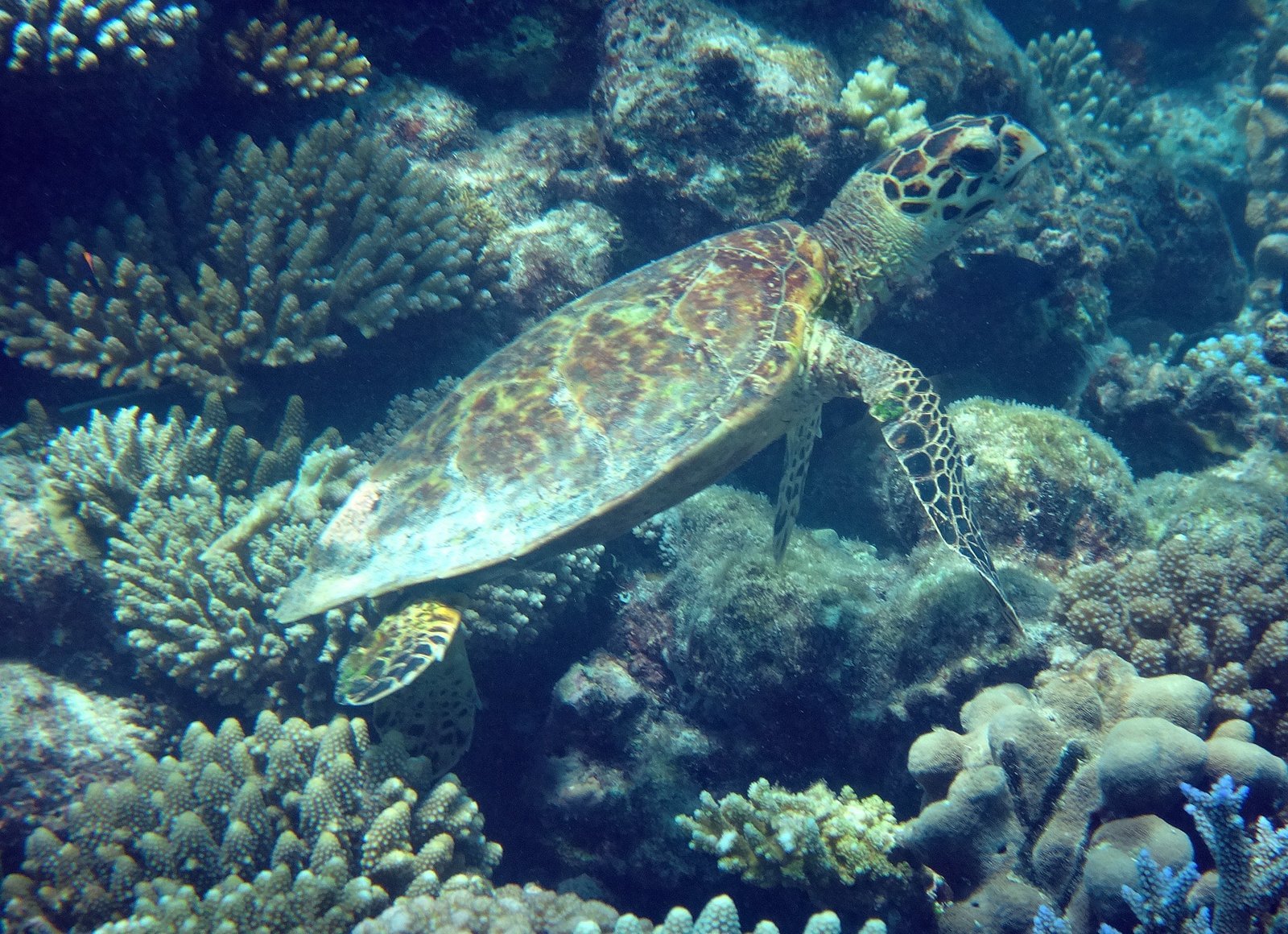
Even on a day when the big fish does not show up, this reef is anything but empty. The Maldives government’s protected areas website describes the area as rich in corals and marine life, with turtles, manta rays and different kinds of sharks. Twelve species of threatened vertebrates have been recorded in the protected area, including the hawksbill turtle, the whitetip reef shark and the chevron butterflyfish.
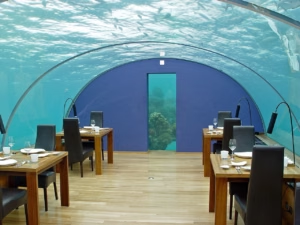
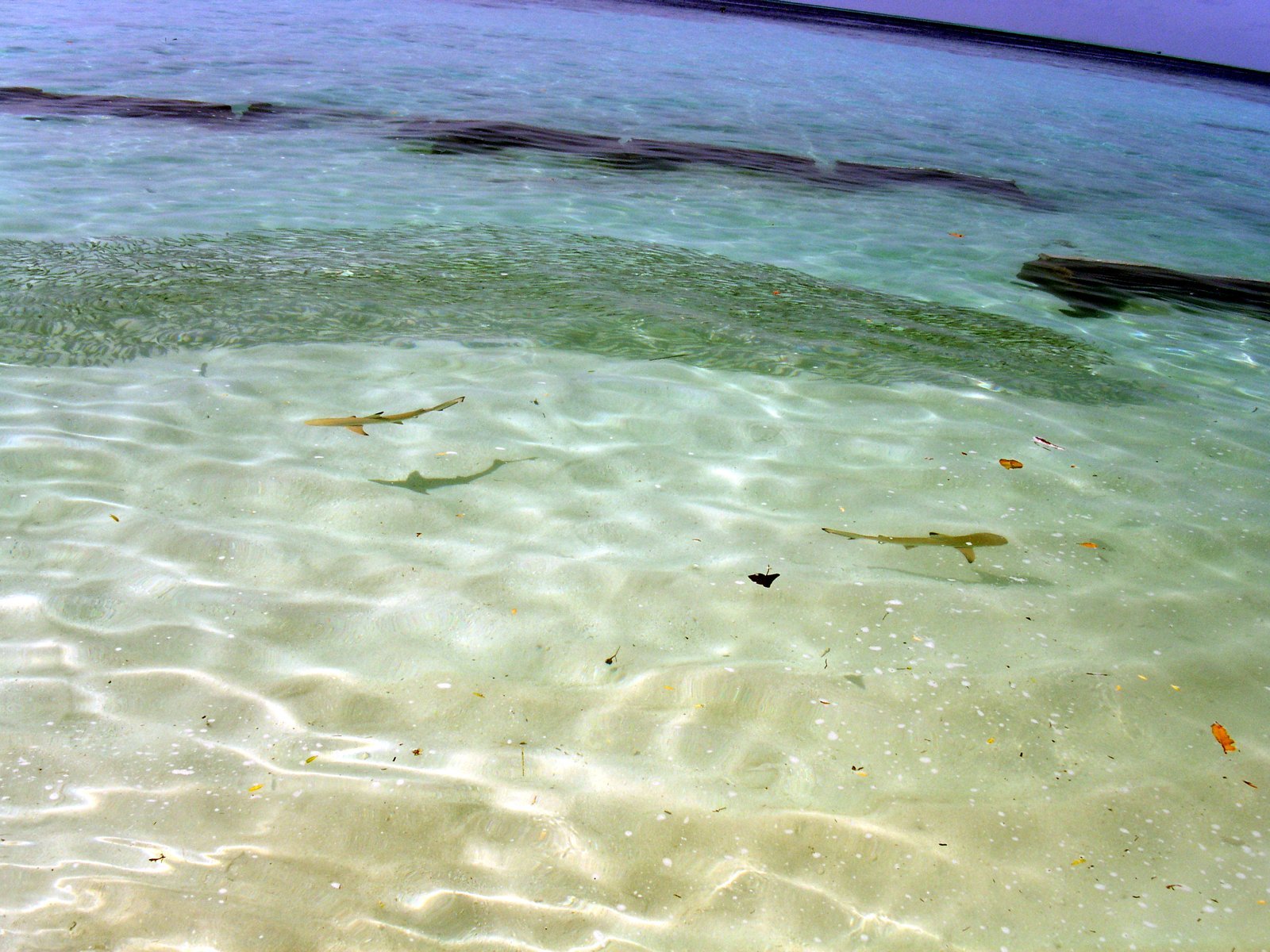
On the shallow sand around the islands, you can often spot small reef sharks cruising in knee-deep water near the shore. They look dramatic in photos but are generally shy and keep away if you leave them alone. Hawksbill turtles graze on the reef, and spinner dolphins are seen in the atoll too. My honest advice: do not make the whale shark the only thing you care about. Look down at the reef as well, and the whole trip feels richer. You can also see this same reef from the table at Ithaa Undersea Restaurant, a glass dining room 5 metres under the sea at the Rangali end of the protected area.
The whale shark rules in the water
This is the most important section in this post, so please read it even if you skip everything else. The Maldives has a whale shark code of conduct, and inside the protected area a management plan in force since 2025 adds extra limits for boats and swimmers. Your guide should brief you before you get in, but here is what you need to know:
- Keep your distance: at least 3 metres from the head and body, and 4 metres from the tail. That tail can knock you hard without the shark even noticing.
- Never touch or ride it: not even a finger. Sharks are not a touchy species, and a touched shark usually just dives and leaves, ending the moment for everyone.
- Never block its path: do not swim in front of the head for that big-mouth selfie. Approach slowly from the side, where it can see you.
- If it is below you, stay back: keep about 20 metres away from above, so the shark can rise to warm up without people crowding over it.
- No flash or lights near its head: whale sharks are sensitive to light, and a flash can startle and disorient them.
- Get in quietly: slide in from a seated position and keep the splashing down. According to the MWSRP, whale sharks have the biggest eardrum in the animal kingdom.
- Do not feed it, and do not use scooters or anything towed behind a boat near it.
Inside the protected area there are also limits on how many people can be in the water around one shark (no more than 60 in total), snorkelling and freediving are allowed only between 6 AM and 6 PM, and swimmers get no more than 15 minutes with a shark if other boats are waiting. Go with a guide registered for the protected area, and if your boat is chasing sharks at speed or letting people grab fins, say something. You are the customer, and your choice of operator is the strongest vote you have.
Best time to see whale sharks in South Ari
The beauty of South Ari is that there is no wrong month for the sharks themselves. Studies here found no seasonal peak, so the sharks can turn up in January or in August. What changes is the weather and the sea. The drier northeast monsoon, roughly December to April, usually brings sunnier days, calmer water and better visibility from the boat, so it is the easiest time to spot a shark from the surface. The wetter southwest monsoon, roughly May to November, brings more wind, cloud and choppy days, and boats can be cancelled when the sea is rough. The researchers also note the sharks shift around within the atoll with the monsoons, which is why local guides who go out every day are worth their weight in gold.
One honest warning: a sighting is never guaranteed. These are wild animals in the open sea, not a show. I would much rather you go in with that mindset and get the thrill of a surprise than go in expecting a sure thing and come back grumpy.
My practical tips before you jump in
- Practise snorkelling first. Whale sharks can cruise faster than they look, and the swim happens in open water, not a calm lagoon. Get comfortable with your mask and fins on a house reef before the big day.
- Wear a life vest if you are not a strong swimmer. Tell your guide honestly. There is no shame in floating with a vest; there is real danger in pretending.
- Cover up instead of over-applying sunscreen. A long-sleeve swim shirt protects your back during long face-down swims, and what is on your skin ends up on the reef, so use a reef-safe sunscreen sparingly.
- Keep your camera simple. A waterproof phone pouch or action camera on video mode works better than fiddling with settings while a shark swims away. And remember, no flash.
- Respect the local islands. If you are staying on a local island in South Ari, like Dhigurah, cover shoulders and knees in the village and keep swimwear for the marked tourist beach.
If you are travelling on a budget, my guide to Maafushi and the Maldives local islands shows how a guesthouse stay on an inhabited island still gets you this kind of water.
FAQ
- Can you see whale sharks in the Maldives all year?
Yes. The South Ari Marine Protected Area is one of the few places in the world where whale sharks are seen in every month, and studies have found no seasonal peak there. Calmer seas from about December to April simply make spotting easier.
- Are whale sharks dangerous to swim with?
No. Whale sharks are filter feeders that eat plankton and small fish, and they are not interested in people. The real risks are the tail, the boats and tiring yourself out in open water, which is why distance rules and a good guide matter.
- Why are most South Ari whale sharks male?
Research found 91 percent of the sharks studied here were young males of roughly 3 to 8 metres. Scientists think South Ari works as a secondary nursery where juvenile males stay for a few years before moving into the open ocean.
- Can I touch a whale shark?
Never. Touching or riding a whale shark is prohibited in the Maldives. Keep at least 3 metres from the head and body and 4 metres from the tail, and do not use flash.
- Do I need to be a diver to see whale sharks in South Ari?
No. Because the South Ari whale sharks often cruise near the surface, most encounters happen while snorkelling. You do need to be comfortable swimming in open water, or use a life vest.
Final Thoughts
South Ari is not famous because it is pretty, although it is. It is famous because a group of young whale sharks decided this reef edge, with its deep blue drop just outside, is home for a few years of their lives, and because the Maldives decided they were worth more alive than in an oil barrel. If you go, go gently: keep your distance, skip the flash, pick a good guide and send your photos to the researchers. Would you be brave enough to stay calm when that spotted giant comes out of the blue? Tell me in the comments. And if you are still dreaming, read my top 10 places to visit in the Maldives, my top 10 places to visit in Japan or, for a romantic trip closer to home, my Udaipur for couples plan.
If the South Ari whale sharks have you dreaming of the Maldives, I have already done the planning in my 5-day Maldives honeymoon itinerary, built around an overwater villa, Ithaa undersea dining and the South Ari reef. You can just use it for the days you have, book from its links and go, with no planning worries. If you want a custom version for your own dates, CLICK HERE to start on the trip form.
I plan the route. I don’t book the ferry, the stay, or the tickets. A custom plan is Rs. 200 per travel day. Fill the trip form, pay online, and I’ll send you the plan.